I’m totally willing to admit, at the outset, the possibility that any of my favorite 10 below may decline in estimation over time.



Kenji Fujishima is a film and theater critic, general arts enthusiast, and constant seeker of the sublime. His writing has also appeared in TheaterMania and In Review Online.
I’m totally willing to admit, at the outset, the possibility that any of my favorite 10 below may decline in estimation over time.

Planet of Snail is something of a love story, though Yi Seung-jun never forces this angle onto the material.

The testosterone level is especially high during the early, purposefully more conventional stages of Predator.

Nira’s vocation as a documentary filmmaker is also significant, both subtly and overtly.
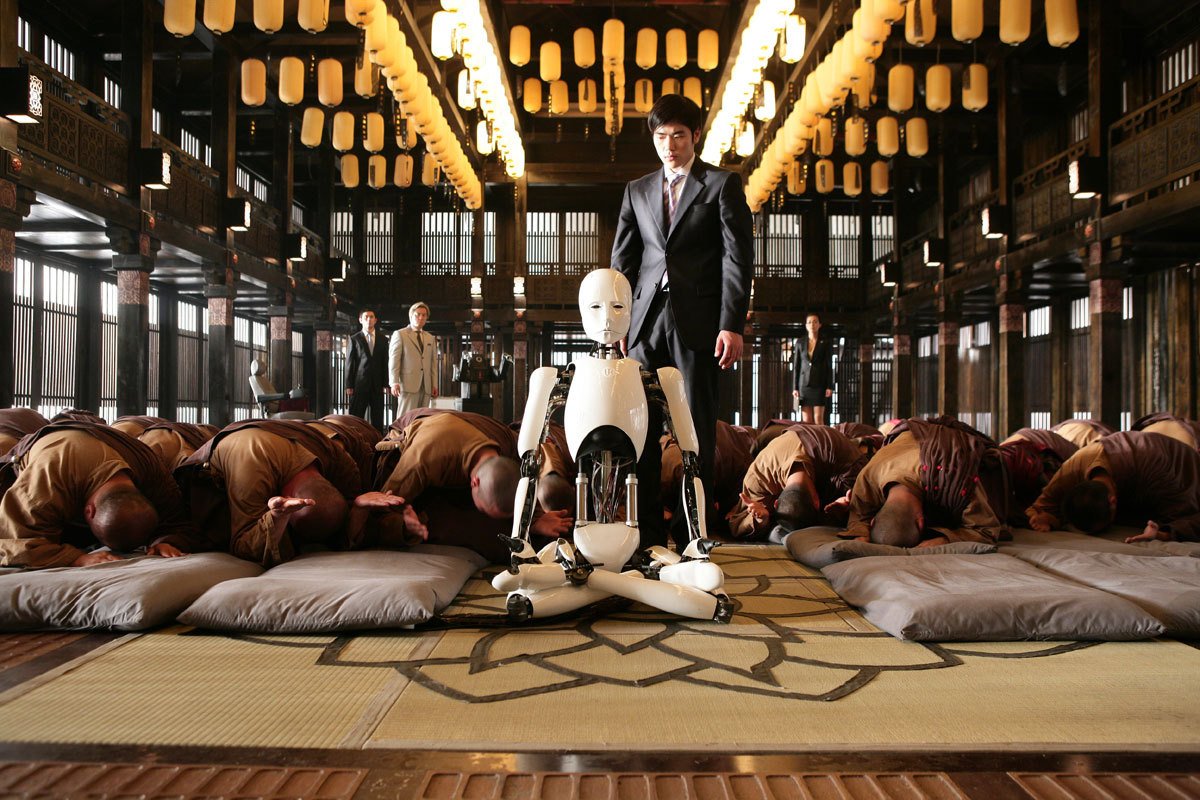
The New York Asian Film Festival has emerged as quite possibly the most sheer fun of all the major New York film festivals.

The real auteur of Ai Weiwei: Never Sorry turns out to be the subject himself.

Over many decades of artistic creation, Abramović has consistently challenged not only her own mind and body, but the audience observing her.

Richard’s Wedding ends up seeming little more than an 89-minute hatefest.

Joe Berlinger’s Under African Skies is a positive breather after the heaviness of Paradise Lost 3: Purgatory.

Grant Gee’s film, among its many achievements, offers valuable context for a more in-depth appreciation of the book.

The film’s dramatization of Paul’s psychological “rubberneck” doesn’t just lie in literal details.

Ian Fitzgibbon’s film sidesteps most of the potential pitfalls of sentimentality inherent in its premise.

One of Yossi’s virtues is Eytan Fox’s refusal to boil his main character down to an easy psychological framework.

Postcards from the Zoo could be seen as Exhibit A in the dangers of letting a terminally whimsical sensibility run rampant on a screen.
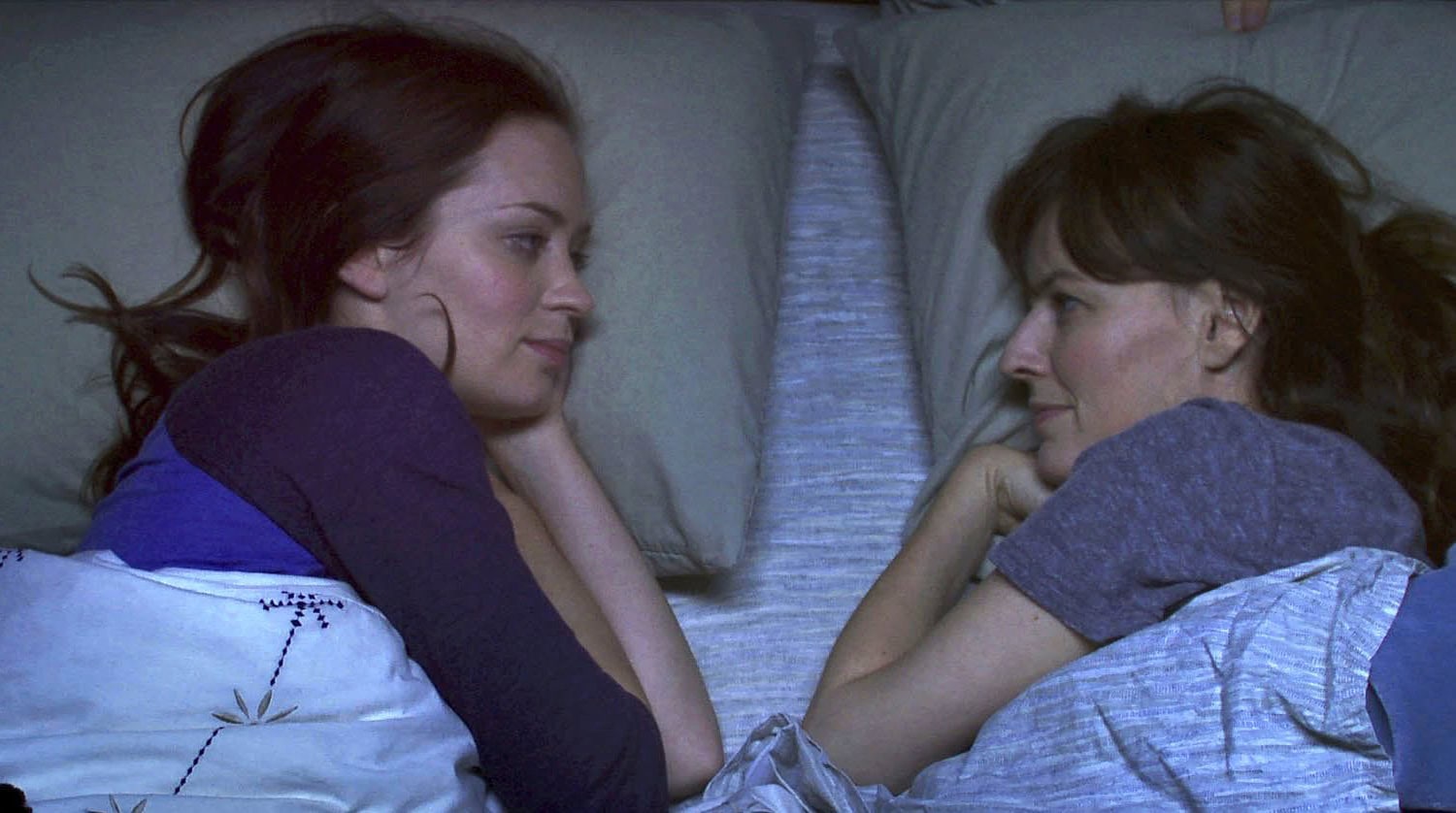
For long stretches in its first two acts, the film is distinguished by a disarming sense of freedom and spontaneity.

Twilight Portrait, as infuriating as it sometimes is in the moment, is ultimately haunting in its ambiguities.

Generation P offers the same pessimistic depiction of Russian life as recent films from the country.

An air of resignation hangs prominently over Goodbye.

Under African Skies is a positive breather after the heaviness of Paradise Lost 3: Purgatory.

Writers are often told that, when it comes to the act of artistic creation, one should “write what you know.”