Anglophiles should prepare themselves for death-by-1080p-orgasm.



Joseph Jon Lanthier is the director of What Should I Put in My Coffee? His writing has also appeared in Bright Lights Film Journal.
Anglophiles should prepare themselves for death-by-1080p-orgasm.

We ultimately feel a sickeningly spongey understanding for every face to which the camera turns.

The film sludges an adaptive path through the eerily obviative, albeit technically first-person, text of Paul Bowles by the same name.
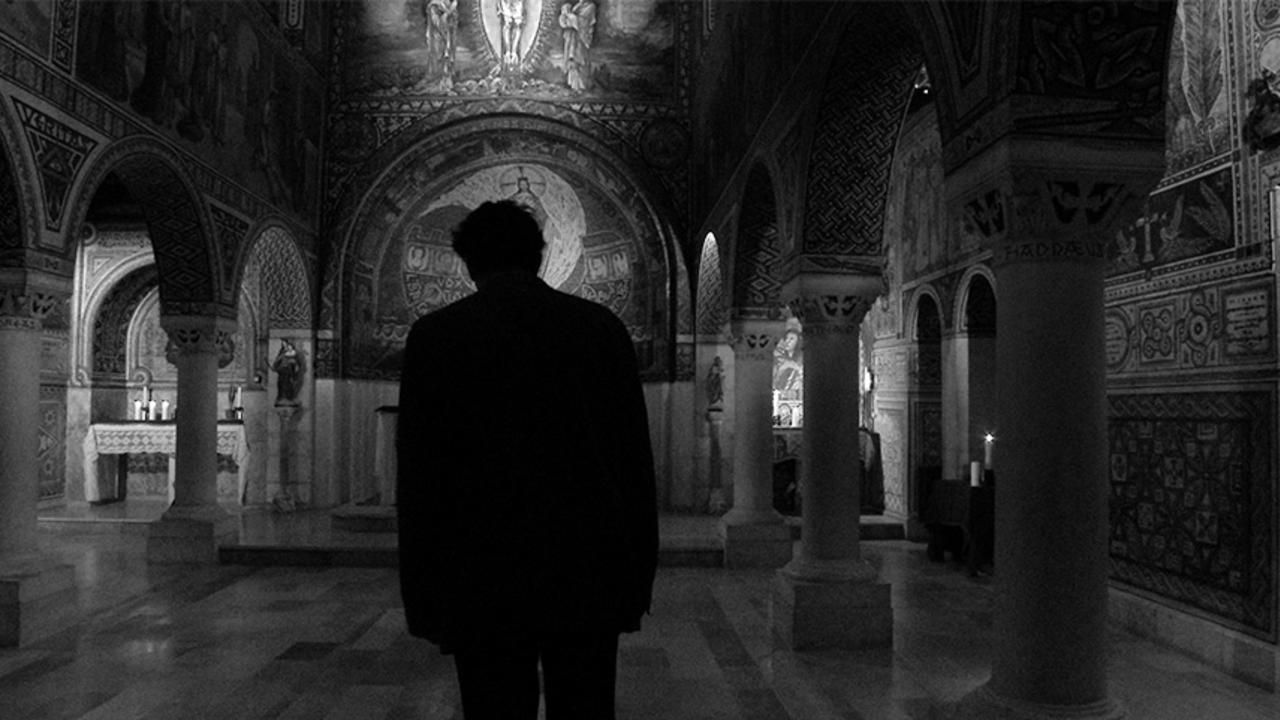
Nina Menkes’s camera is at its most effective when it, too, seems dumbfounded at what it’s indexing.

The premise of this brief portrait sketch is as modest as the standard-definition, full-frame format in which it was photographed.
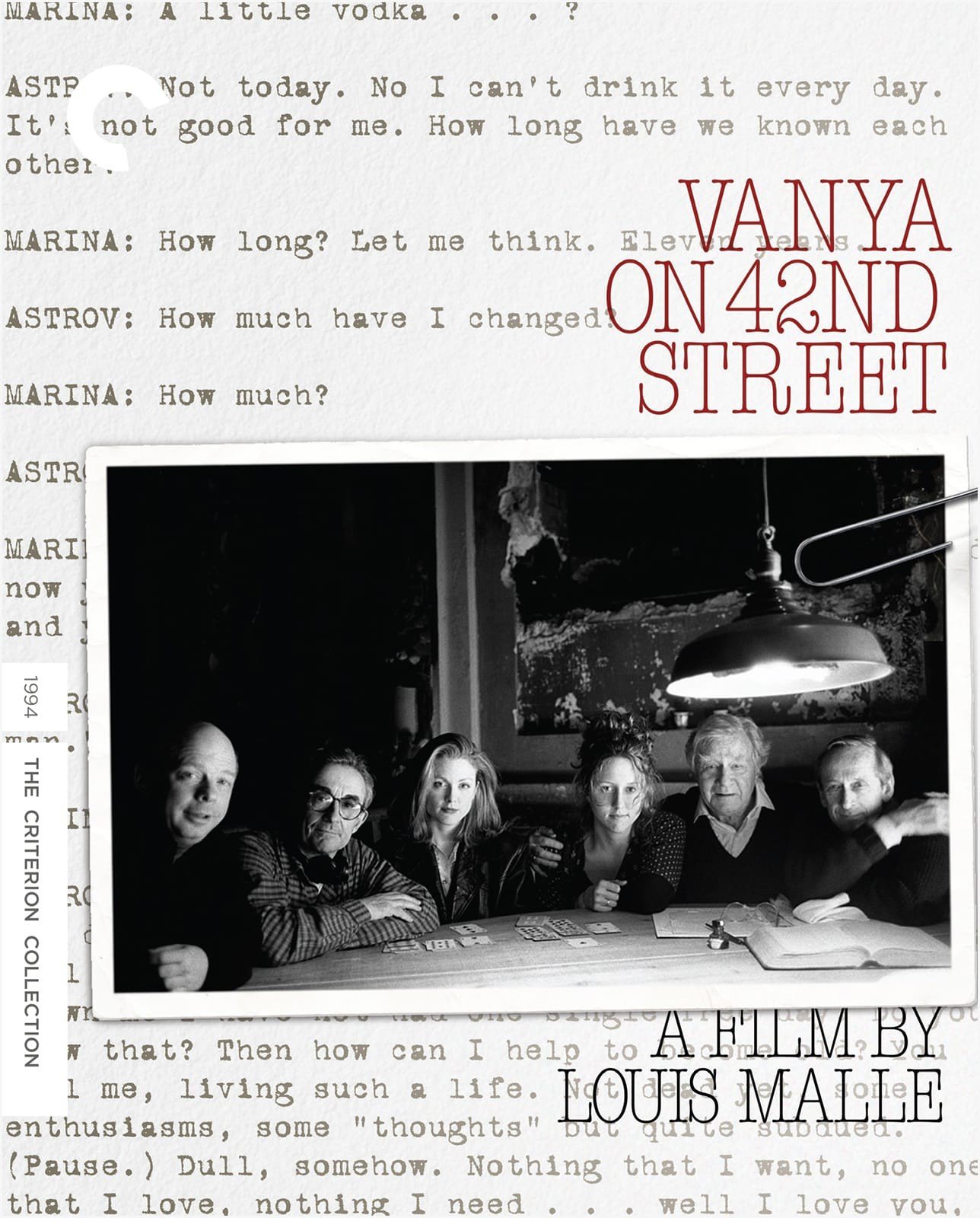
The agitated emotions of Chekhov’s personages become veritable landscapes in the hands of André Gregory’s assembly.
How to Start a Revolution lacks the narrative forensics required to help interested viewers take steps into the looking glass of uprising it portrays.

We spoke to him about his upcoming solo shows, the painstaking metaphysics of songwriting, and how three year olds occasionally come up with the best titles.

The organic and the man-made are readily connected in Andrea Callard’s work as viable distractions—from anything, including one another.

We caught up with Bromberg to discuss what it’s like playing for drugged-up audiences and how the profession of being a touring musician brings out masculine angst like no other.

The end result is that Meredith, New York’s feuding becomes just as inaccessible as the windmills that incite it.

Rather than observing pride amid declining fortunes, we’re witnesses to a surprisingly monotone 80 minutes of thumping unease.
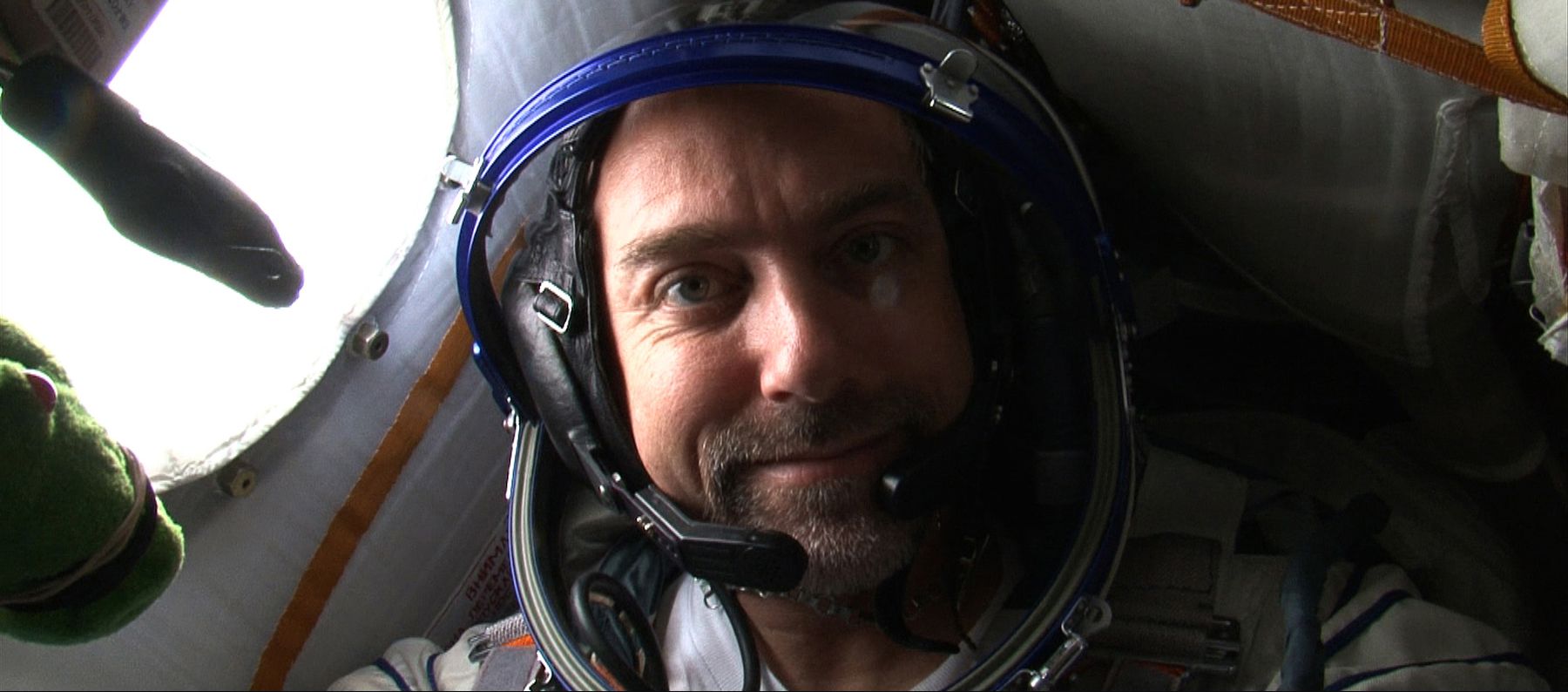
Oh, the things that money can buy.
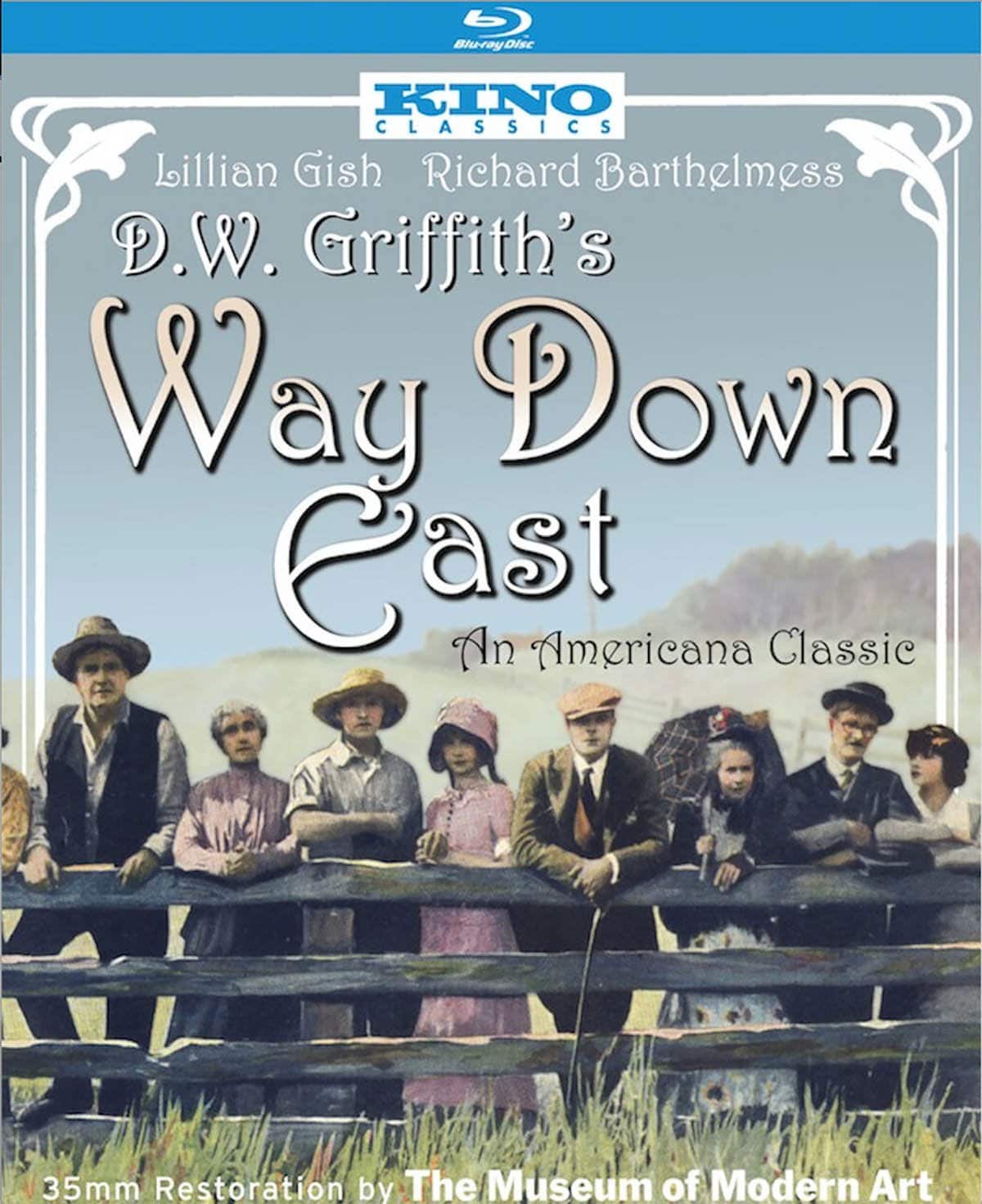
As my girlfriend pointed out, it’s all about the last 40 minutes. But what 40 minutes!
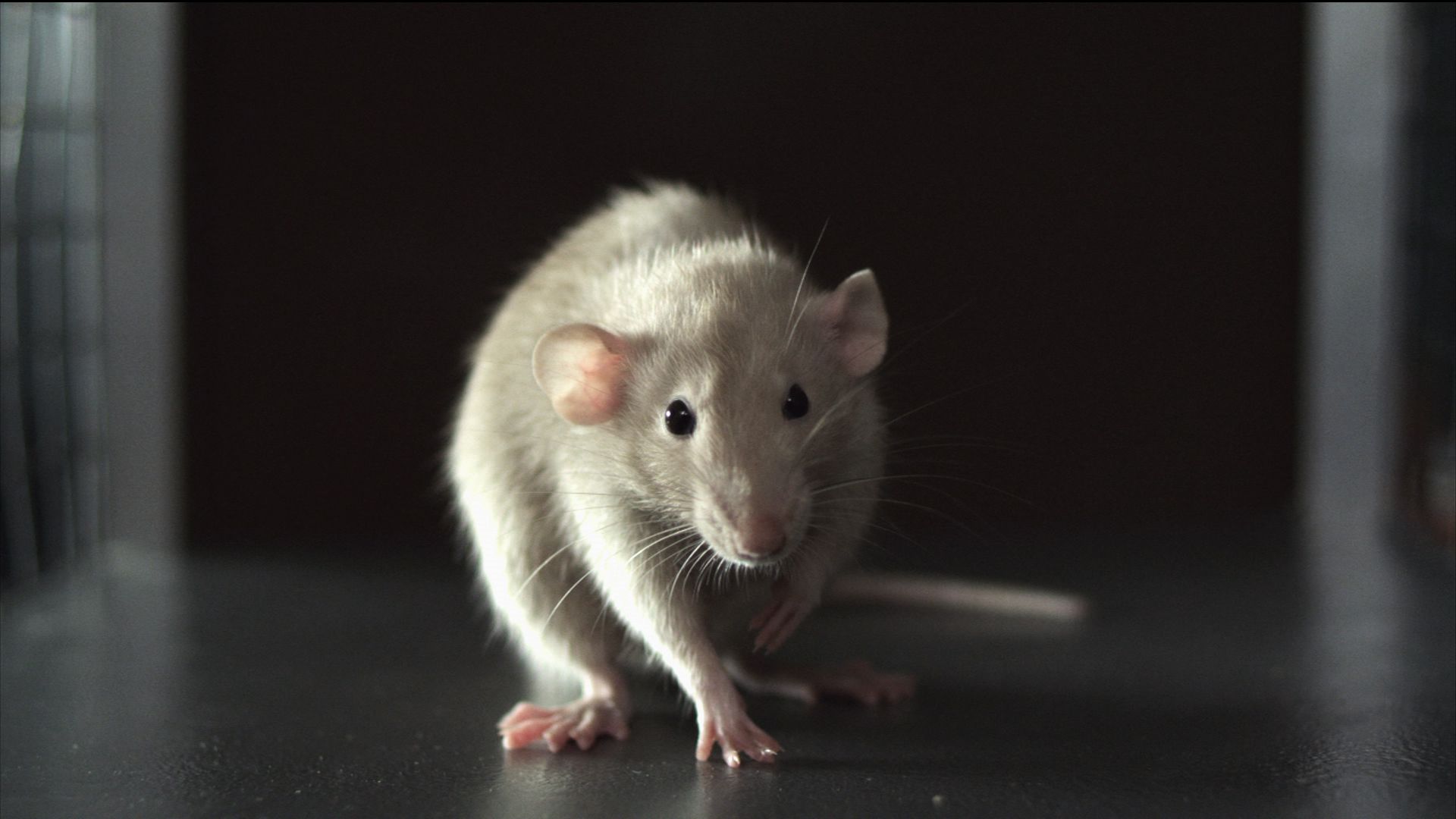
After the film tethers its narrative to the class action suit against Big Five Tobacco, it can’t help but totter into anti-climax.

Magic to Win tries to interpolate more souped-up fantasy clichés than it can manage by slight of cinematic hand.
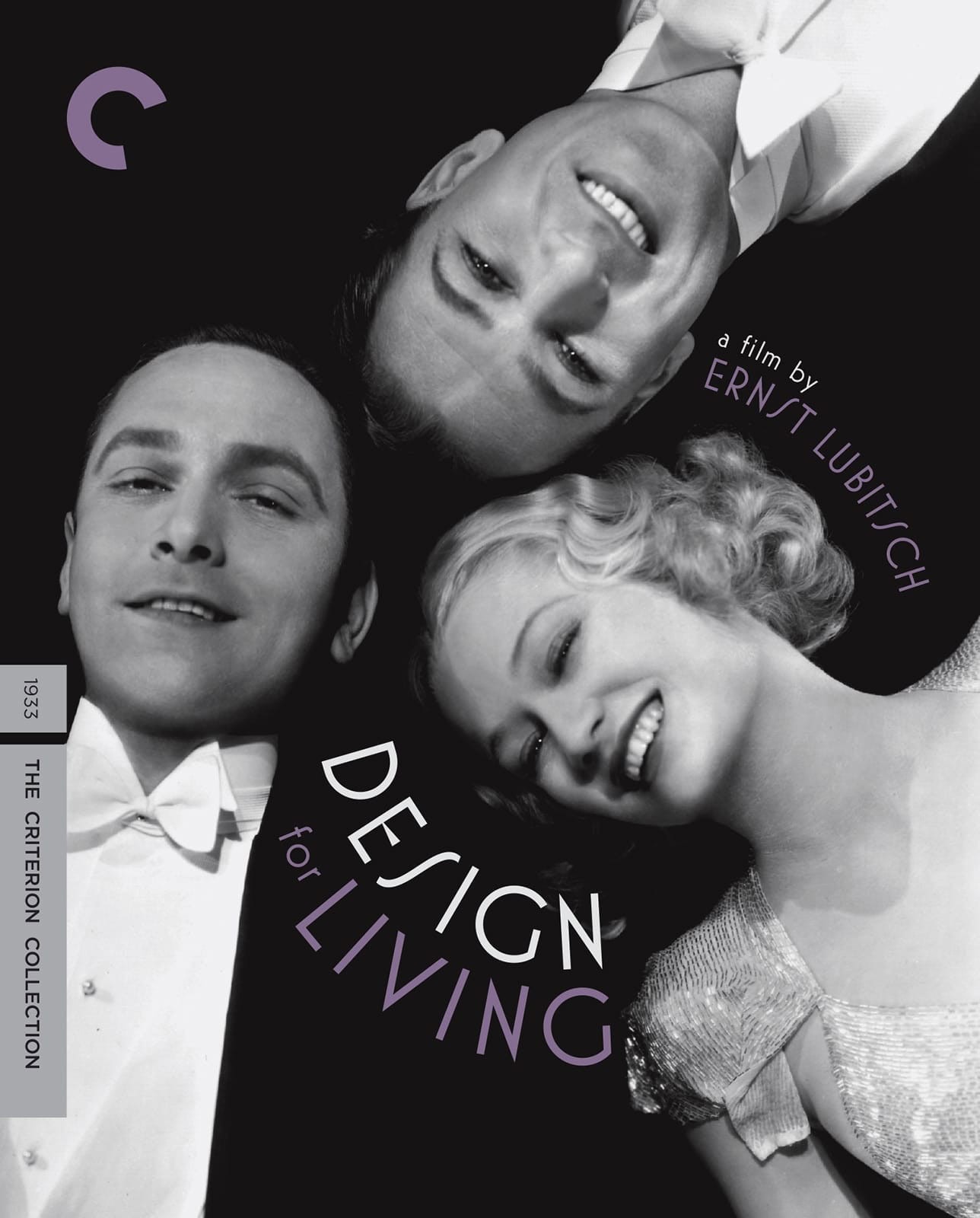
Design for Living is sexy in ways we’re still trying to, ahem, wrap ourselves around.
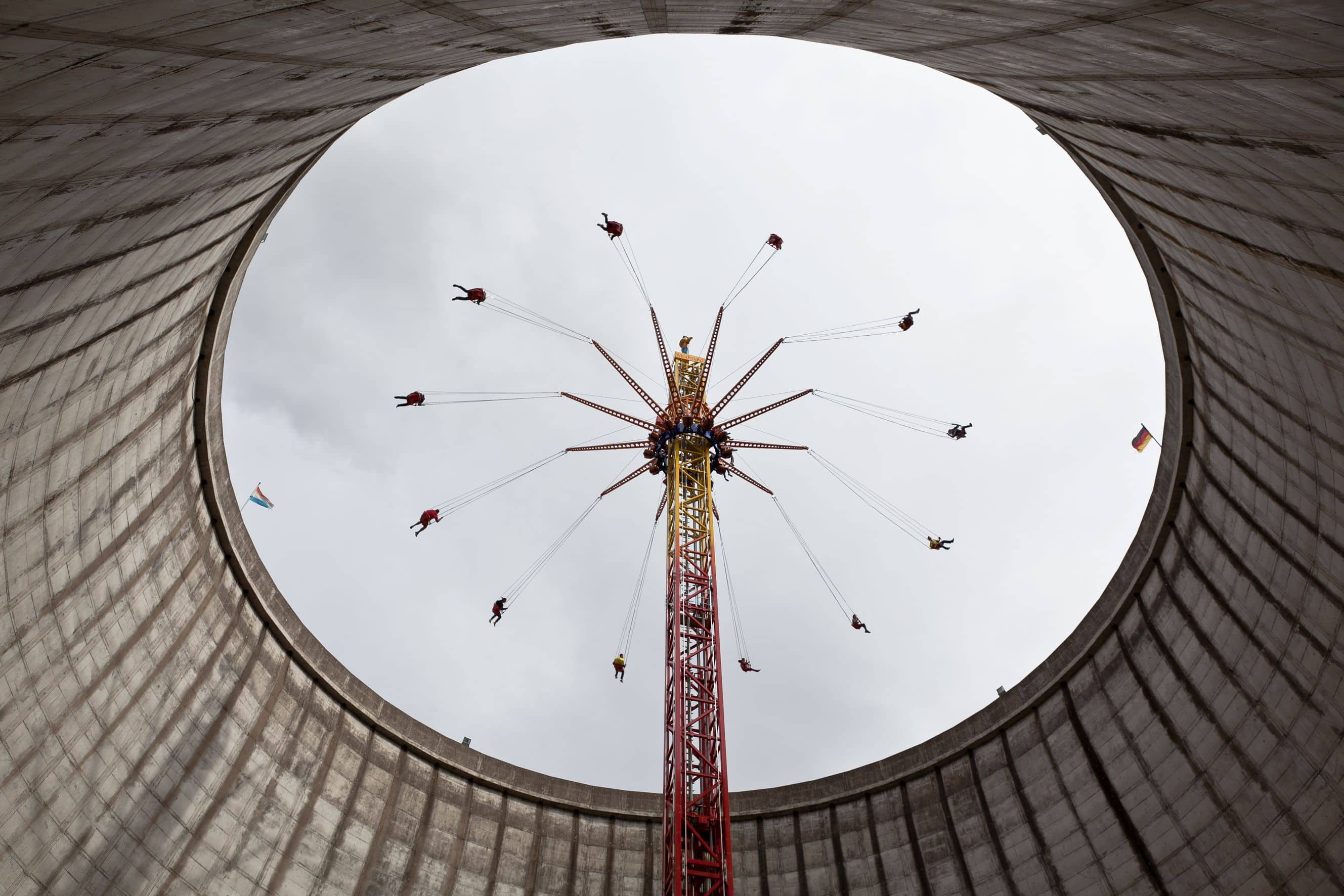
There are images here that seem culled from some obsolete collective nervousness.

One of the most fascinating and entertaining asides in British cinema, Sabu is just meta-colonial enough to maintain relevance.
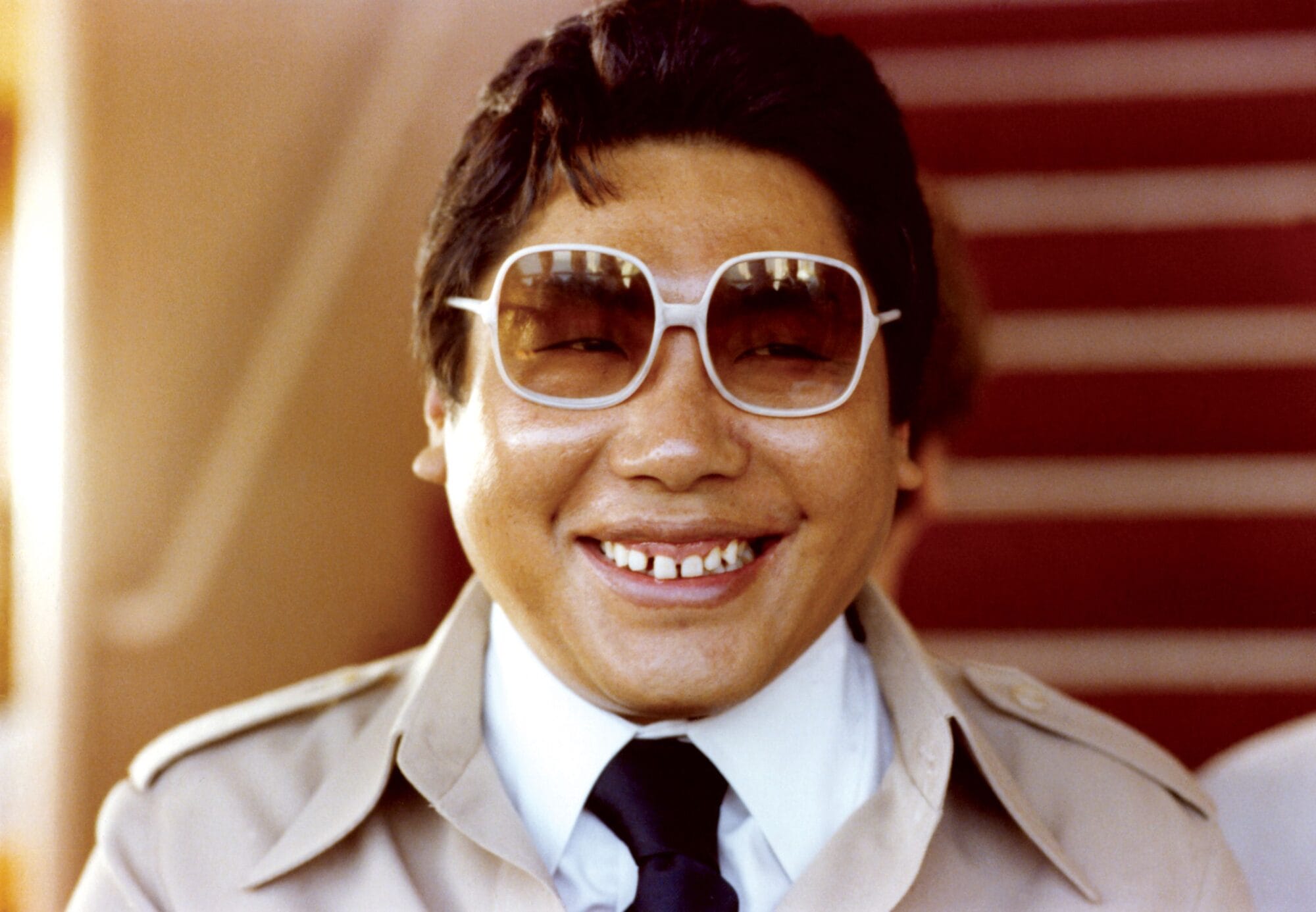
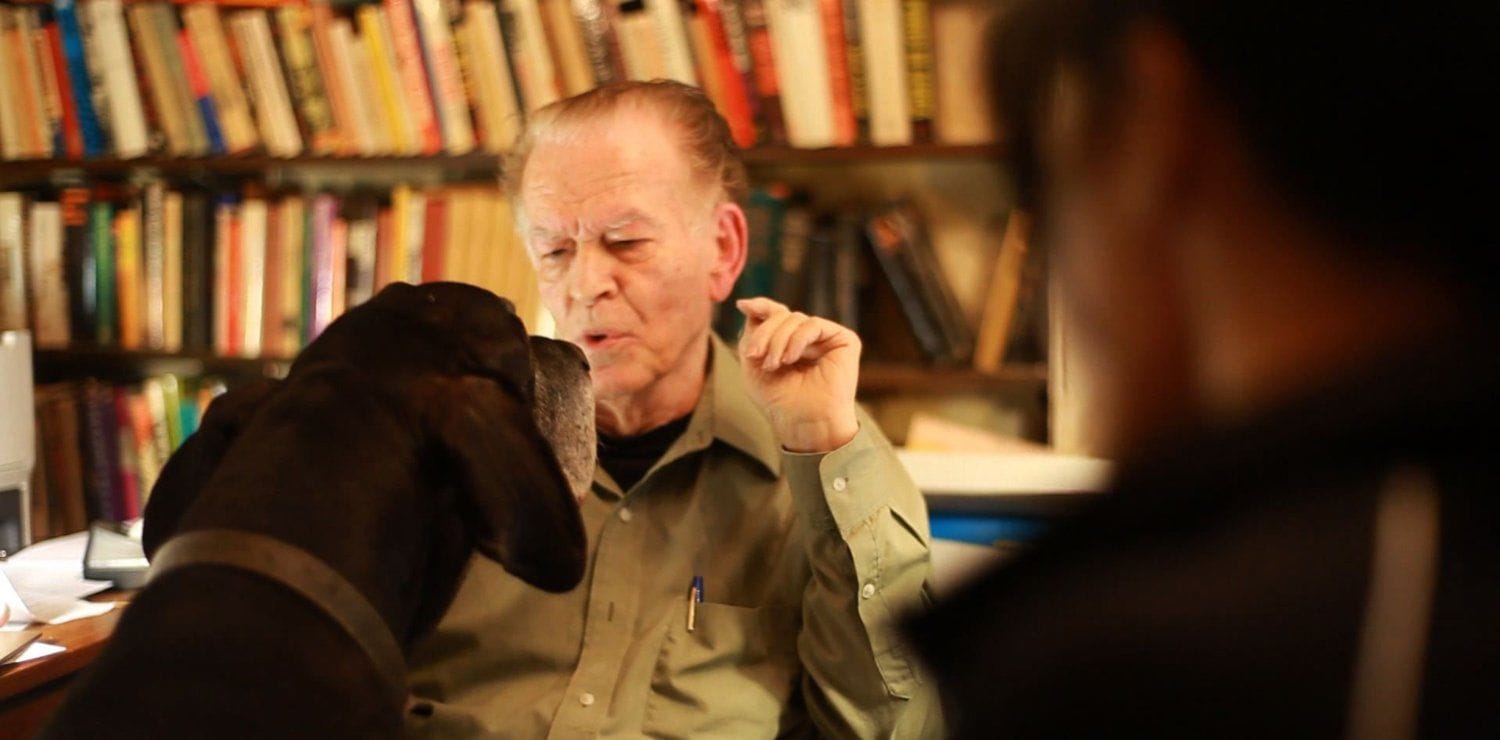
Crazy Wisdom maintains an odd distance from its problematic subject.