Tragically, nothing in the film redeems the emptiness of Sean Durkin’s dueling-narrative gimmick.



Jaime N. Christley's writing has also appeared in the Village Voice.
Tragically, nothing in the film redeems the emptiness of Sean Durkin’s dueling-narrative gimmick.

Only the star performances in My Week with Marilyn, cartoonish as they are, make seeing the film worth the effort.

Blame it on the idiot box.
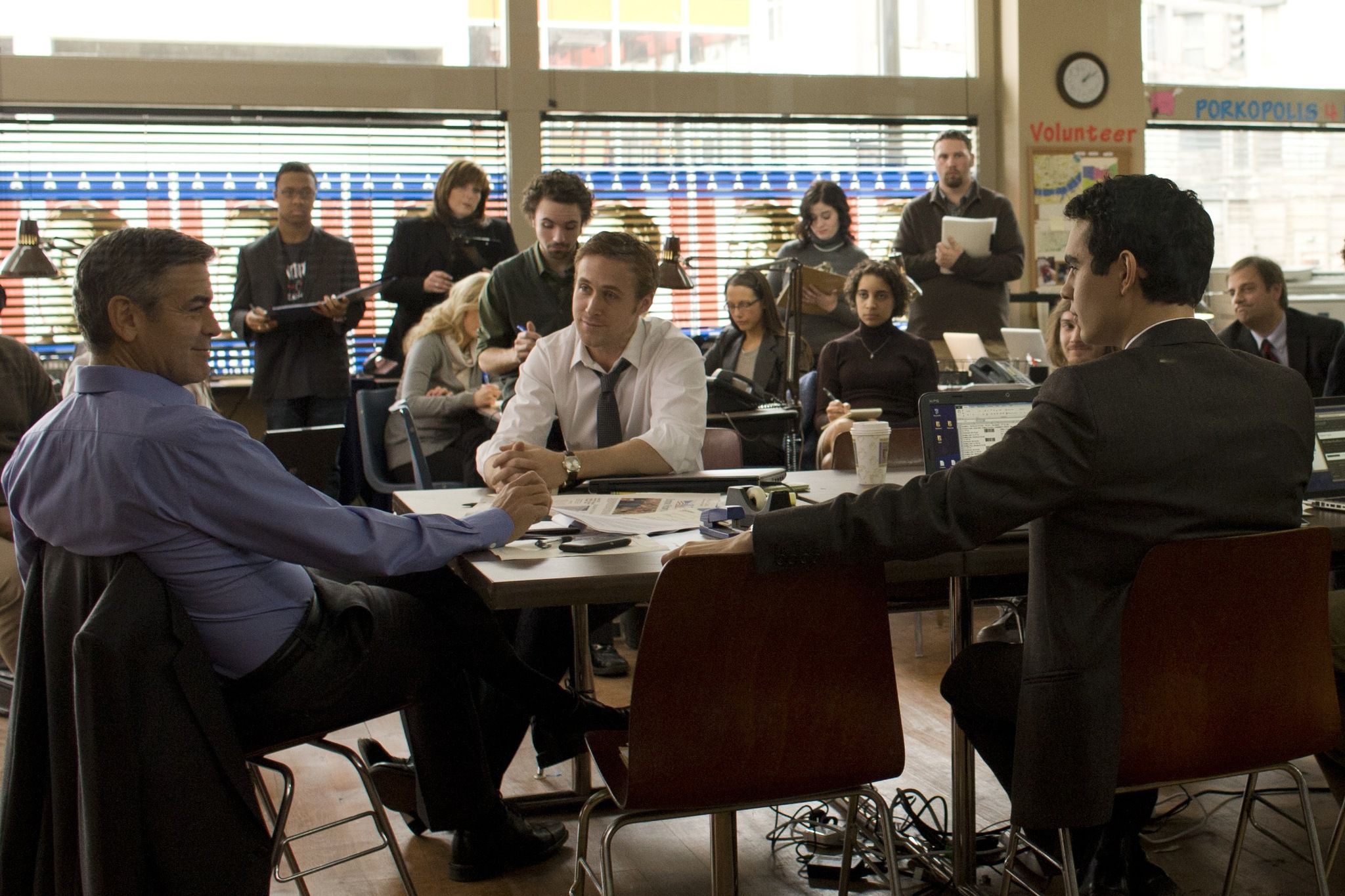
This must be the year that Ryan Gosling teaches lessons in character to bright young men everywhere.
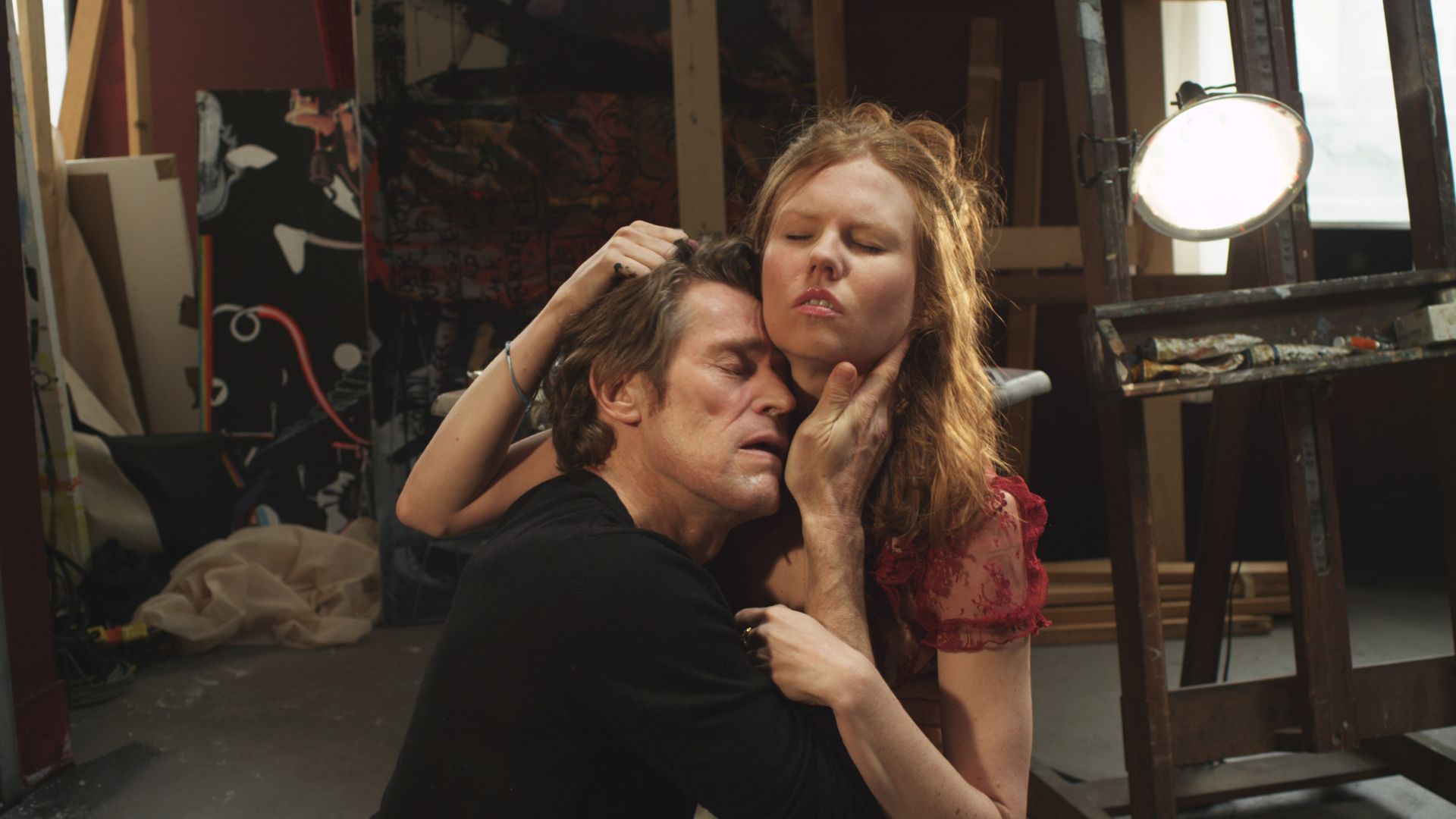
It’s only natural that Abel Ferrara’s vision of the end of the world should take corporeal form as a quasi-autobiographical hangout movie.

The film’s intertwining stories develop without seeming to be prompted by an overdrawn, schematic parallel between them.

That Guy Maddin’s “nostalgia style” calls to mind films of yesteryear is only half the story.

Unwisely, Rod Lurie short-changes the original’s moral ambiguity, stripping away all of the nuance and complexity.

What you want to know about Drive is that its three big, action set pieces are impressive and exciting.

The film sees Jean-Luc Godard meditating on the mercurial nature of his own preoccupations.
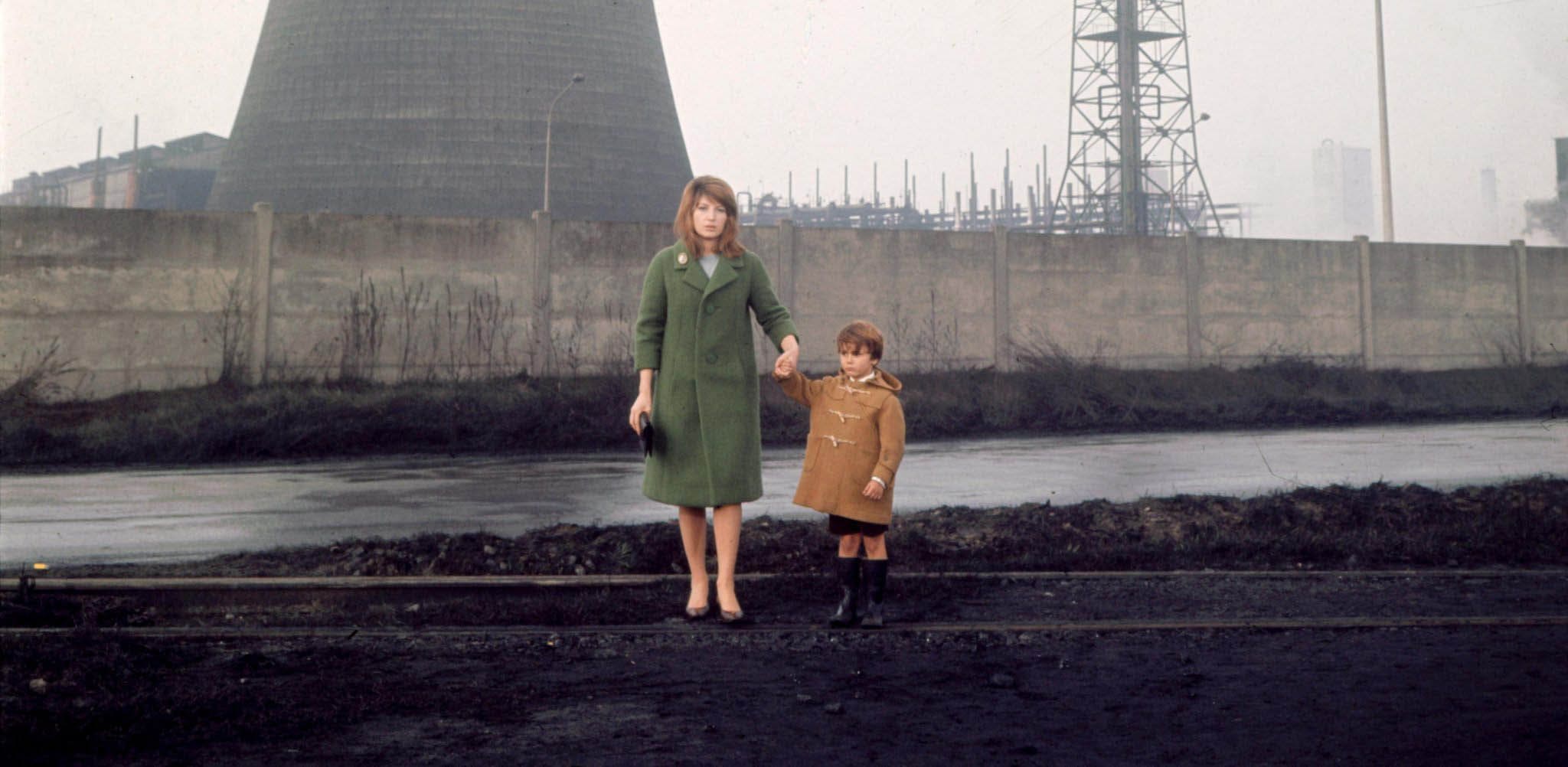
The film is a distillation of Antonioni’s preferred themes and imagery: alienation, anxiety, modern life, and industrialized landscapes.

The film feels unexpectedly low-rent, even with its multimillion-dollar backdrops and earsplitting, rumbling soundtrack.

If this film is any indication, Renny Harlin is looking to hoist himself up from the bottom of the barrel using the Blood Diamond template.

It can be tricky to describe what distinguishes Louis C.K. from other stand-ups, even from those who specialize in observational, storytelling, confessional comedy.

Doggedly determined to capture the midnight-madness audience, the gorehounds, and the fanatics of extreme cult cinema.

It distinguishes itself from its genre compatriots by prizing theme and place over referentiality and hip, out-of-the-box grindhouse-ness.

Éric Rohmer uses a country-mouse-and-city-mouse template to explore morality, aesthetic sense, urban and rural savvy, and more.

Sin! Booty-shaking! Sexy lingerie! Gambling! Home-wrecking dames! Gents who won’t take no for an answer!

David Yates finds limitless opportunity to depict smallness and stillness in chaos and hubbub.
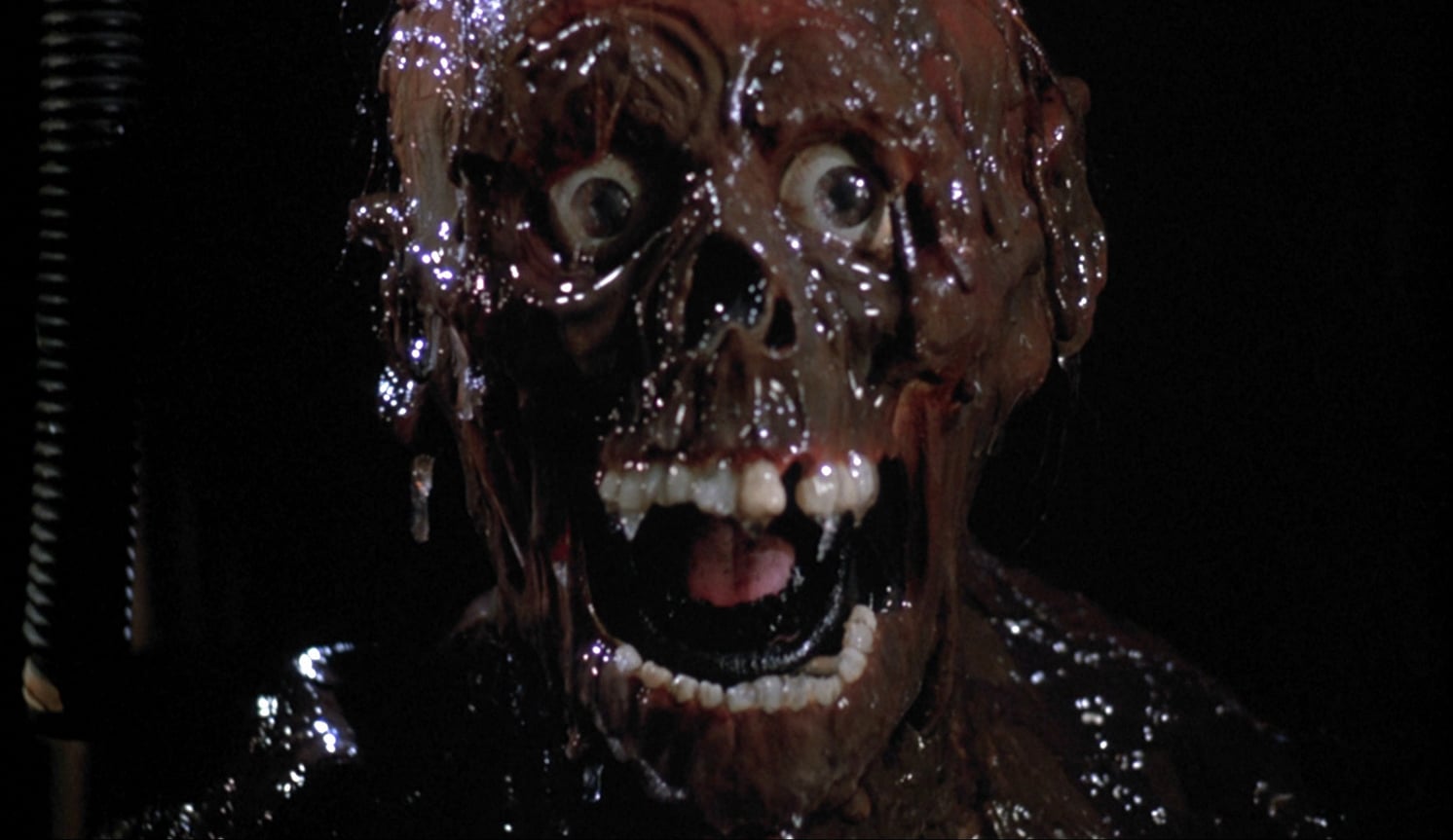
In interviews, a tone of amused cynicism always quietly undercuts the delivery of a veteran industry creative who’s mastered his innate awkwardness to become a natural extemporizer.