It would appear that every artsy, indie filmmaker secretly wants to make a pothead comedy.



Fernando F. Croce is a San Francisco-based film writer whose work has been published in Film Comment, Reverse Shot, MUBI, and Fandor. He runs the website CinePassion.
It would appear that every artsy, indie filmmaker secretly wants to make a pothead comedy.

Bahman Ghobadi’s portraits of Kurdish wanderers are particularly expressive of Iranian cinema’s sense of hope within instability.

Juno has a fumbling start and an affecting delivery.
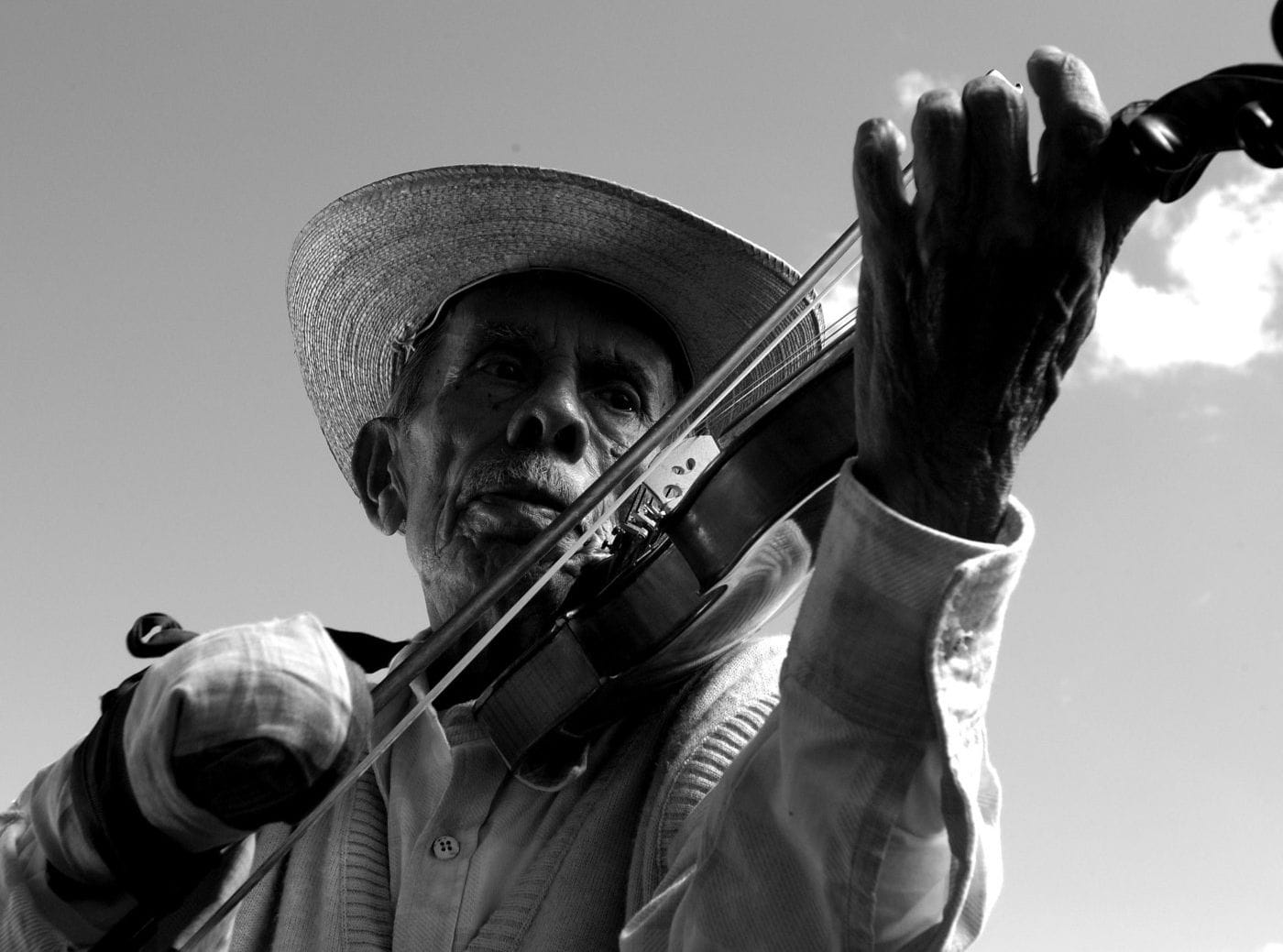
Humanity gets a fairer shake in The Violin than in Bruno Dumont’s Flanders.

Country, heal thyself: Kurosawa’s feverish early gem is worth catching.
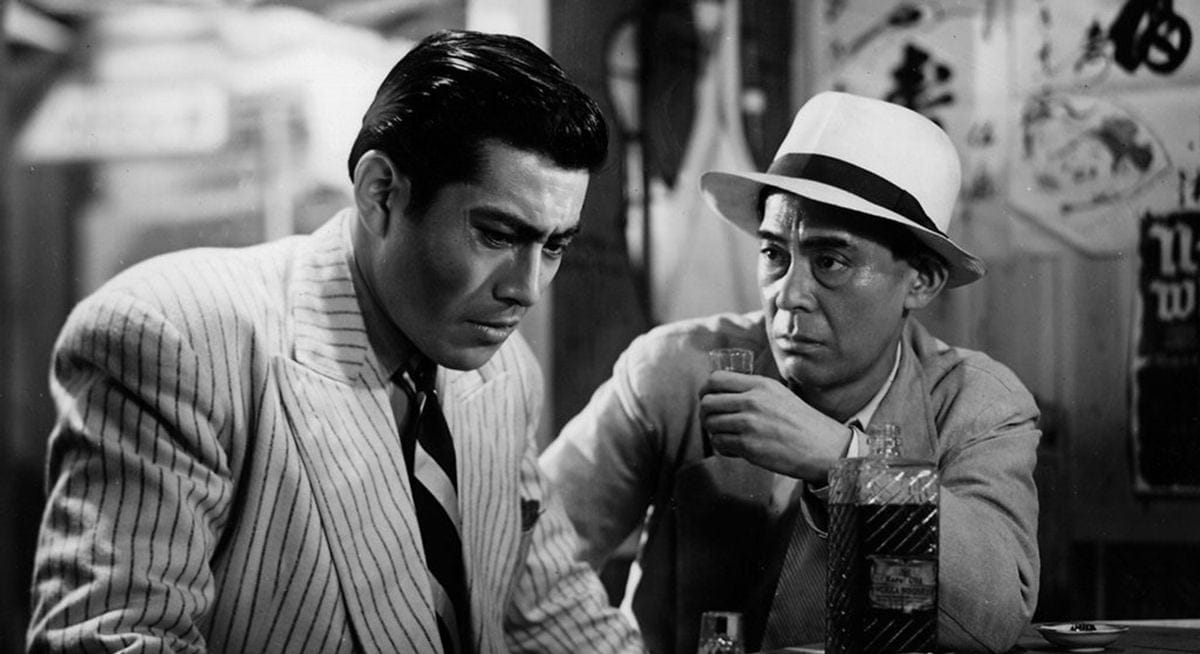
Kurosawa Akira often referred to Drunken Angel as the movie in which the Japanese director finally found his style.
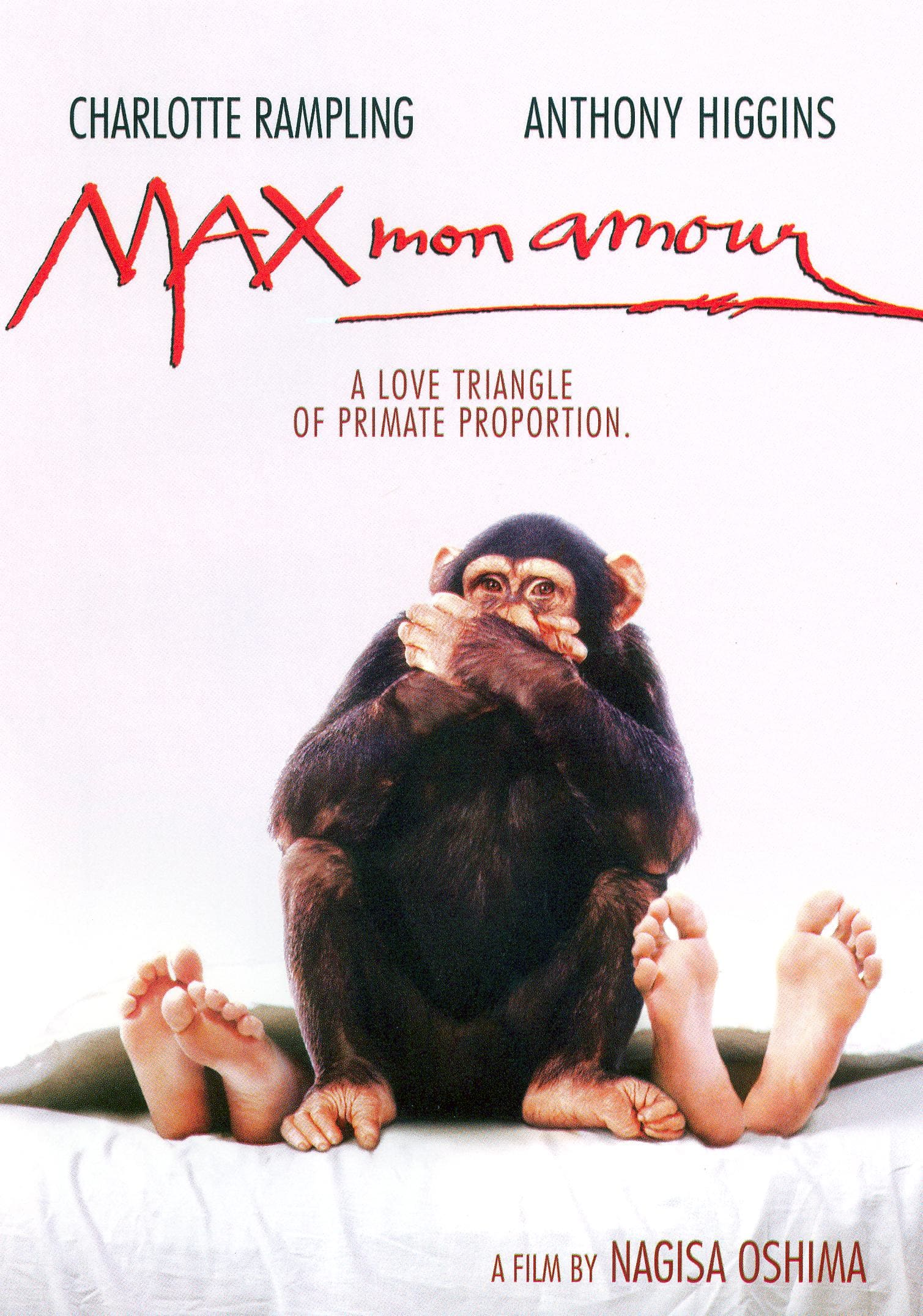
An intriguing curio that would have played better as a condensed sketch in Luis Buñuel’s Phantom of Liberty.
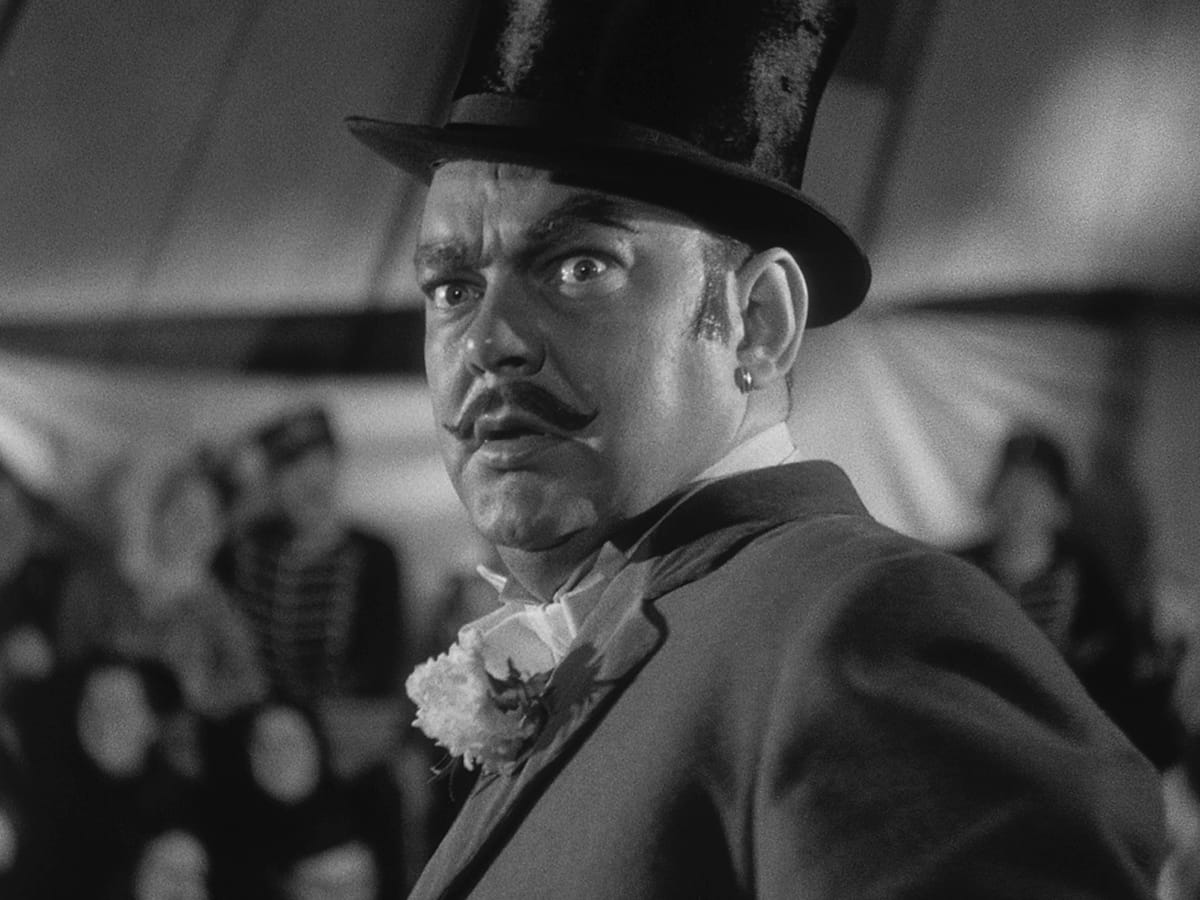
The film is a fierce example of souls made brutally bare by Ingmar Bergman’s scrutiny under the big top of life.

A wry mix of King Kong and My Man Godfrey, it’s a potent premise that somehow never catches fire.

The tears of a clown sting twice as much when shot by Ingmar Bergman.

Like Clarence the angel, this mostly recycled collector’s set lacks wings.
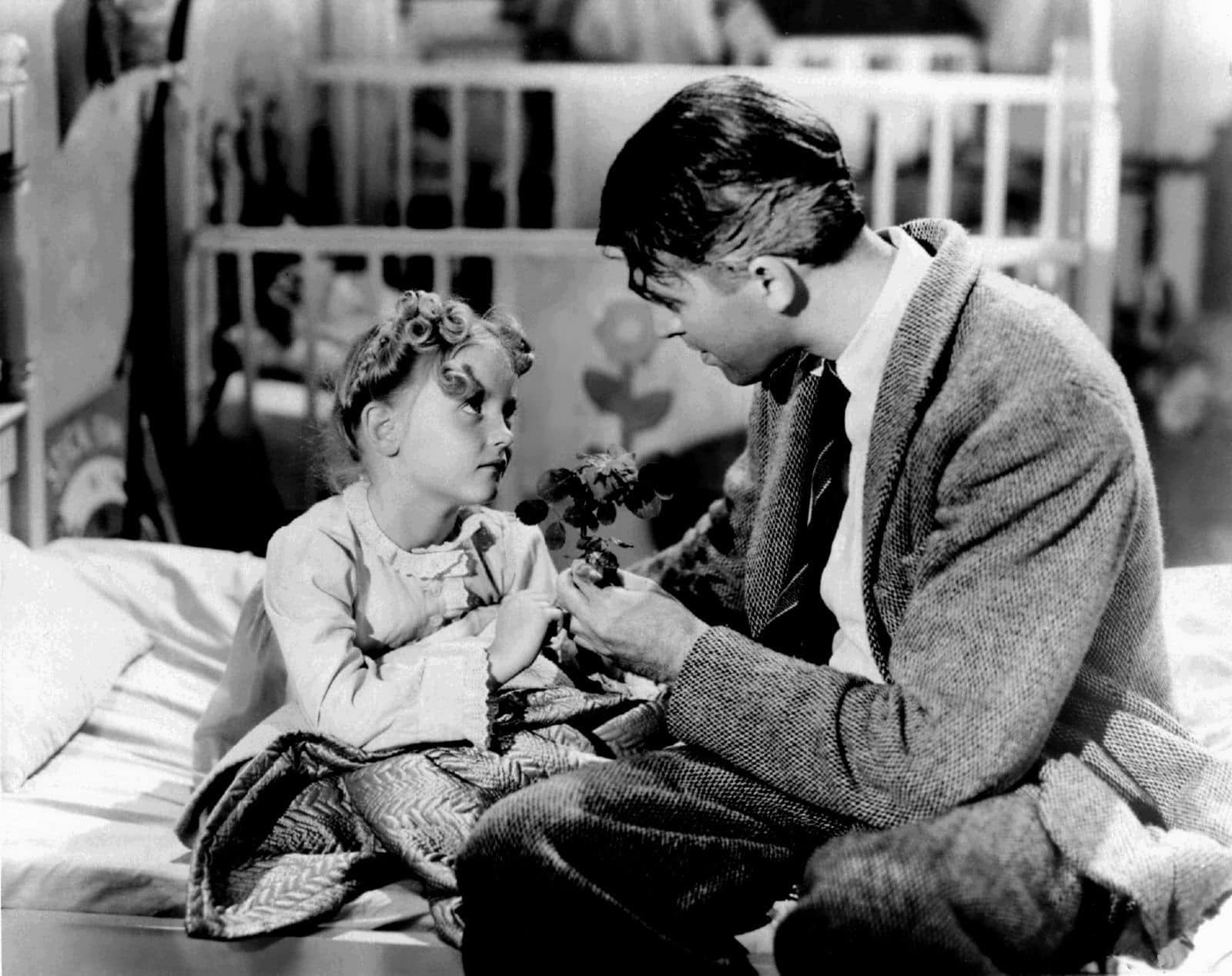
It’s necessary to rescue the Frank Capra film from its status as an untouchable American “classic.”

Stagefright proceeds as a rather earthbound taster of winky genre self-reflexivity.

Skimpy on the extras, Blue Underground nevertheless provides Soavi’s spunky freshman effort with an agreeable presentation.

O Amor Natural remains hopeful about the unifying potential of Carlos Drummond de Andrade’s poetry of desire.
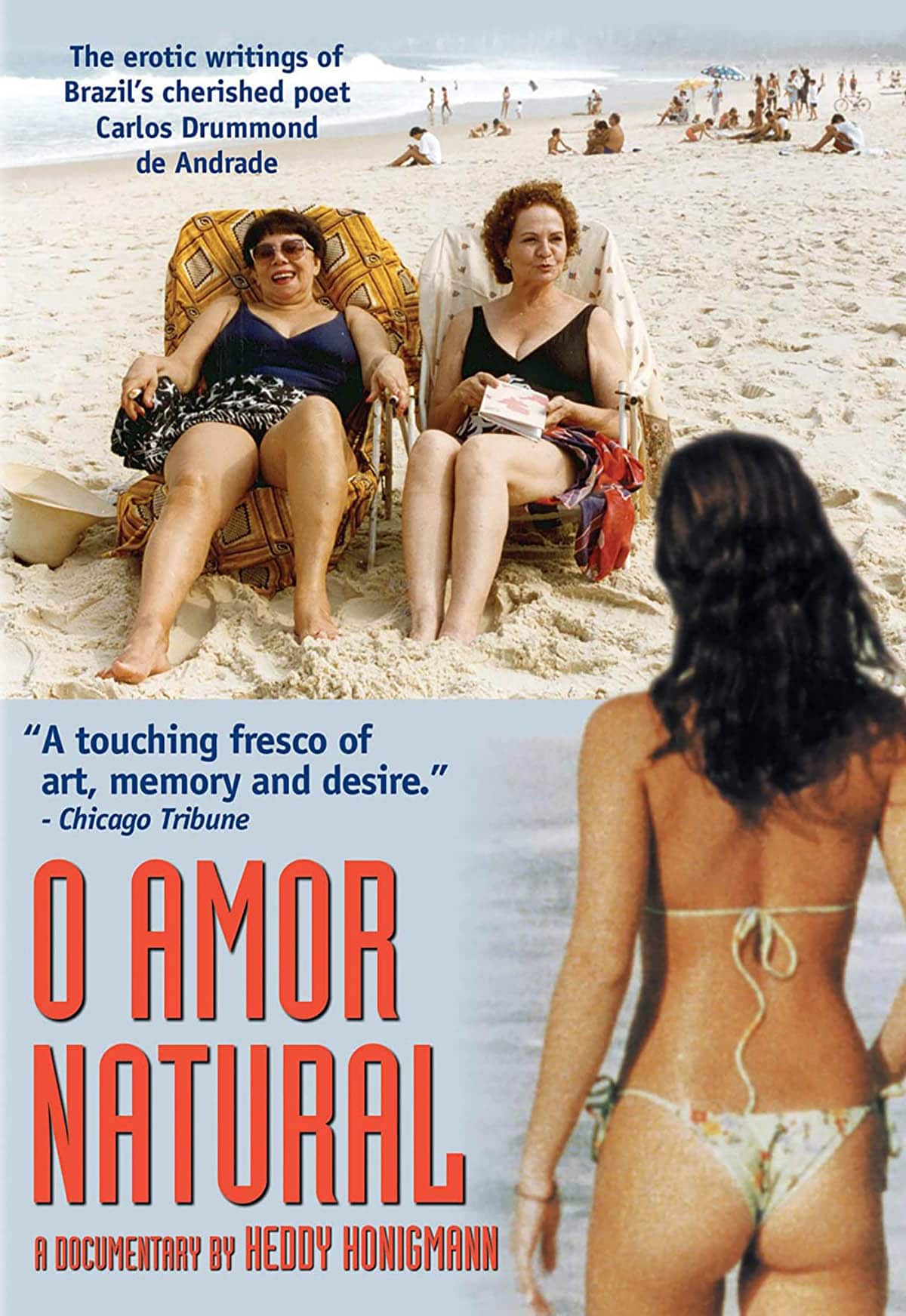
Come see Brazil’s poet laureate get his freak on.

Ultimately less than the sum of its parts, the film is nevertheless an engaging glimpse into a largely ignored period that may still hold many surprises.

Asquith’s film is an engaging amalgam of romance, murder, and cricket matches.
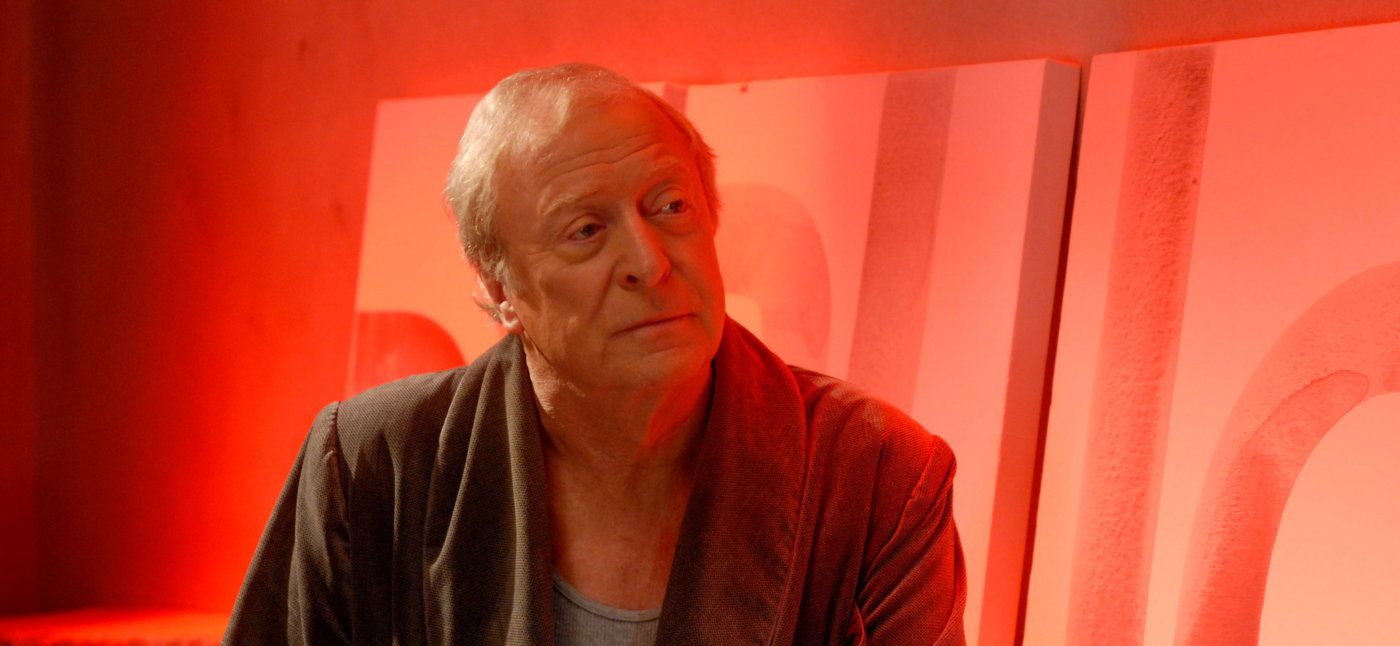
It’s tempting to call the new Sleuth a soulless remake, but that would imply that the original had a soul.
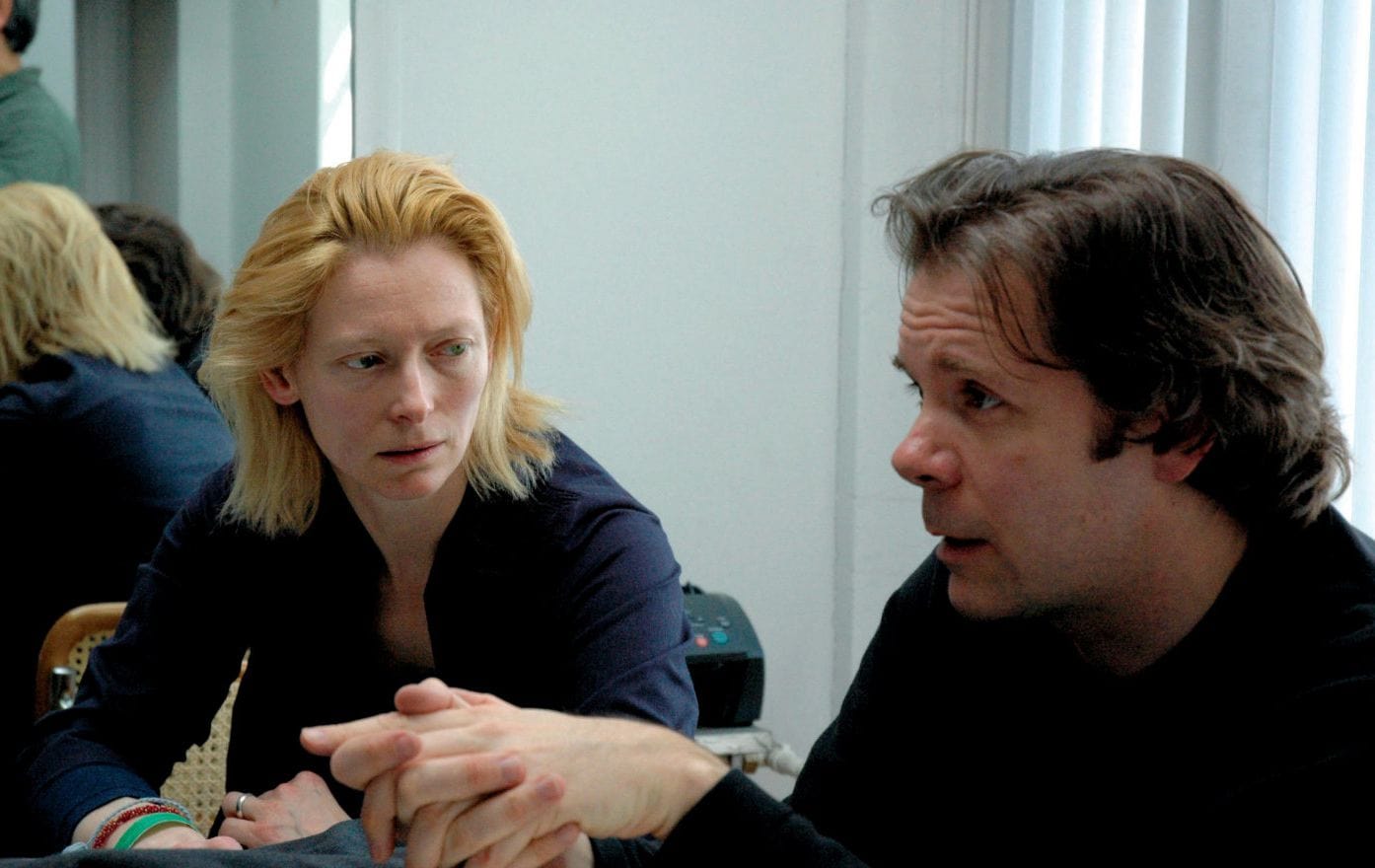
If Lynn Hershman-Leeson’s film can be frustratingly incomplete, it’s because the case it documents is very much still in legal limbo.