Above all of the more modest achievements in structure and casting looms Zucker’s garish comedic sensibilities.



Clayton Dillard is a lecturer in cinema at San Francisco State University.
Above all of the more modest achievements in structure and casting looms Zucker’s garish comedic sensibilities.

The film plods from one gruesome moment to the next, as if its mere aversion to optimism constitutes a philosophy.
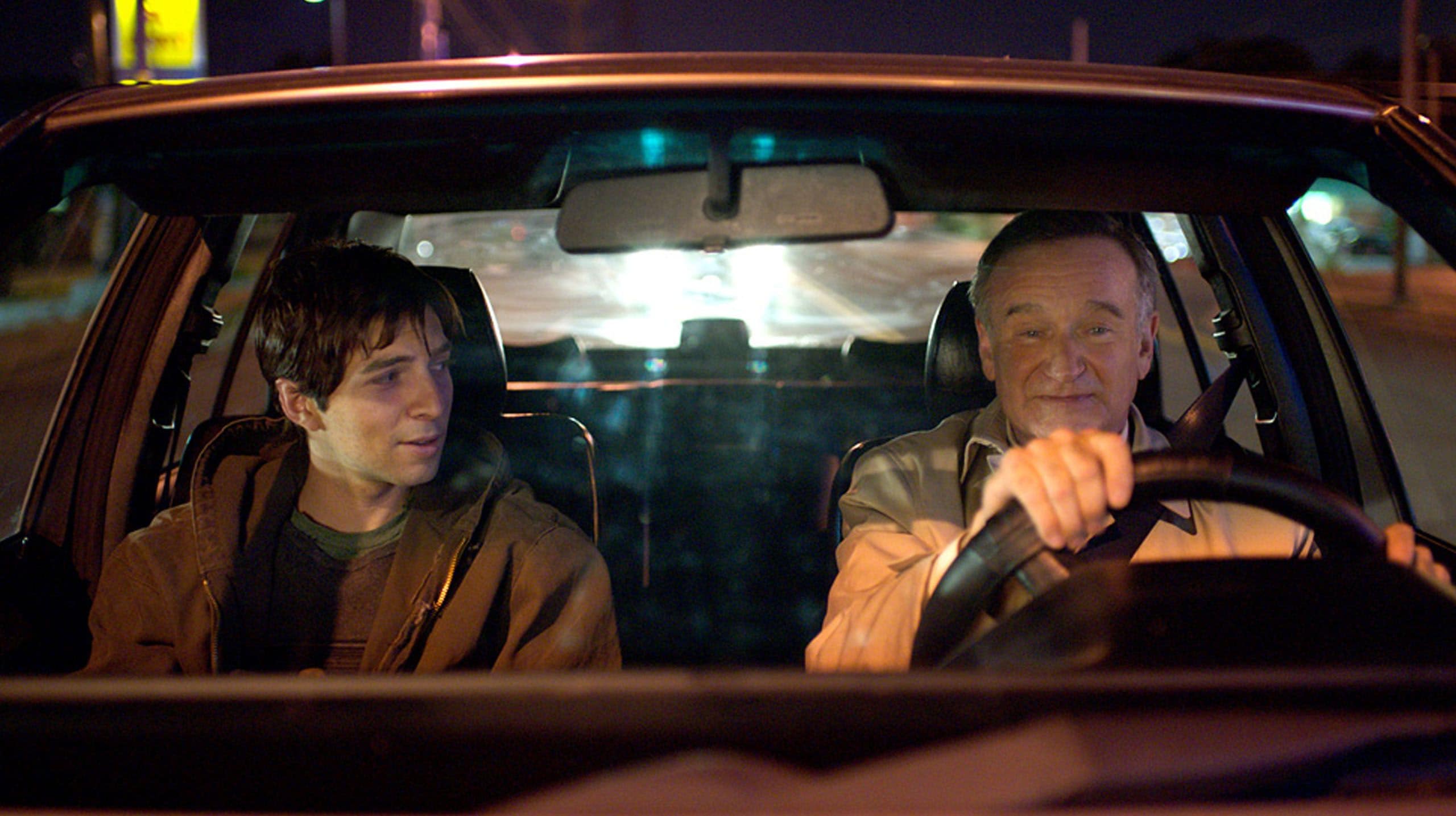
The film is contemptible for a belief in its own stature as a daring attempt to parse through the minutia of its core relationship.

It understands that fitting in, for many contemporary youth, means standing out by attaching oneself to ideological tenets.

Another link in an increasingly tiresome chain of navel-gazing think pieces posing as personal documentary.

Even Les Blank’s most conventional work remains punctuated by cultural insights that elude many filmmakers for their entire careers.

Whether because of race, shame, shelter, or fright, 7 Minutes remains white in the face throughout.

Dispensing with all notions that Days of Thunder is a critical work of any sort reveals its hollow and misogynistic underpinnings.

Its wholly complex and provocative social pleas slip too frequently into the seedy realm of journalistic exploitation.

It inflates the meta conceit (already overblown) of a pop-obsessed, sex-negative serial killer to excessive but trite proportions.

It lacks a formal rigor to match its thematic heft, preferring a digestible naturalism that serves its plot points in plain, uncomplicated sight.

It utilizes Maya Angelou’s claim as tantalizing bait rather than the starting point for a feature-length thesis statement.

Criterion’s Blu-ray for The Fisher King packs an audio/visual wallop, but is undermined by its transparent interest in communal naval-gazing.
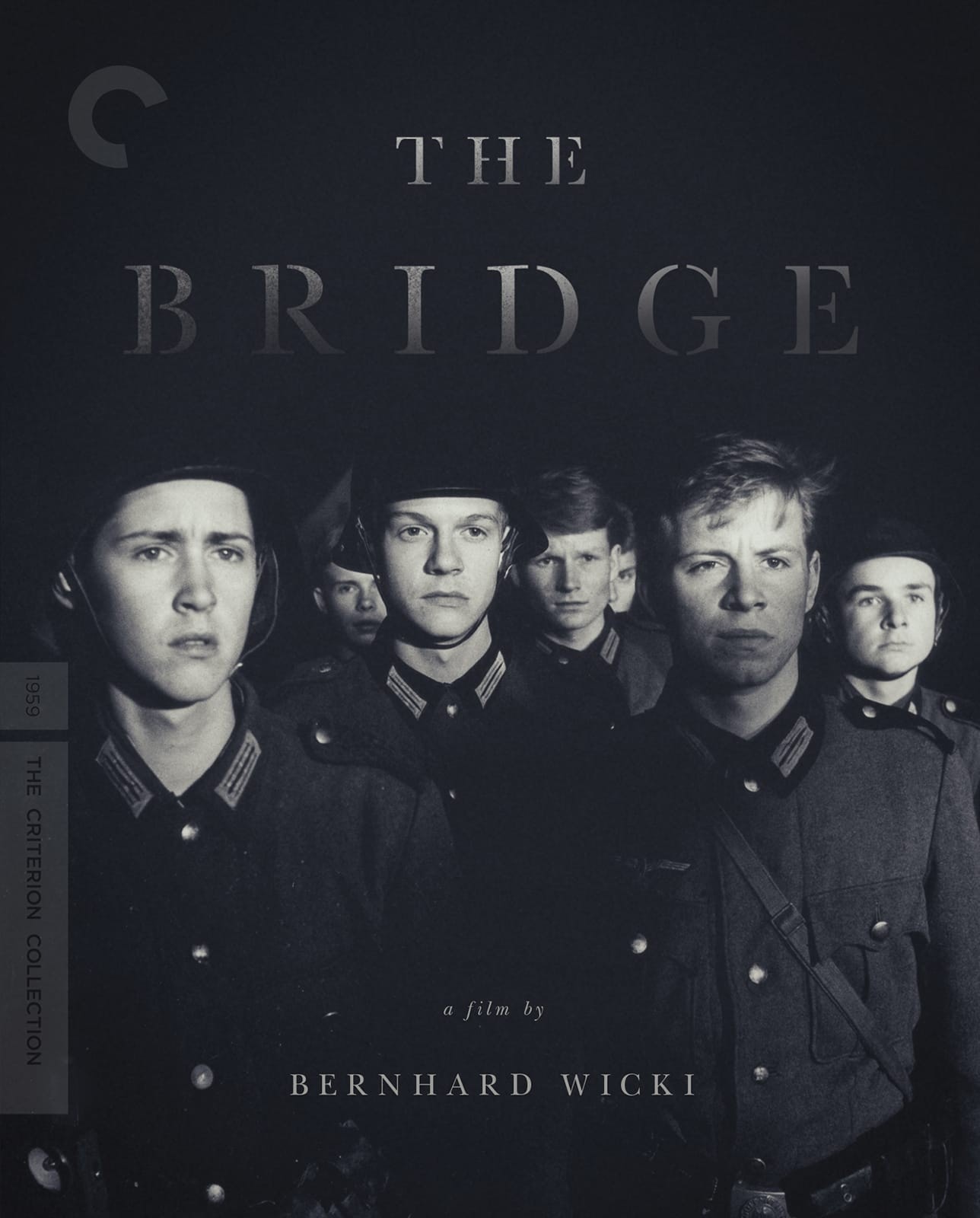
Thanks to Criterion’s new Blu-ray, The Bridge can further assume its rightful rank among the progenitors of New German Cinema.

The film’s Buñuelian potential for harpooning the bourgeoisie is quickly dashed in favor of mumblecore antics.

The film wants to reveal the anguish of mental illness and infiltrate the mind of its protagonist through constant affirmation of his pain.

The film is a mess of tones, but not of ideas, which could well sum up the director’s oeuvre.
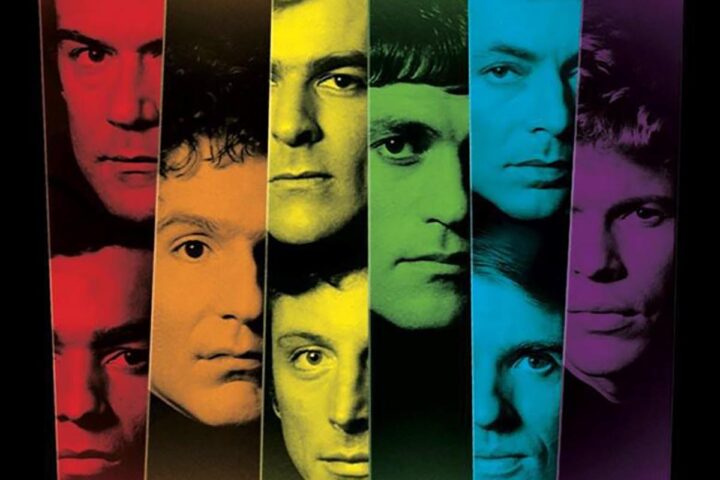
With an image that’s faded and at times fuzzy, Kino’s Blu-ray of the film needed more time in the studio.

As one scholar says in the accompanying documentary, “You could spend a lifetime studying 1939.”
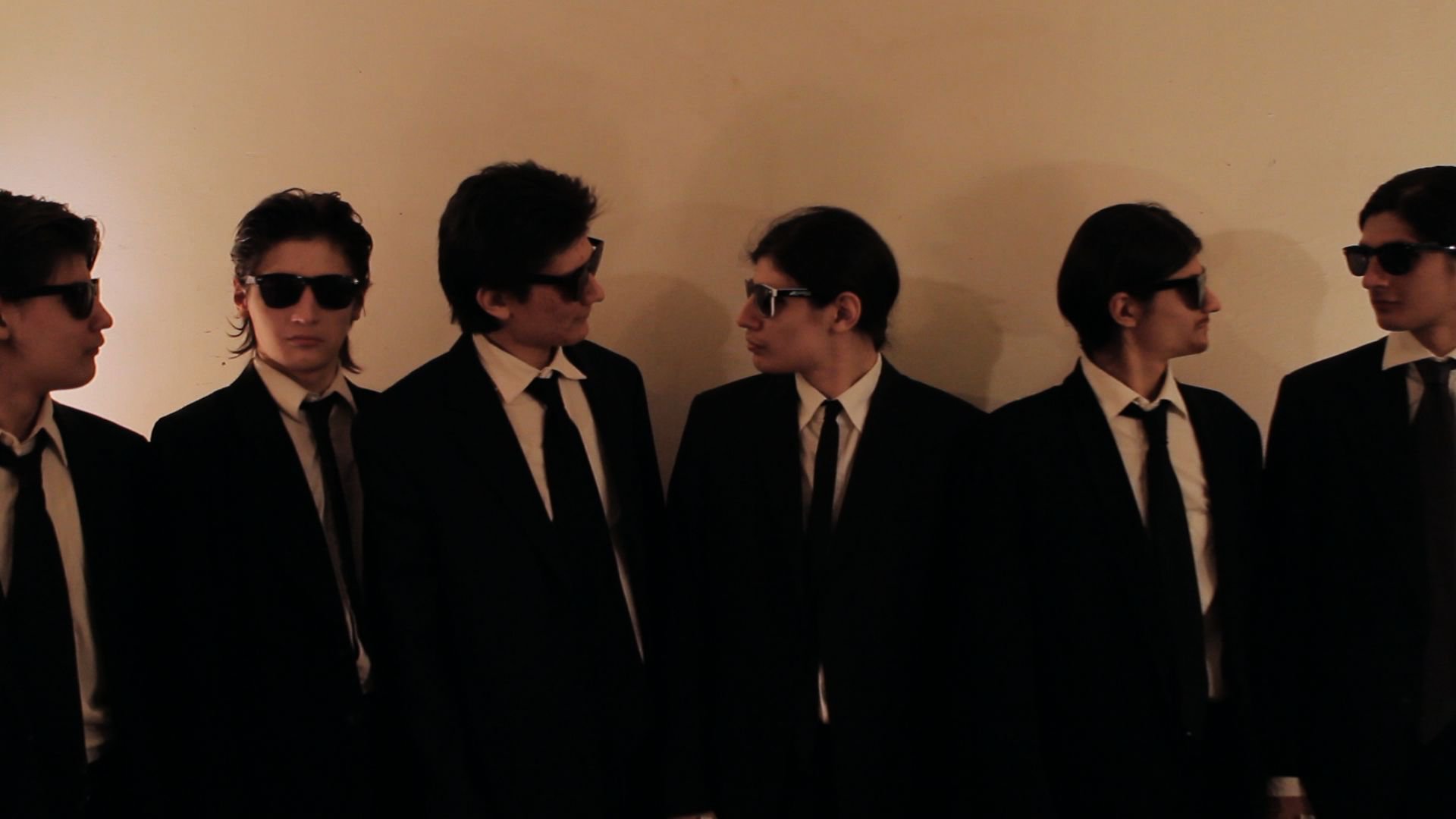
Moselle aims her cinematic arrow at the hearts of the same choir that Jarecki’s stunted aesthetics preach to.