This pair of hour-long docs depicts a community of agrarian or hard-laboring citizens without condescension and with a touch of populist poetry.



Bill Weber worked as a proofreader, copy editor, and production editor in the advertising and medical communications fields for over 30 years. His writing also appeared in Stylus Magazine.
This pair of hour-long docs depicts a community of agrarian or hard-laboring citizens without condescension and with a touch of populist poetry.

Bille August’s film is a protracted, soporific trip into Portuguese history that would like to be a romantic thriller.
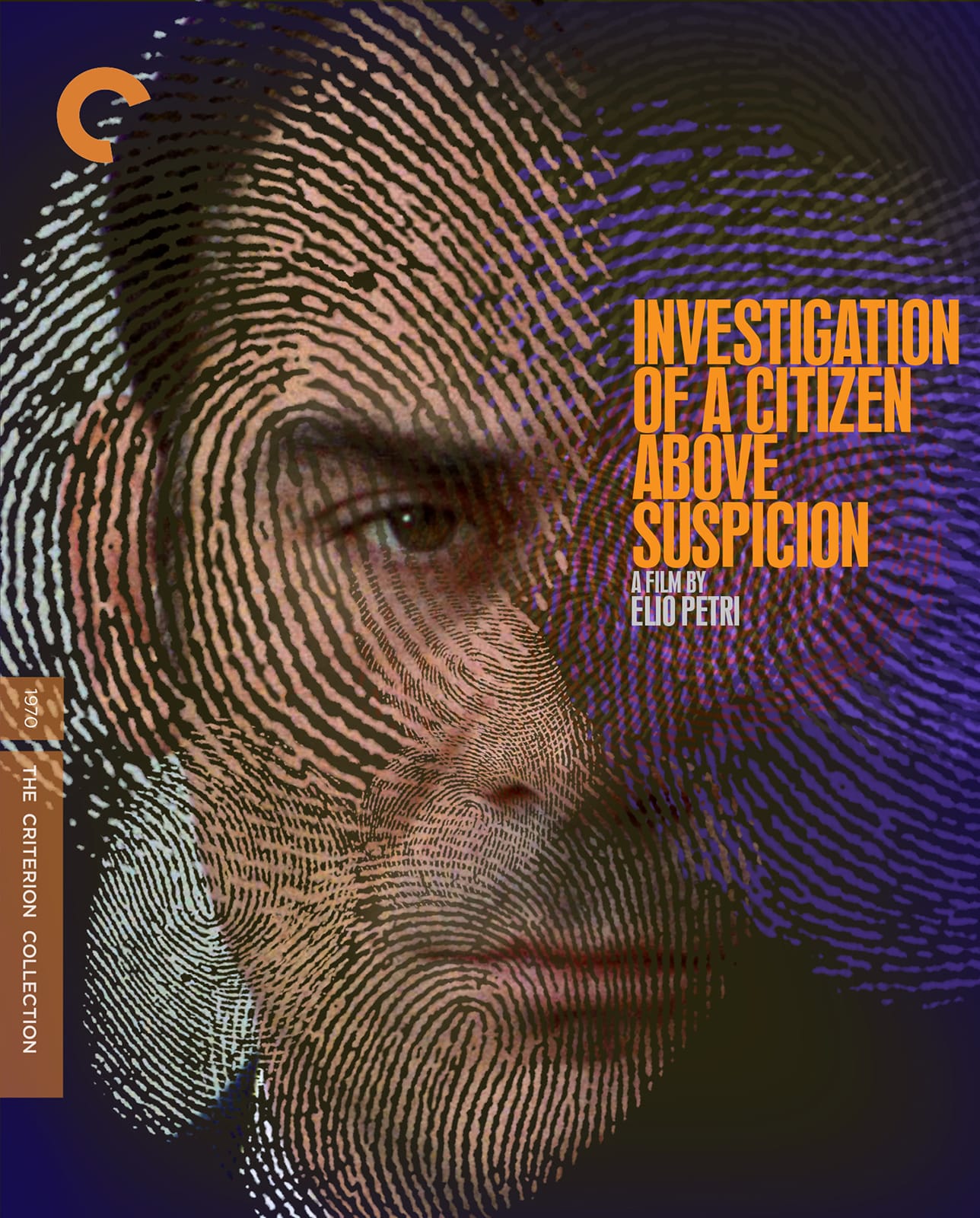
Criterion issues this nakedly political satire-thriller with scrupulous attention to its makers’ intentions and the film’s place in European film history.

Griffith’s masterpiece, likely the most influential film ever made, has been given new life with a gold-standard digital cleanup.

The charms of its superstar leads and utopian approach to social problem-solving is hard to resist.

This methodically balmy version of the dramatic poem often lurches about at a remote, enigmatic distance.

LisaGay Hamilton and Yolonda Ross persuasively embody modern urban feminine strength, but they’re eventually stranded in a recycled road movie.

Showing some signs of life behind its “gay priest tempted” premise, In the Name Of is best when it isn’t easy.

The film doesn’t temper enough of Cormac McCarthy’s excesses, but Ridley Scott and his ensemble find enough meat in the scenario to make for diverting, bloody pleasure.

This reinvention of the movie musical has tinsel, Technicolor, and a beating, broken heart.

It’s a pity that it hews to sitcom-like formula rather than using this bank of knowledge and sympathy to create something more original.

An unnerving, all-archival account of Philadelphia citizens suddenly terrorized by the unchecked violence of rogue “law and order.”

The Peter Landesman film’s overt politics are minimal, aside from defaulting to the myth of John F. Kennedy as a martyr for something.

Another well-upholstered but cheap exercise in luxe pandering that fails as romantic farce.

It bubbles with an optimistic portrait of a happily married young couple, and a lively gallery of supporting characters worthy of a Preston Sturges farce.

An overmatched star and a scarcity of eccentricity sink this hip-lit origin story from director John Krokidas.

Billy Bob Thornton’s ensemble Southern family dramedy fails to subvert its cutesy formula often enough.

A counterproductively “literary” film with no satisfying payoffs, Rutger Hauer’s blind recluse notwithstanding.

Otto Preminger’s version of a flag-waver, a condemnation of oxymoronic military justice, is a moral chess game that can’t try very hard to fake phony uplift.
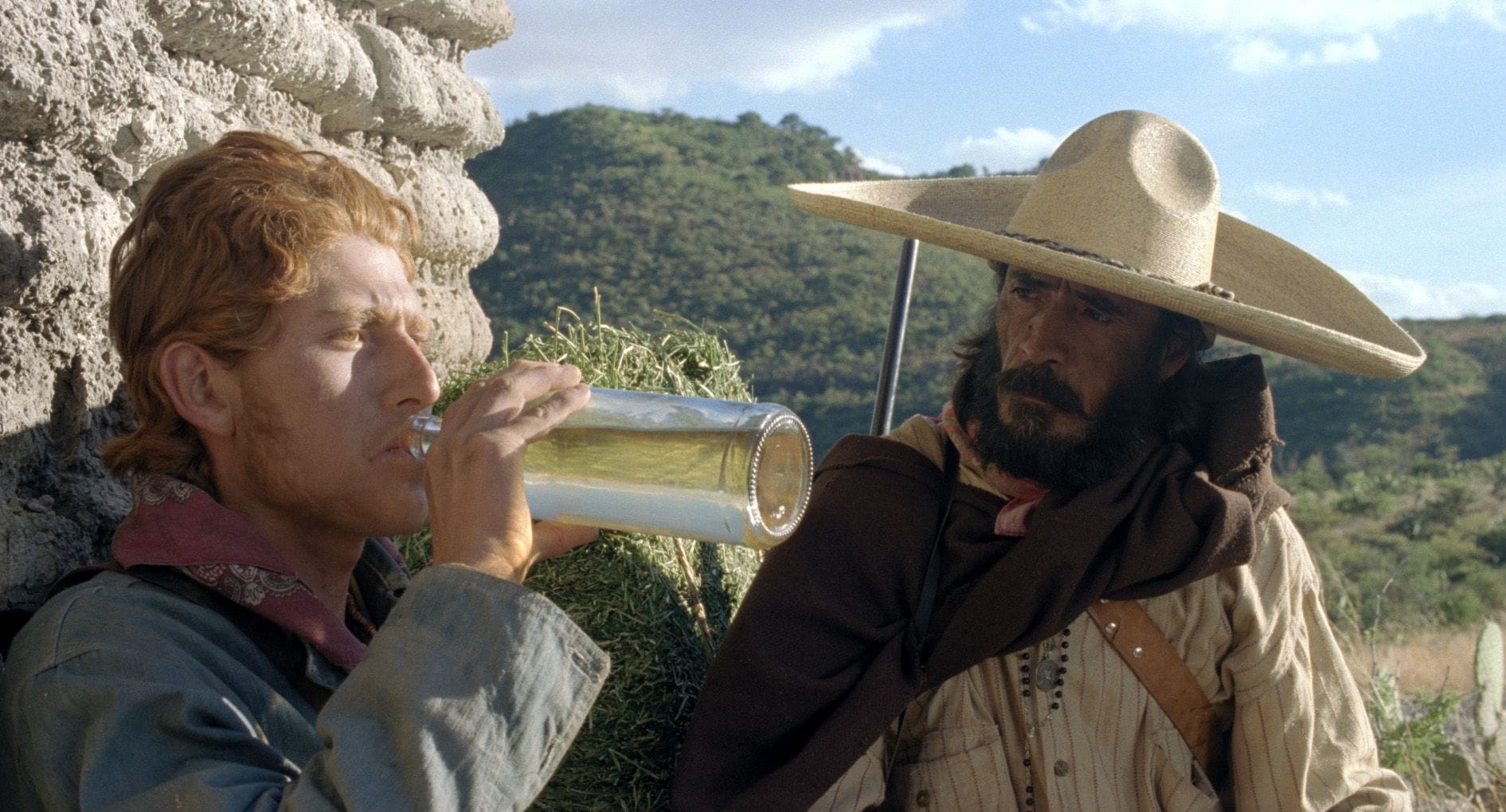
The film forsakes most of the underdog sentimentality found in traditional genre treatments of noble sacrifice.