The first few episodes of Ronald D. Moore’s Battlestar Galactica re-imagination reached out and clenched viewers by the throat, but with Caprica, the highly anticipated prequel series, Moore & Co. opted for a more grounded approach. Caprica begins nearly 60 years before the cataclysmic genocide that sent Battlestar hurtling off at its breakneck pace, and concentrates on the lives of two warring families whose actions unwittingly doom their entire civilization. While the show manages to recapture the rich characters and social commentary that made Battlestar thrive, it lacks the bold propulsive dread that constantly rumbled in the background of that series.
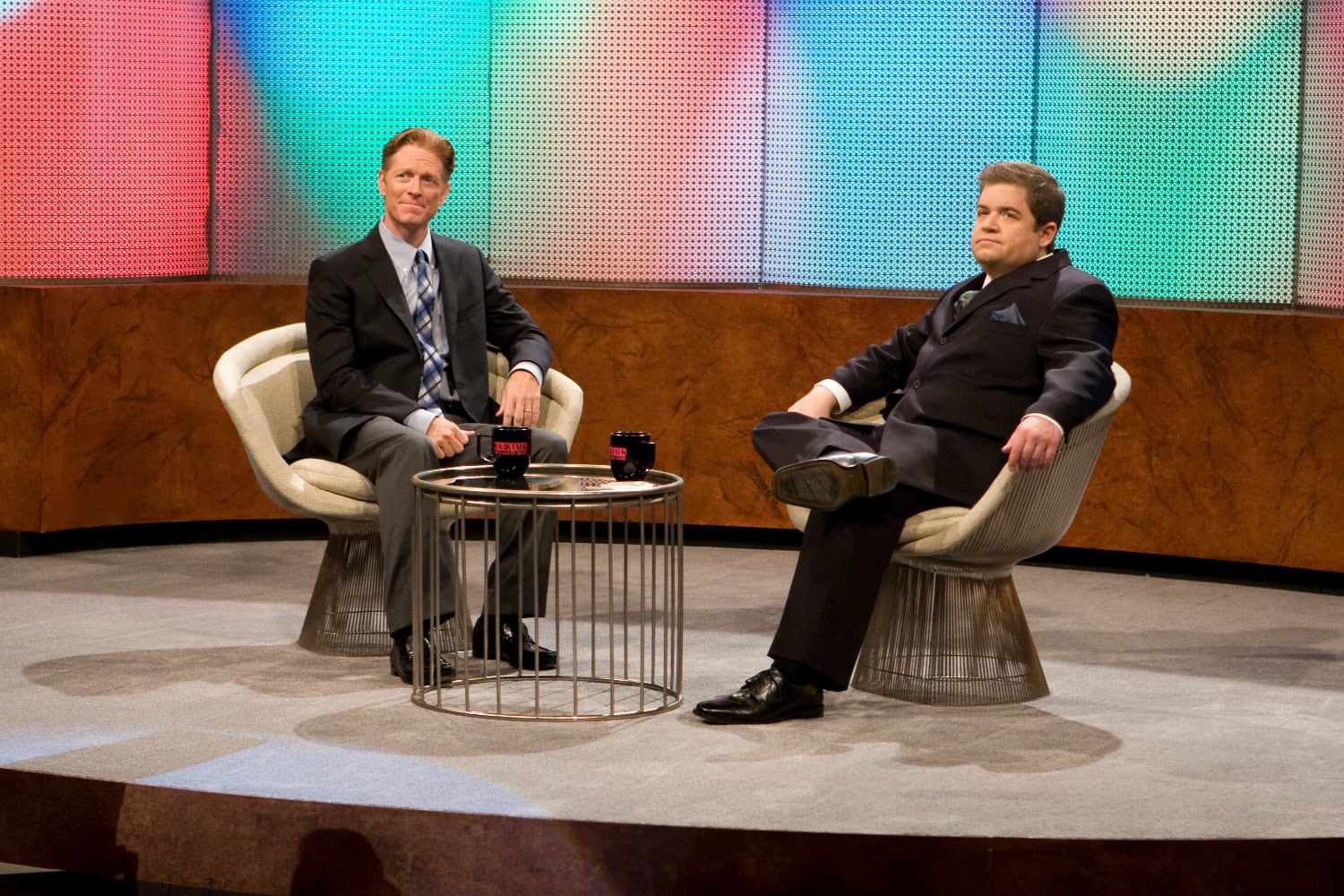
Eric Stoltz and Esai Morales play Daniel Graystone and Joseph Adama, a pair of fathers who lose family members when a suicide bomber destroys a bustling train car. Graystone is the head of a successful technology firm whose daughter Zoe (Alessandra Torresani) died in the explosion. When he discovers that Zoe invented a method of duplicating one’s consciousness as a computer program and had herself virtually cloned, he recruits Adama, a lawyer with some Michael Corleone-like familial ties to the mafia and father of Galactica commander William Adama, in a quest to bring their lost loved ones back to life.
Like Battlestar, Caprica takes on a bevy of weighty social issues, picking up the familiar religious and metaphysical threads while taking shots at a few new subjects like sensationalized journalism, corporate crime, and cultural identity. The religious aspect of Moore’s Battlestar universe always suffered from being rather abstract and sloppy, and it’s no different in Caprica. While the religious terrorism angle that’s brewing in these first few episodes is intriguing, the intrigue mostly stems from curiosity about how the Cylons developed their fanatical religion, not because the show offers any new insights into the topic of religious extremism, and the terrorism angle isn’t as affecting or jarring as the New Caprica insurrection of the previous series. Battlestar’s ending, where angels basically swept in and fix everything, left little question as to the spiritual reality of this universe, and dwelling on it further is just asking for trouble. Hopefully Moore can use this series to refine this theme rather than simply retreading Battlestar’s tendency to use religion as a narrative crutch.
The other familiar Battlestar conflict brought on by the blurred line between human and machine reappears with more success in Caprica. Once Zoe’s father loads her consciousness into a prototype Cylon body, the narrative cuts between depicting her as the monstrous machine that everyone sees and the girl that she feels like on the inside. It’s a clever device that explores how Cylons feel about themselves. Zoe’s copy may only be a collection of stored data in a metal casing, but she has the same emotions and memories as she did when her flesh-and-blood counterpart created her, and she starts chomping off peoples’ fingers when she’s treated like a toaster.
Still, Caprica seems vaguely ashamed of its sci-fi roots. The show may take place in a world that has already mastered interstellar travel, but it remains intensely grounded on a planet not much more advanced than our own. It’s as if Moore and co-creator David Eick are afraid to scare off non-genre fans the way that Battlestar did. And while that show marched along with a strong sense of narrative purpose (mission: find Earth), Caprica sometimes feels sleepy and held back by its diffuse, soapy plotlines.
Then there are nagging details about the world of Caprica itself. Design-wise it has a nifty retro-futurist 1950s vibe, but despite the robots and fully immersive virtual worlds, characters still use VHS tapes and drive around in Jaguars—the latter of which may be a nerdy nitpick, but in light of the big twist in the last episode of Battlestar, the only way a 21st-century car could exist on Caprica is if someone invented a time machine.
There’s a nasty sense of doom that looms over everything in Caprica. As glamorous as Caprica can be, it’s eerie to know that everything will eventually become a nuclear wasteland. While fans of Battlestar should be happy to hear inventive use of the word “frak” again, they might be put off by Caprica feeling like Moore’s own version of Dallas. It’s difficult to imagine people reacting to the show with the same fervor as Battlestar; there are far too few explosions and generally awesome things for that. But Caprica still manages to take on some daring themes with that familiar dedication to character and plot.
Since 2001, we've brought you uncompromising, candid takes on the world of film, music, television, video games, theater, and more. Independently owned and operated publications like Slant have been hit hard in recent years, but we’re committed to keeping our content free and accessible—meaning no paywalls or fees.
If you like what we do, please consider subscribing to our Patreon or making a donation.