
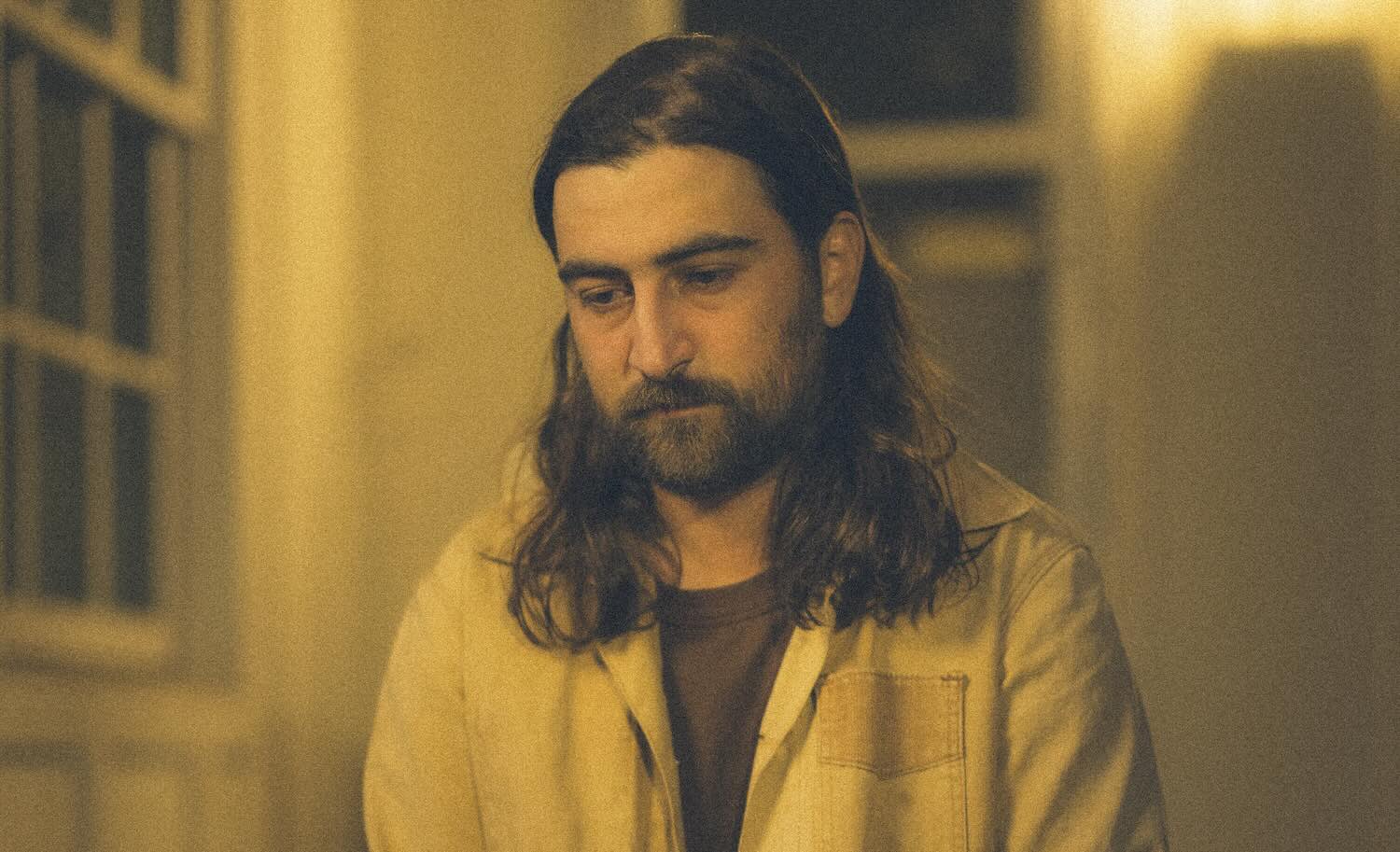
Noah Kahan’s music is the amalgam of a lot of reference points, stitched together from the proven styles of at least a half-dozen other singer-songwriters. His early work in particular traded in the kind of sentimental, treacly sop that Ed Sheeran popularized in the 2010s. Kahan tweaked that formula on 2022’s Stick Season, swapping cloying folk-pop for stomp-clap bluegrass in the vein of Mumford & Sons and the Lumineers.
Like Stick Season, Kahan’s follow-up, The Great Divide, marries the almost gospel-like emotional tenor and earthy signifiers of those bands with the tasteful minimalism of indie singer-songwriter music. It’s a more of a natural fit, but his spin on it can’t help but feel like a poor man’s version of the real deal.
Kahan has gone to great lengths to make his foray into the bleeding-heart bearded-guy subgenre come off plausibly. In addition to co-conspirator Gabe Simon, he’s brought in the National’s Aaron Dessner and Bon Iver’s Justin Vernon for assistance. Kahan shamelessly attempts to recreate the latter’s dewy falsetto on “All Them Horses,” and it mostly works, with satisfying pops of fiddle, mandolin, and cello all balanced expertly.
Several songs, like “23,” make restrained and canny use of the band’s full force by letting things build slowly as Kahan recounts failed relationships and tales of drunkenness. A tendency to let songs breathe over the course of four to five minutes makes Kahan stand out from, say, Zach Bryan. Both are boozy, wounded Americana troubadours—and Bryan, too, has mined the stomp-clap canon—but Kahan has clearly put more care into honing his material.

Kahan’s woodsy, pastoral upbringing in Vermont and New Hampshire is a big part of his brand, and it’s something he explores genuinely and sometimes movingly. His characters—like those on “Paid Time Off,” who he cheerily sings are having “a damn near perfect day, getting high at the outlet mall”—are often townies who fascinatingly don’t carry the shame or self-loathing we might expect. The song goes on to diagnose how small towns and toxic relationships can breed complacency and trap people from realizing their full potential.
That dynamic is also the central narrative of “Willing and Able,” which is a bit of a slog musically. It also isn’t afraid to make Kahan’s narrator come off just as petty as the person he’s in a relationship with: “Oh, I’ll stay here ‘til morning/Oh, we can fight like we used to fight,” he sings with an alluring mixture of taunting and weariness.
The complex sense of perspective is the best argument for Kahan as a songwriter, but it also makes him so potentially unlikable that it risks disengagement with his work. And his vocals often sound constricted or flat, preventing his songs from getting anywhere close to the weight of the artists he’s emulating.
Throughout The Great Divide, Kahan embodies a contradictory, off-putting character who’s eager to point out the weaknesses of others. On “Dashboard,” he takes an “asshole” who can’t hold onto friends to task. He’s quick to share what he hopes someone will do or say, suggesting a need to control others and how they behave around him. “Tell me I don’t need options, that I have substance, that I’m important,” he pleads on “We Go Way Back.” We’re compelled to both empathize with Kahan’s insecurities and imperfections and praise his disinterest in empty bluster. But he also comes off excessively self-pitying and pretty adamant about how most of the other figures in his life are failing him.
Kahan is fully aware of how profitable his emotional torment can be: “Gonna dance around and sing about my pain/Okay, it pays,” he admits on “All Them Horses.” In more than just this line, The Great Divide doesn’t shy away from portraying Kahan as a product and commodifying the vulnerability that’s at the heart of the confessional folk he seeks to make.
Since 2001, we've brought you uncompromising, candid takes on the world of film, music, television, video games, theater, and more. Independently owned and operated publications like Slant have been hit hard in recent years, but we’re committed to keeping our content free and accessible—meaning no paywalls or fees.
If you like what we do, please consider subscribing to our Patreon or making a donation.





A lot of criticisms in this review seem to be based on a misread/misunderstanding of the lyrics. On many of these songs he’s either taking on the perspective of someone else talking to him (often projecting what he thinks that person is thinking, filtering it through the self-loathing he’s spoken about in many interviews). This is likely the case in, for example, Dashboard. Willing and Able is speculated to be about a sibling relationship, which may impact how one perceives the song.
Whether this affects Noah’s likability more or less than how the reviewer read the lyrics I suppose is in the eye of the beholder, but the sentiments he expresses are very in line with what many with depression experience and what makes him relevant to a lot of people.
I agree with your take here. I feel like maybe the critic here isn’t that familiar with Kahan and his candid thoughts on his own struggles. Dashboard to me felt like he was talking to himself (moved away, got a dog, etc.) about moving away, finding fame and ultimately not outrunning anything negative.
Way to completely misread the entire album, ignoramus. Have you considered critically thinking? If your criticism is a lack of authenticity, you might be the least prodigious critic to ever walk the earth. And the idea that diffusion of musical techniques and ideas is “unnatural” or “profit-seeking” is laughable. Musicians have influenced each other since music has existed. Get a grip
Whatever you say Charles Burt…never trust the taste of a man with two first names. Clearly a total off-aim take of this album.