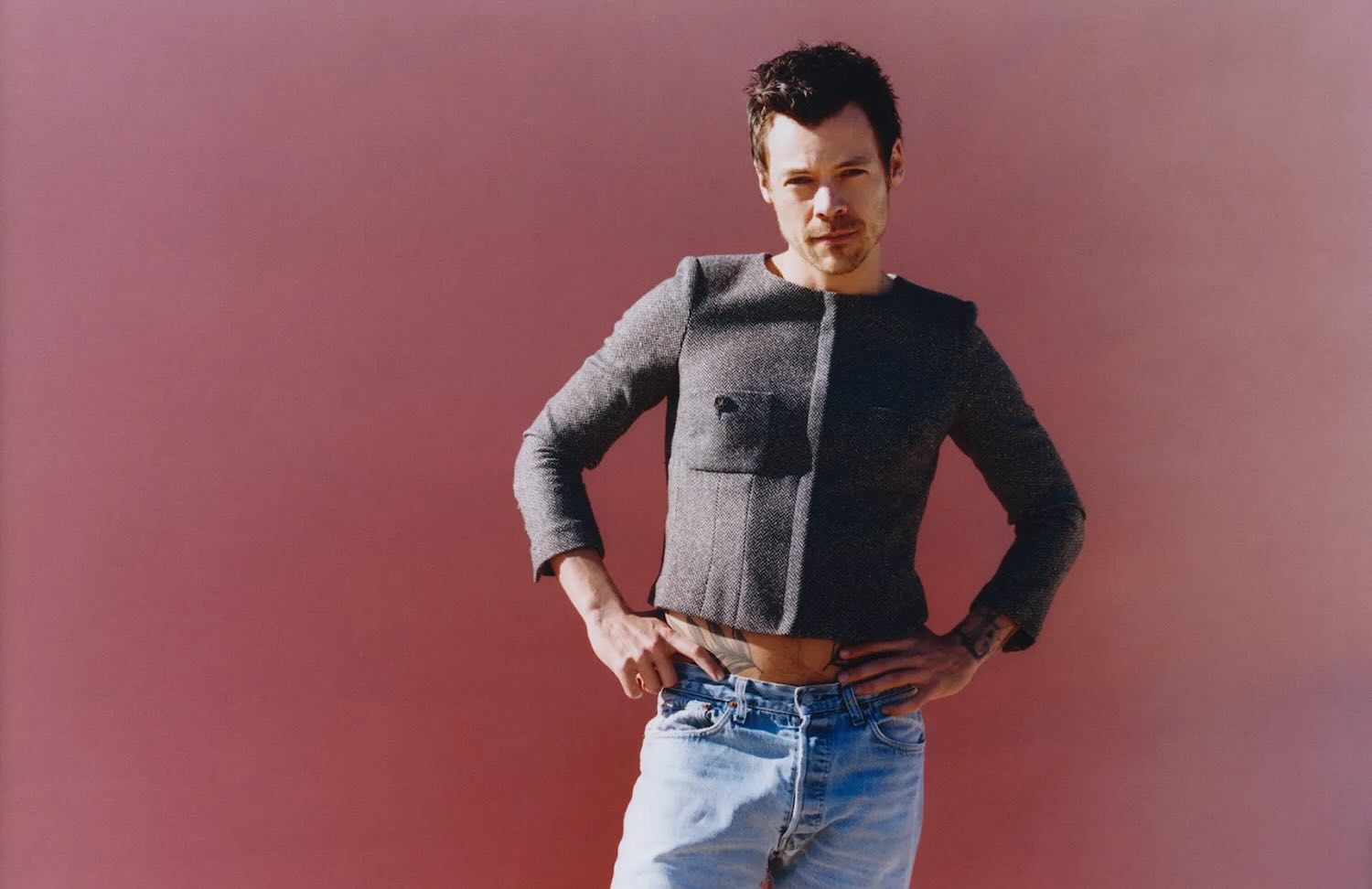
Harry Styles’s post-pandemic dip into the party scene—which evidently included marathon training, dancing in the pit to LCD Soundsystem, and unsuccessfully parallel parking strangers’ cars—was the chief inspiration for the singer’s fourth solo album, Kiss All the Time. Disco, Occasionally. From opener “Aperture” onward, the dozen songs here largely ditch the jangly guitars and pop-rock balladry that defined Styles’s previous albums in favor of blown-out basslines and four-on-the-floor beats primed for subwoofers.
Styles and longtime collaborator Kid Harpoon’s efforts to create something that evokes the unparalleled atmosphere of dancing yourself clean with all your friends pays off with some solid noise-pop numbers: “Ready, Steady, Go!” and “Season 2 Weight Loss” are crafty, slyly idiosyncratic earworms; “Taste Back” sounds like the Postal Service by way of the 1975 in the best possible way; and “American Girls,” despite sounding like a moodier version of 2019’s “Adore You,” boasts an instantly indelible scream-along hook.
True to its title, though, Kiss All the Time. Disco, Occasionally. is less the sweaty abandon of Berghain techno than it is the swoony funk of Daft Punk or, at times, what the Dare might sound like after an Ambien. It’s curious how subdued the whole album is: Listening to it feels like a bittersweet night out, where fragmented thoughts enter your mind as fast as the lasers bouncing off the tiles of a glitterball, and existential ambivalence cuts through the haze of the fog machines, all while you’re constantly making sure that everyone’s having a good time.
Styles is keenly aware of—and, perhaps, burdened by—his role in the dynamic he’s creating with his audience. The synthesizer stabs, “Uptown Funk”-reminiscent backing vocals, and choir-assisted refrain of “DJs don’t dance no more, they said!” on “Dance No More” feel carefree. But they give way to something almost elegiac: Why don’t they dance anymore, Styles seems to wonder. Putting himself in his listeners’ shoes, it’s a solemn realization that as the conductor and performer of his own music, he’ll never truly be a part of the party.
Styles’s celebrity, and the warped perspectives on intimacy it provokes, seems to haunt him. On the mellow and starkly existential “Paint by Numbers,” he gestures ambivalently at his success: “Oh, what a gift it is to be noticed/But it’s nothing to do with me.” The demands of continuously producing new output as a pop star almost grow nightmarish on the quasi-psychedelic “Pop,” as he tries to outrun the distorted Tame Impala-esque guitar melody. “Am I in over my head/This could go anywhere/Do it and do it again/It’s meant to be pop!” he sings.
As fascinating as this all is, it’s a bit undone by the sense that Styles is withholding from us. His lyrics are more often than not evasive and vague, often invoking a “you” figure whose edges never materialize. When he does use distinct imagery, his metaphors are odd little creations so inscrutable that they come across as inside jokes designed to send gossip bloggers and Genius scrollers into psychosis. On “Carla’s Song,” for example, he croons, “You’ve been a baby sleeping upon a candy bar/‘Til your eyes open on the changing summer light.”
After spending his post-One Direction career melding the gender-bending flair of Elton John and David Bowie with an aloof charm distinctly his own, Kiss All the Time. Disco, Occasionally. continues Styles’s trajectory of showing us less of who he is as an artist than who he hopes to emulate. It’s a shame that, while the album can be considered a departure, its unsettled themes and reliance on sounds we’ve heard before make it a hesitant venture into the already-known.
Since 2001, we've brought you uncompromising, candid takes on the world of film, music, television, video games, theater, and more. Independently owned and operated publications like Slant have been hit hard in recent years, but we’re committed to keeping our content free and accessible—meaning no paywalls or fees.
If you like what we do, please consider subscribing to our Patreon or making a donation.