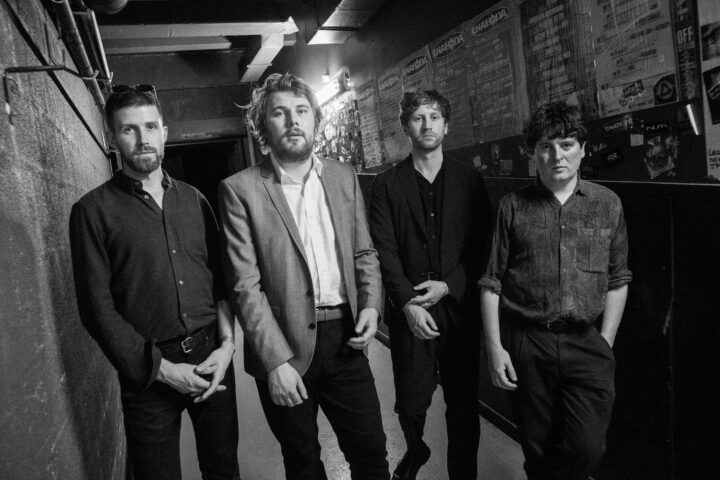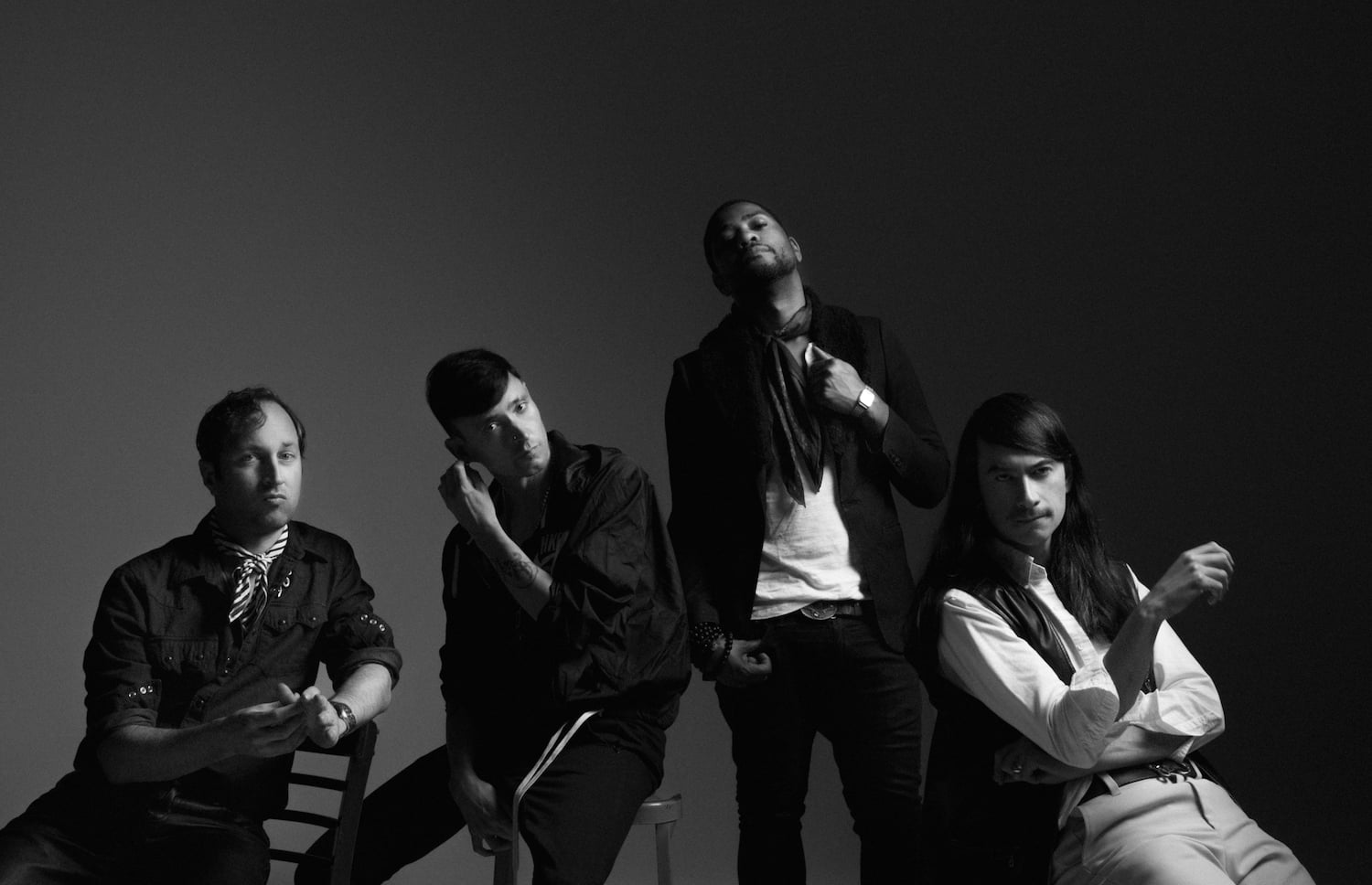
With Shook, Algiers attempts to blend a number of disparate musical genres, but while they emulate those individual styles well, the songs haven’t been developed past their initial ideas. The Atlanta-based group draws from the sounds of soul and gospel, various styles of hip-hop, industrial music, indie rock, and post-hardcore, among others, resulting in an effort that’s more memorable for its sonic variety than its songwriting or cohesiveness.
The group consistently proves their mettle as musicians throughout Shook. But the sequencing of both the songs’ individual elements and the tracklist as a whole is less than the sum of the parts. Over a third of the album’s tracks are spoken-word interludes, like “Comment #2,” which is a highlight for its focus on the ways in which non-white communities are often talked about or portrayed by white people. Thematically, many of these interludes emphasize the band’s broader political interests, but more often than not they tend to slow the album’s pace, blending together into a haze of spoken word and atonal saxophone noodling.
With its skittering beat and frontman Franklin James Fisher’s raspy rap-singing, “Irreversible Damage” emulates the sound of New York-style drill music, but the singer’s delivery borders on cartoonish. It’s an impression made even more apparent by guest vocalist Zack de la Rocha’s passionate, confident flow. And the track ends by transitioning into an out-of-place guitar solo in the vein of the Killers’s brand of stadium rock.
Many of the album’s transitions either halt any forward momentum or feel stylistically jarring, as on “Everybody Shatter,” “Bite Back,” and “Something Wrong.” On “Green Iris,” however, the band manages to pull several different sounds and musical sections together into a more coherent whole. The song opens with some beautiful and eerie piano chords, reminiscent of jazz pianist Horace Silver, backed with mournful moans before giving way to a rather straightforward groove over which Fisher delivers a performance full of anger and pathos.
“Green Iris” finds Algiers at their finest, as the different sounds and styles—including a free-jazz-inspired freak-out and a synth-heavy closing—are all in the service of songwriting with a strong hook and an emotional through line. Conversely, tracks like “Cleanse Your Guilt Here,” “Cold World,” and “73%” aren’t fully developed musically, maintaining a similarly plodding rhythm for the majority of their respective runtimes.
“73%” does highlight the band’s energetic take on post-punk, featuring a staccato guitar riff and Fisher’s restrained yet menacing vocals. Elsewhere, “A Good Man” shares more than a passing resemblance to Joy Division’s “Interzone” with its aggressive guitars, hazy keyboards, and a substantial emotional payoff. It’s further proof that, when focusing their lofty artistic ambitions, Fisher and company are capable of composing hooks that rival those of their forebearers.
Since 2001, we've brought you uncompromising, candid takes on the world of film, music, television, video games, theater, and more. Independently owned and operated publications like Slant have been hit hard in recent years, but we’re committed to keeping our content free and accessible—meaning no paywalls or fees.
If you like what we do, please consider subscribing to our Patreon or making a donation.