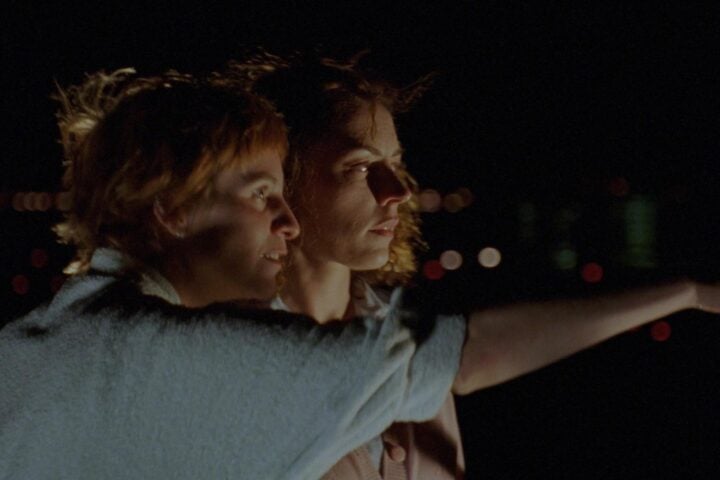
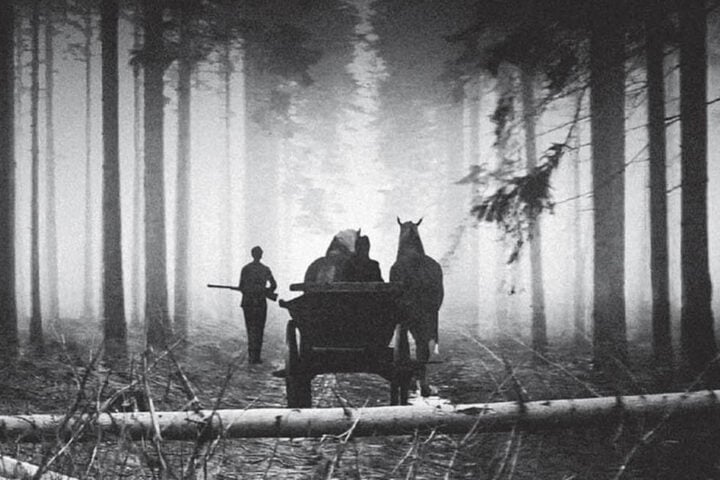
Bohdan Sláma’s Something Like Happiness is no masterpiece, but given the sense of compassion that underscores its human interest, it would be a shame if the film about ordinary people eking out a living in the grimy crevices of the Czech Republic never found the distribution deal that came so easily to barf bags like Barbara Albert’s Free Radicals and Ulrich Seidl’s Dog Days. “Not everything needs to be said,” says Auntie (Zuzana Kronerová) to Tonik (Pavel Liska), referring to how she never told the love of her life that she cared for him. These words could apply to the story itself, which is told in such a sparse fashion that it takes a while to get used to its point of view. Sláma evokes a constantly revolving door of abandonment, indecision, and second chances in the apartment building Tonik’s family shares with his childhood crush Monika (Tatiana Vilhelmová) and Dasha (Anna Geislerová), whose children fall into her friend’s hands after she’s taken away to a mental institution. Dasha’s mental unease isn’t as sensitively explored as Monkia and Tonik’s evolving relationship, but in the film’s evocation of industrialized squalor you get an emphatic sense of location affecting the mind. I could do without Dasha and Jára’s impromptu backdoor fucking scene, but the sweet Christmas scene is a charmer—a modest vision of characters trucking on in spite of their difficult circumstances.
Since 2001, we've brought you uncompromising, candid takes on the world of film, music, television, video games, theater, and more. Independently owned and operated publications like Slant have been hit hard in recent years, but we’re committed to keeping our content free and accessible—meaning no paywalls or fees.
If you like what we do, please consider subscribing to our Patreon or making a donation.