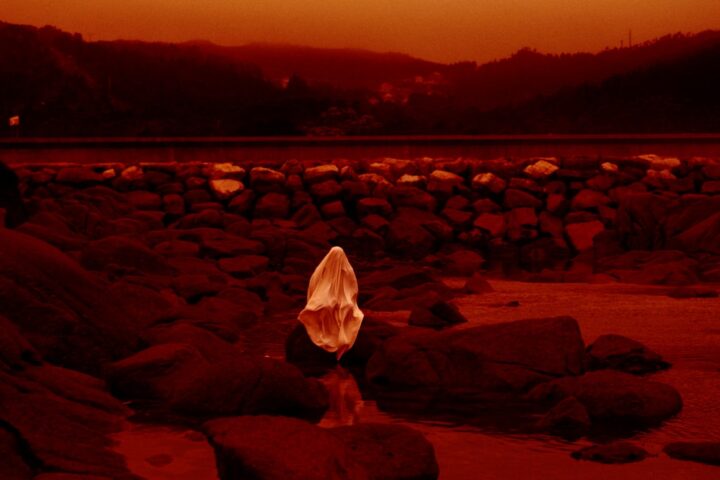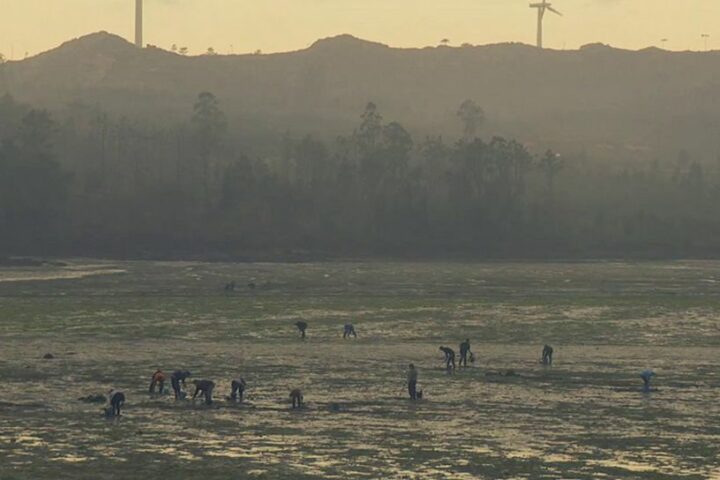
With Samsara, Lois Patiño applies his dramatized ethnographic approach to the Bardo Thodol, commonly known in the West as The Tibetan Book of the Dead. The film presents a diptych of two stories, one set in Luang Prabang, Laos, and its surrounding countryside, the other in a hamlet in Zanzibar. Patiño stresses the gulf of distance, culture, and more between the two locales by going so far as to employ separate cinematographers—Mauro Herce for the Laos segment and Jessica Sarah Rinland for Zanzibar segment. Despite the marked differences between the two halves, though, Patiño worked with local, nonprofessional actors to craft a unifying metaphysical narrative that traces the ephemeral journey of one soul through death and rebirth by finding the parallels in spiritual beliefs that link two peoples.
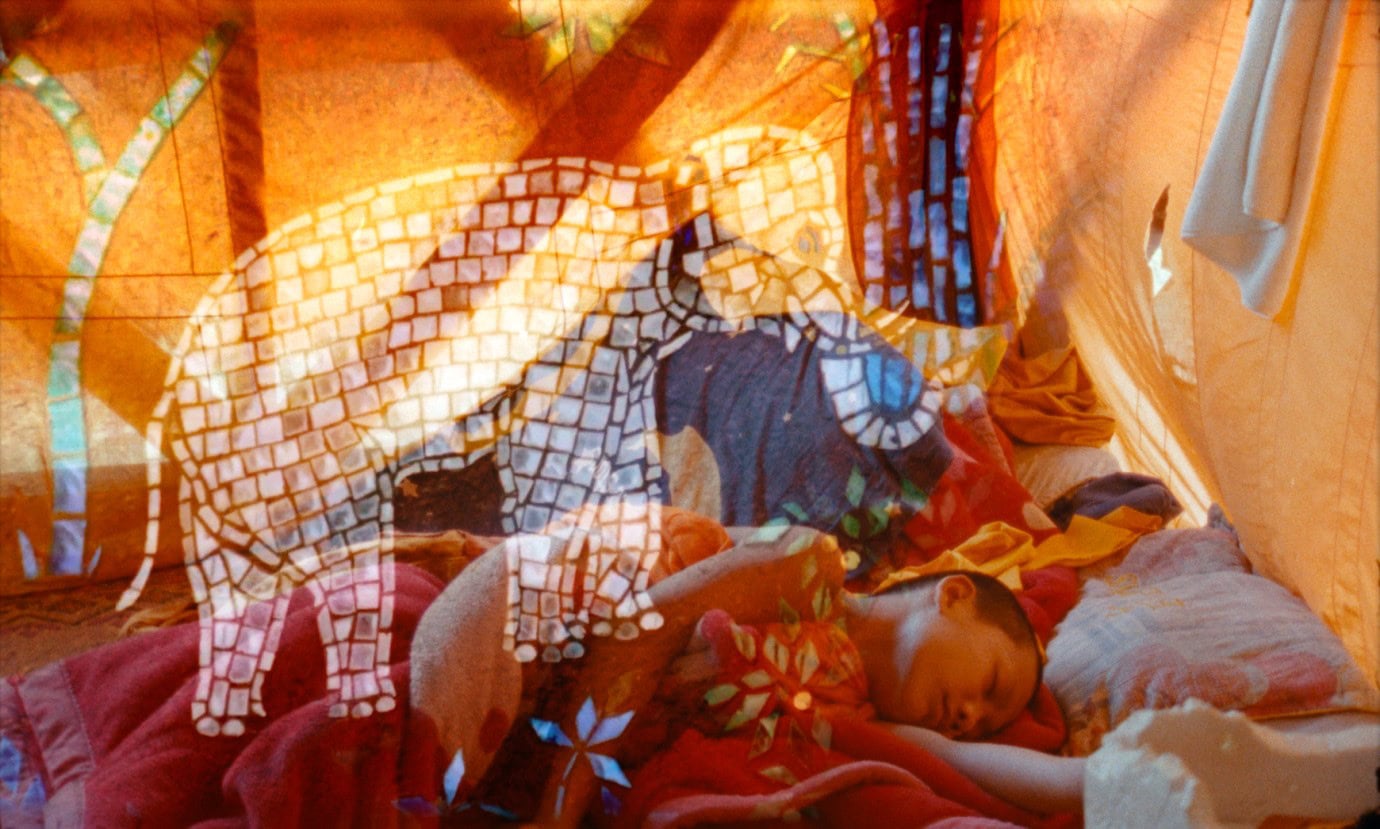
A Laotian teenager, Amid, rows out each morning to the hut of a dying old woman and reads to her from the Bardo Thodol, so as to prepare her for her next journey. Amid also regularly interacts with prospective Buddhist monks close to his own age, at one point even accompanying them on an outing to the countryside. This meditative opening section is occasionally set to superimpositions of illustrations and passages from the Bardo Thodol, emphasizing the religious practices that bond Amid and the monks, even if one of the latter points out that some of book’s teachings are inconsistent with those of Laotian Buddhism.
And yet, spiritual reflection isn’t necessarily on all of the characters’ minds. Throughout the segment, the cinematography highlights the contrasts between colors, namely between natural hues and the bright orange and yellow robes of the young monks. For all the boys’ outward adherence to custom, the trainee monks often seem less called to service than Amid does when he tends to the old woman. Indeed, most of the monks admit that they have no long-term plans to follow a monastic life; one boy speaks of going to college for computer science, while another plays videos of Laotian rappers on his phone and dreams of himself being an MC. The gentle tension between tradition and modernity is taken on its own terms, acknowledging the slow erosion of an old way of life even as certain tenets are maintained in a secularized present.
Compared to Samsara’s idle ruminations about where these young men’s lives might take them, the Zanzibar segment focuses far more on the concrete details of adult labor, be it men haggling at market or women farming and processing seaweed. In fitting contrast to the slightly hazy quality of Herce’s roving images, Rinland’s cinematography is marked by sharp textures and crisp framing. The dialogue throughout the segment is also more direct, particularly among the women, who talk freely of the grueling demands of their work, their men’s unwillingness to do it, and the impact of industrialization on their farms. The stark contrast in tone with Samsara’s first segment doubles down on the notion that life goes on, that even if our spirits re-manifest in a physical body, we must learn to navigate our surroundings all over again.
We arrive in the African archipelago from Laos via a 15-minute sequence in the film’s middle in which the old woman who Amid sees every morning dies and is reborn as a goat. Patiño tees up this moment with a text crawl instructing us to close their eyes, at which point a complex soundscape of drones and ambient sounds are set to a series of colored stroboscopic lights. The effect of all the flashing and pulsing is extraordinary: What might otherwise be just full frames of brightening and dimming color become warped and formless through shut eyelids, adding a new wrinkle to a longstanding fixture of experimental cinema. This bravura showstopper is another breakthrough in Patiño’s ongoing efforts to complicate docufiction approaches with otherworldly reveries meant to communicate states beyond our immediate reality.
Since 2001, we've brought you uncompromising, candid takes on the world of film, music, television, video games, theater, and more. Independently owned and operated publications like Slant have been hit hard in recent years, but we’re committed to keeping our content free and accessible—meaning no paywalls or fees.
If you like what we do, please consider subscribing to our Patreon or making a donation.