The album effectively allows listeners pick their favorites mixes and create their own playlist.



Steve Erickson lives in New York and writes regularly for Gay City News, Cinefile, and Nashville Scene. He also produces music under the name callinamagician.
The album effectively allows listeners pick their favorites mixes and create their own playlist.

While the album may play it a little safe, it also smartly plays to the rapper’s strengths.

The album’s production style keeps whatever passes as emotion in Poppy’s world at a slight remove.

The airbrushed pop singer constructs a world of exaggerated femininity without drowning in irony.

The songs flit from one style or tone to the next, mirroring the mental states of the singer’s characters.

Like the singer herself, the album resists convention and refuses to be pinned down.

The album lingers in an in-between space that doesn’t fully embrace either noise or pop.

This joyful, vibrant album serves as a sonic and thematic counterpoint to The Loneliest Time.

Though it features some rousing dance-pop, the album never quite rises to the promise of its title.

The singer’s debut album is bound to make listeners feel a sense of unpleasant voyeurism.

The album is rooted in anger, but the more melodic passages express it without becoming trapped by it.

The album emphasizes the rapper’s Atlanta heritage by harkening back to both his past and Southern rap.
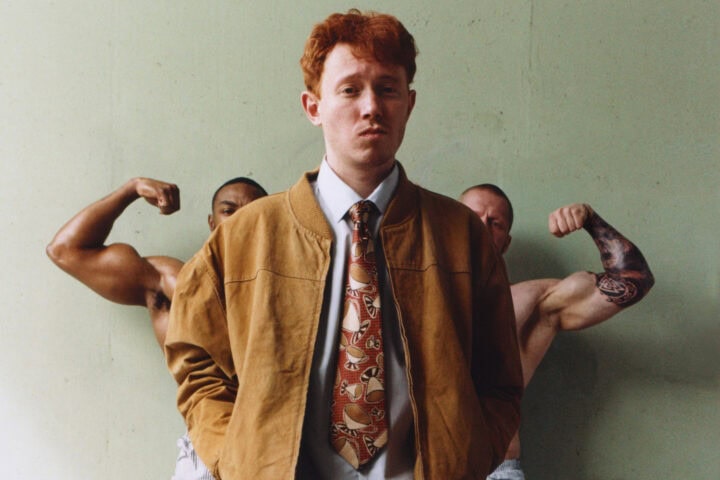
The music is notably grimmer than the lyrics, but even its lyrical themes return again and again to the subject of isolation.

The rapper and drummer’s music is a modern, often jarring synthesis of hip-hop and jazz.

The Chicago producer turns Footwork’s influences and spins them into something that sounds like a totally new language.

Despite Feist’s talents as a musician, her latest fades too easily into the background.

The album feels more defined by genre than the band’s past work, but the anger running through it is contagious.

The experimental musician’s debut album testifies to the liberating potential of making a racket.

The British rapper embraces a caffeinated punk sound that suggests a cross between Cockney Rejects and Dizzee Rascal.

While the album fits neatly into the indie-pop landscape, its songs don’t rely on repeated hooks, unfurling organically.