Lund discusses how Wiseman, the legacy of baseball movies, and criticism influenced Eephus.



Marshall Shaffer’s interviews, reviews, and other commentary also appear regularly in Slashfilm, Decider, and Little White Lies.
Lund discusses how Wiseman, the legacy of baseball movies, and criticism influenced Eephus.

The film is an empowering narrative of one woman who refuses to see age as a ceiling.

BLKNWS zooms across the screen, propelled by the volume and velocity of its ideas.
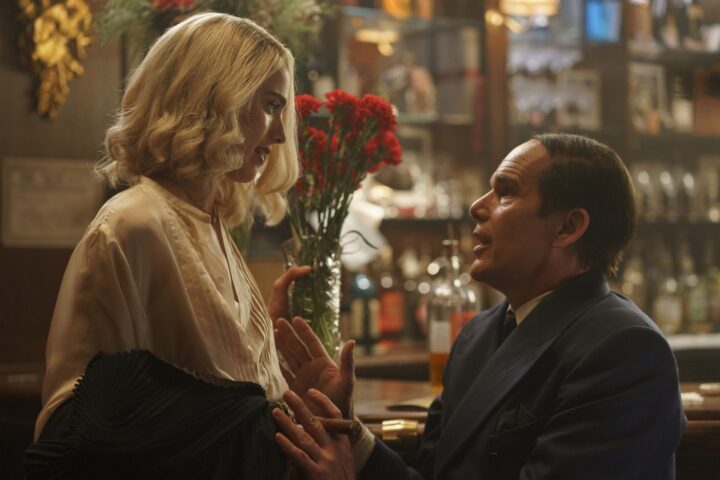
Blue Moon trusts that we want to engage with subjects that matter through deliberate dialogue.

The film is stitched together from a seemingly endless money shots and stylistic flourishes.

Lurker makes use of exaggeration and escalation to tell a fable about modern fame.
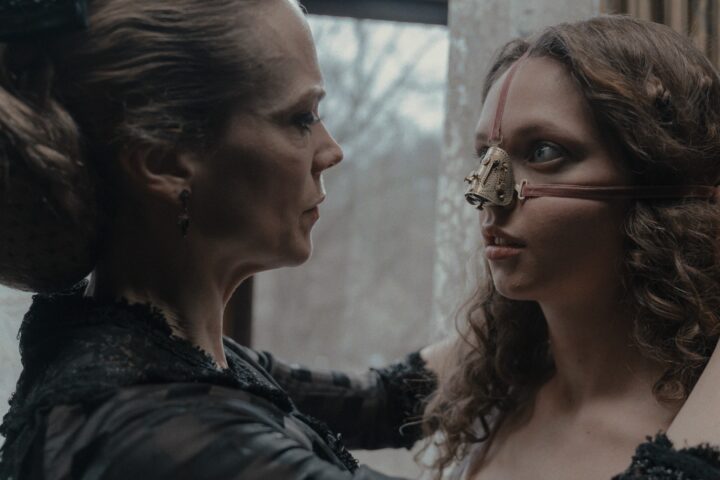
The film’s style is measured, not just maximalist, when it comes to body horror.

By the time it reaches its close, Hot Milk has long since spoiled into something rancid.
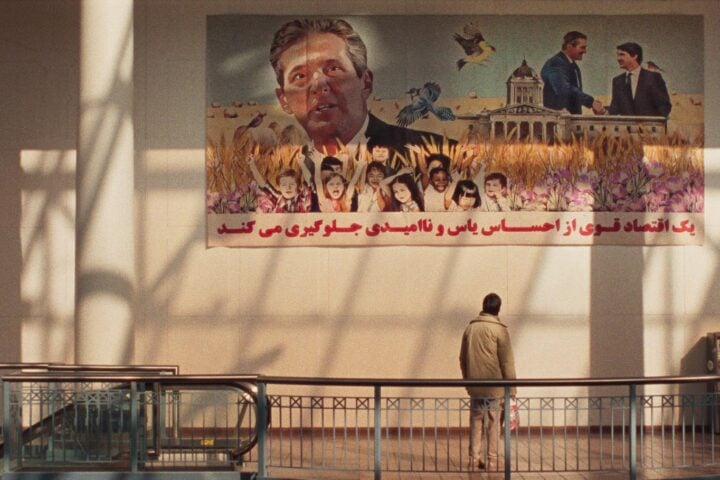
Rankin discusses why he rejects the idea that fakeness in cinema is inherently bad.
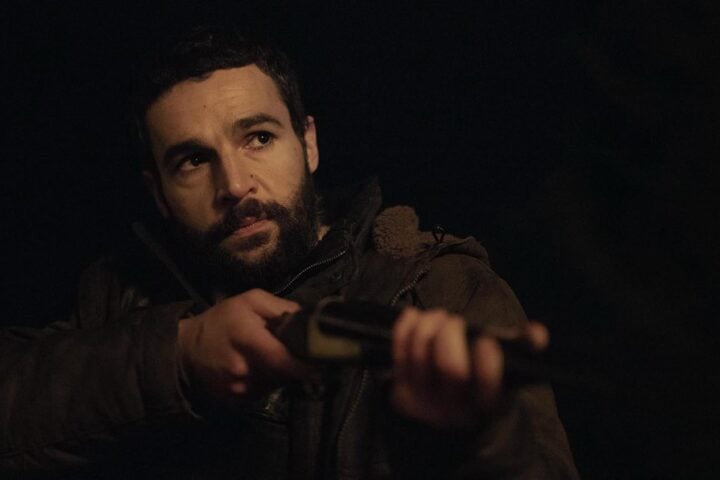
Abbott discusses the merging of character and self and how the film fits into his career arc.

The film is a tonal rollercoaster navigating wild swings with pinpoint precision.

This Wedding Banquet has more on the table than broad gags.
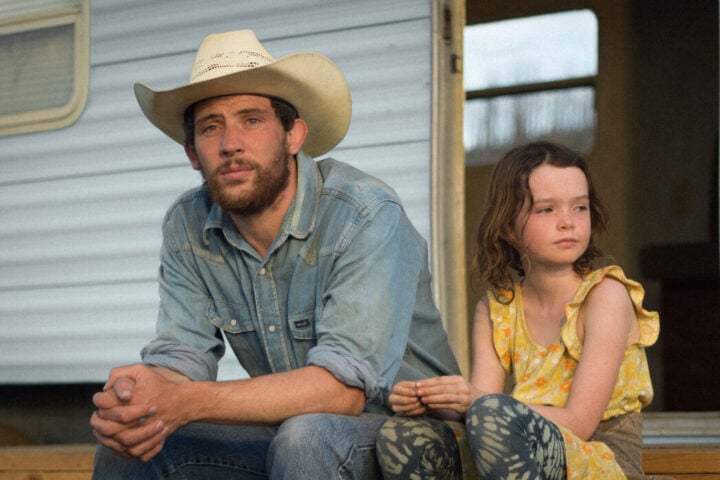
Rebuilding captivates as it finds contentment sitting in the silence and stillness of a scene.

A simplicity of spirit guides writer-director Isaiah Saxon’s fable-like feature debut.
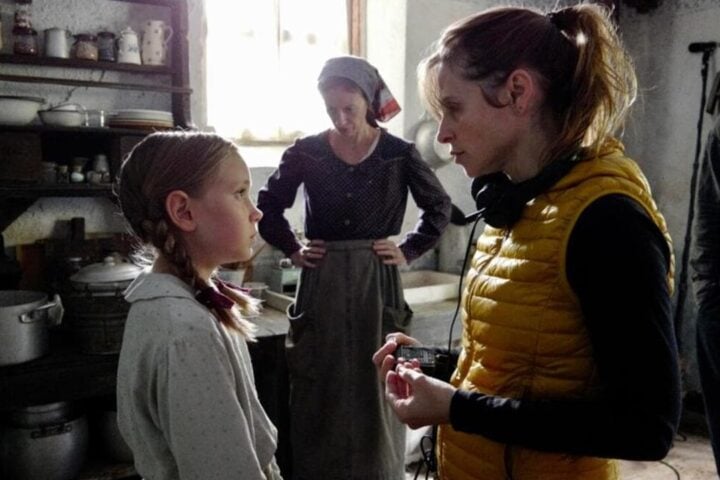
Delpero discusses what she hopes spending time in a bygone era offers to modern viewers.

Blumberg discusses developing the film’s main musical themes, his collaborators, and more.
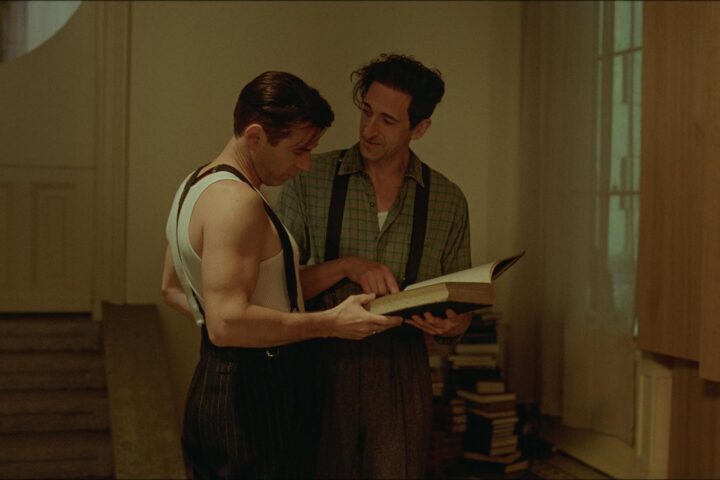
Nivola discusses where he saw connections to his own life in Brady Corbet’s film.

Ross discusses how he and his collaborators pushed forward the idea of point of view.
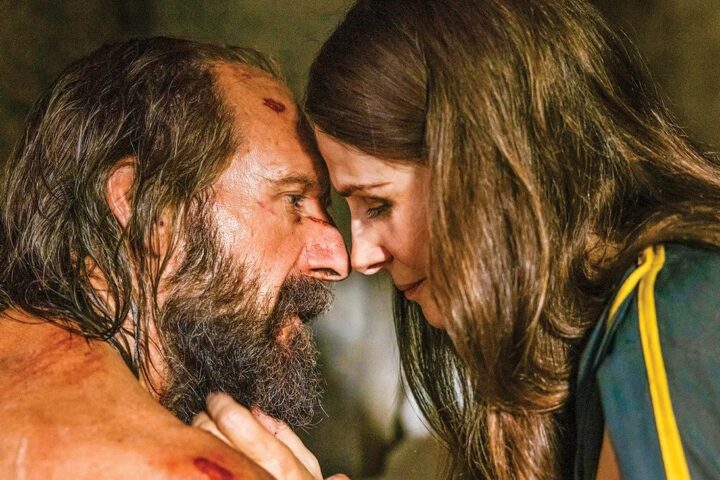
Pasolini leverages little in the way of words to tell his version of the story.

Rasoulof discusses his resolve to keep telling stories in the wake of his multiple imprisonments.