The film offers some illuminating context in which to fully appreciate John Lennon’s solo albums, especially Double Fantasy.



Kenji Fujishima is a film and theater critic, general arts enthusiast, and constant seeker of the sublime. His writing has also appeared in TheaterMania and In Review Online.
The film offers some illuminating context in which to fully appreciate John Lennon’s solo albums, especially Double Fantasy.

Sometimes the commentary illuminates an image, providing historical context or enlivening it with a humorous aside.

An intellectual achievement rather than a visceral or emotional one.

Naturally, because the film is so single-mindedly focused on Ceaușescu from the outside, psychological insight is limited at best.

Departures is still just about potent enough to leave us with lingering questions.

Gomorrah probably is an important film, for the stories it tells, the conclusions it reaches, and the realities it evokes.

Are there any human truths to be gained from watching this sordid roundelay play out to its bitter end?

Pierrot le Fou, of course, abounds in a wide variety of artistic references.

The film mostly lives in the present, delving into history only on a personal level.

The film is likely to be embraced by its boosters as a modern embodiment of the Italian neorealist style.

The film makes an impassioned, angry case against the practice of torture that has become commonplace in interrogations post-9/11.

My obsession with David Byrne and company, as so often happens with me, started with a movie.
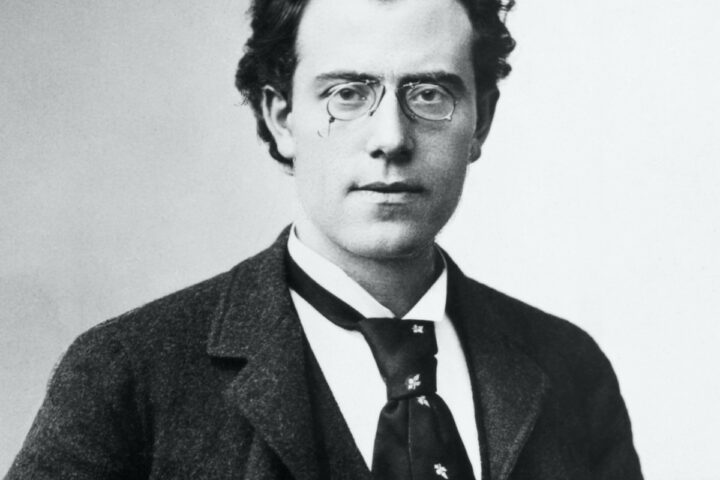
What? you may be asking. A symphony—especially one that runs nearly 90 minutes long? And why Mahler?
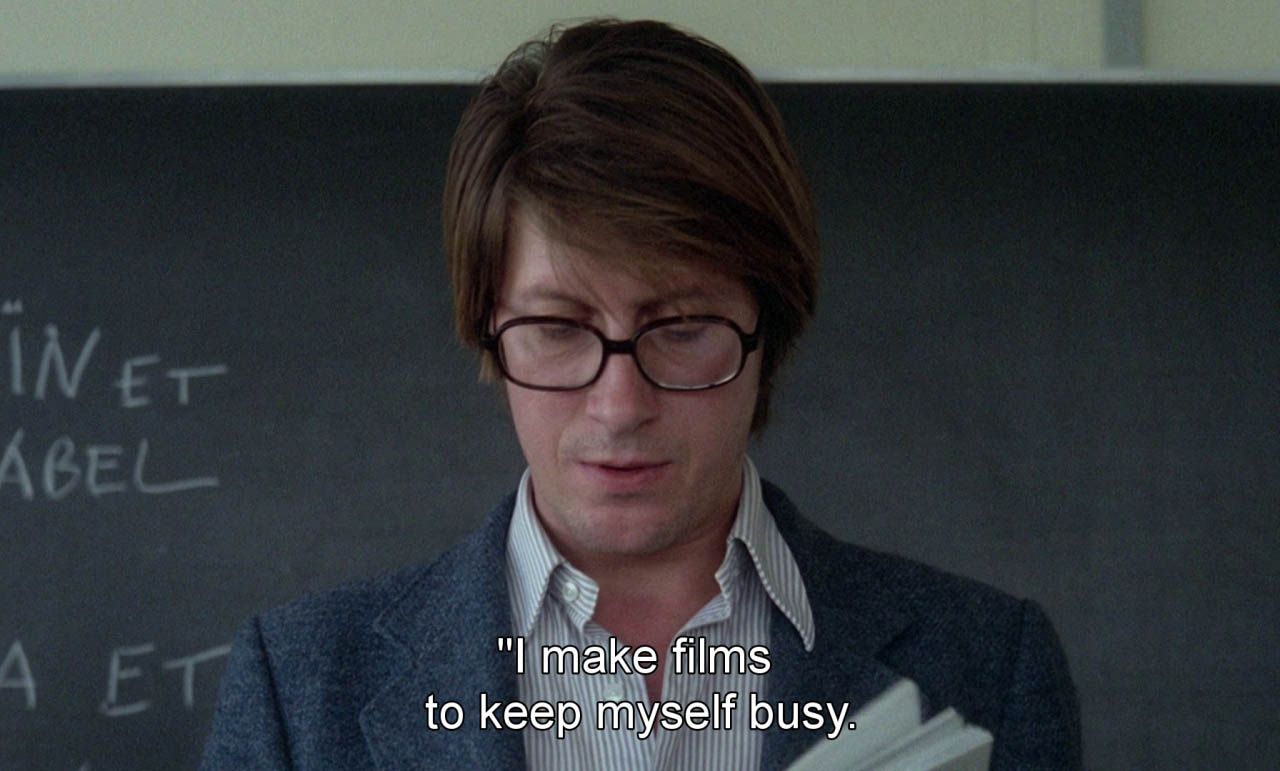
Let us consider Tarantino’s upbringing for a bit.

When one thinks of parody, one might immediately think of blitzkrieg spoofs like the Mel Brooks movie satires.

I think I have sufficiently established the ways in which Godard and Tarantino are similar as artists.

Ultimately, the broad question I would like to pose is: is Tarantino really a Jean-Luc Godard of the 1990s and today?

I think everyone has their personal daydream canon.
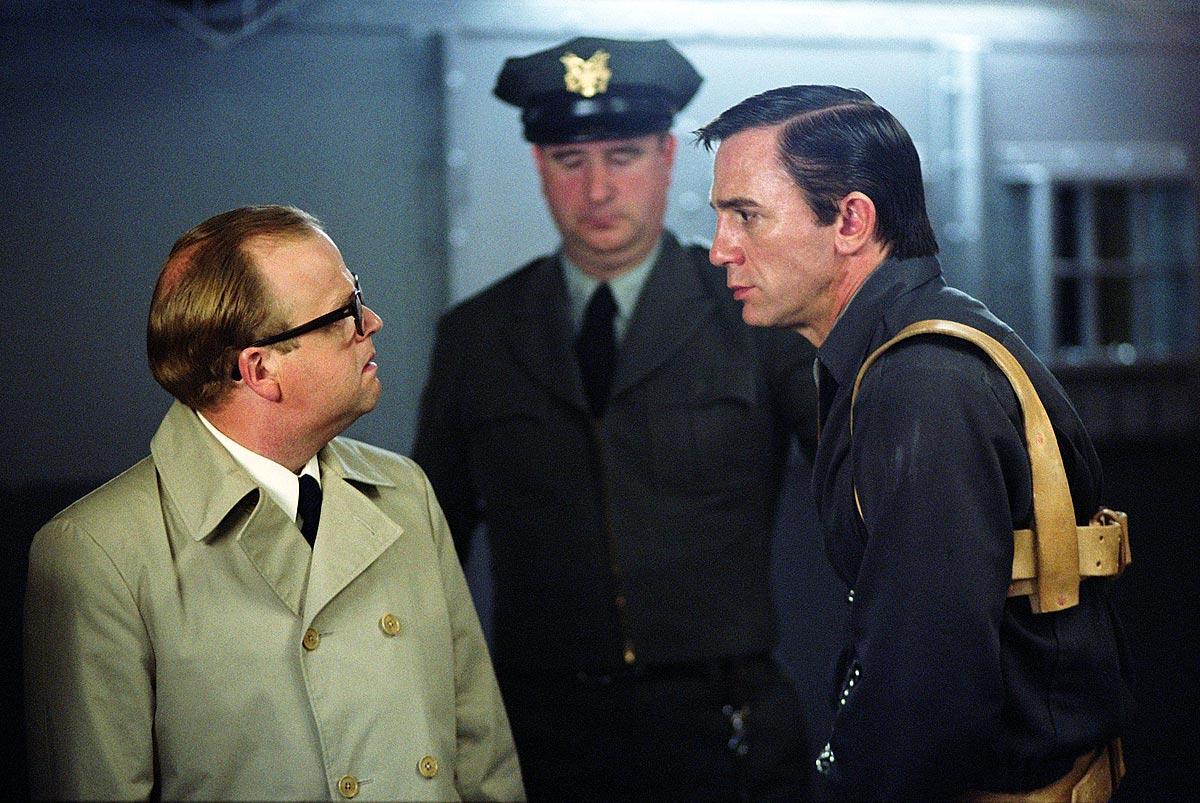
Infamous takes a more complex approach to exploring Truman Capote’s disintegration than Bennett Miller’s Capote.
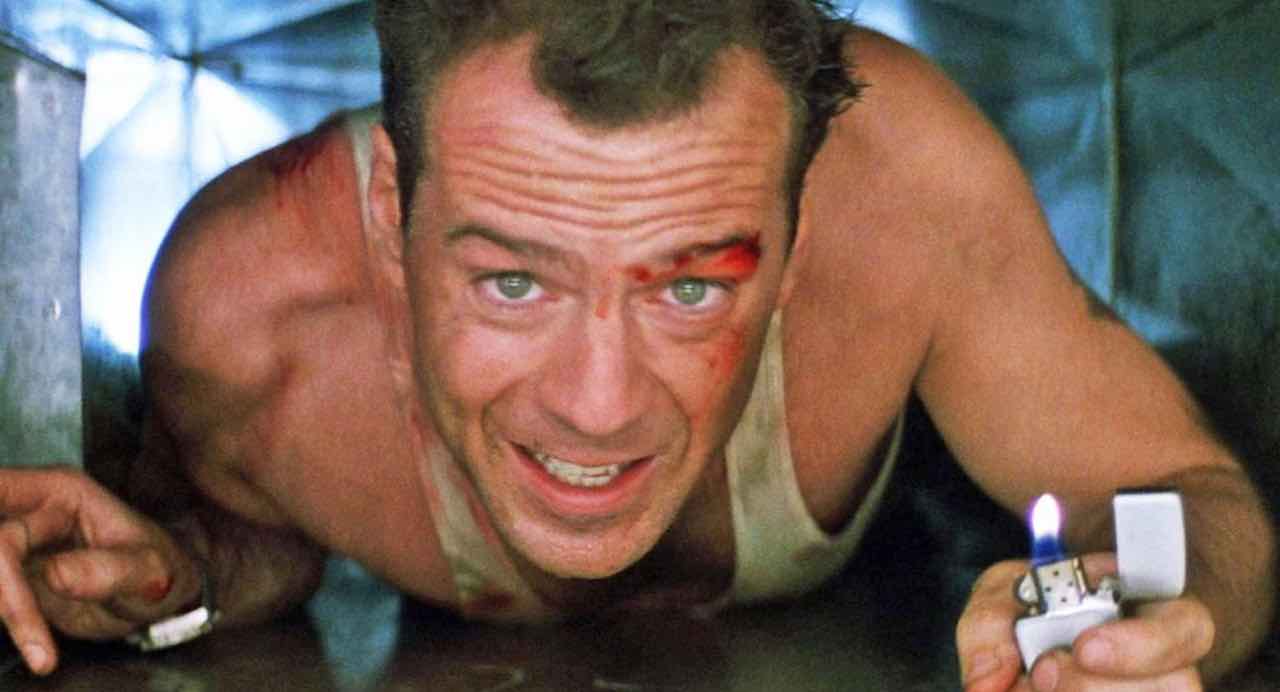
Die Hard is, in a way, three movies in one.