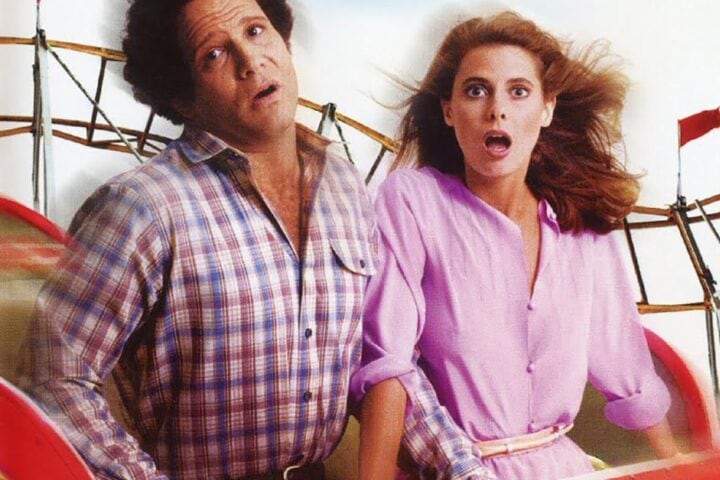
People in Frank Tashlin’s movies often become extensions of their material possessions, and the irony of the merchandising cuts both ways.



Fernando F. Croce is a San Francisco-based film writer whose work has been published in Film Comment, Reverse Shot, MUBI, and Fandor. He runs the website CinePassion.
People in Frank Tashlin’s movies often become extensions of their material possessions, and the irony of the merchandising cuts both ways.

The film functions as both an exultant example of American vulgarity and a leveling thrashing of it.
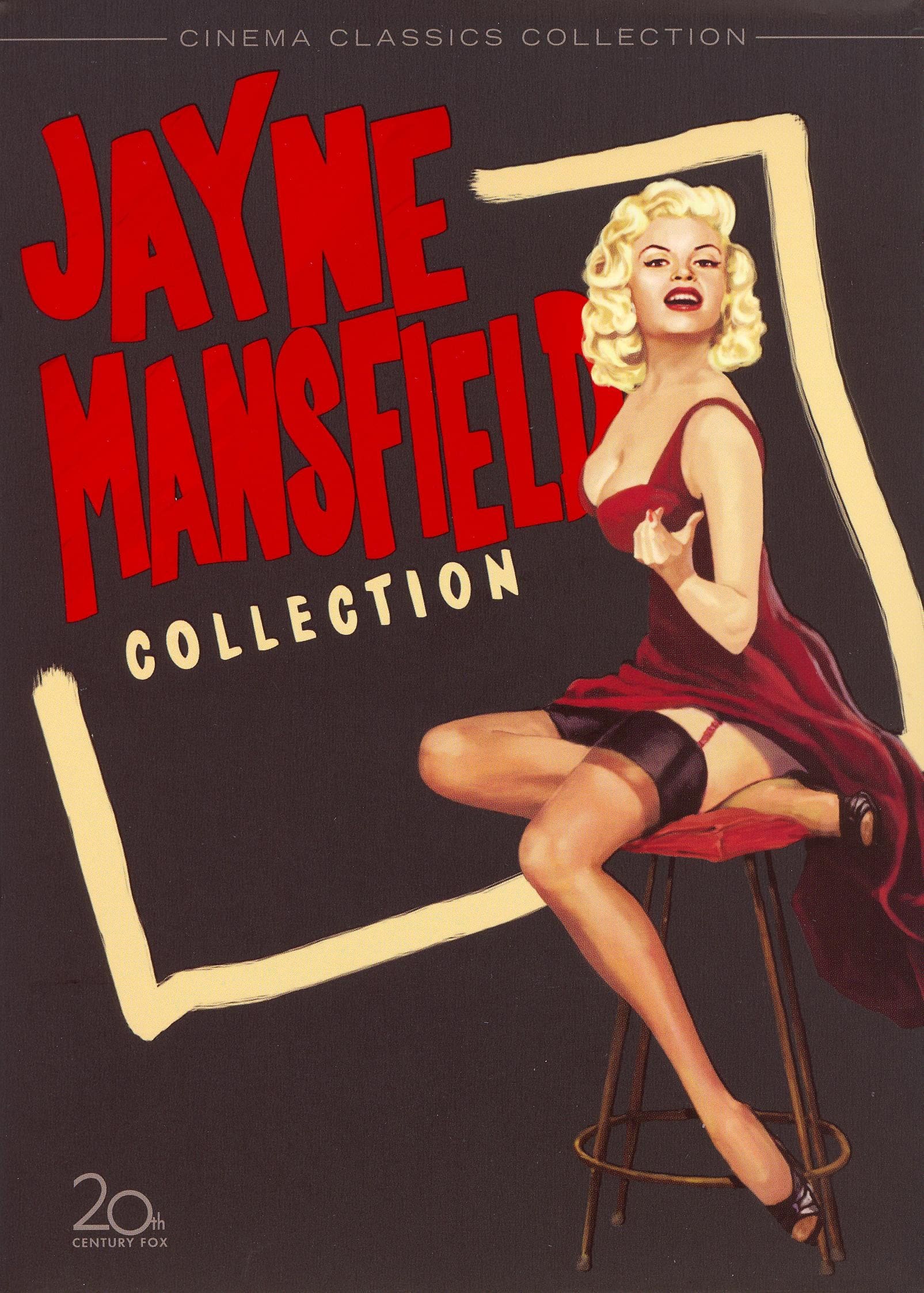
Every decade has the icon it deserves.

To the film’s credit, the inevitable third-act competition is staged to bring forward the absurd humor that eluded Days of Thunder.
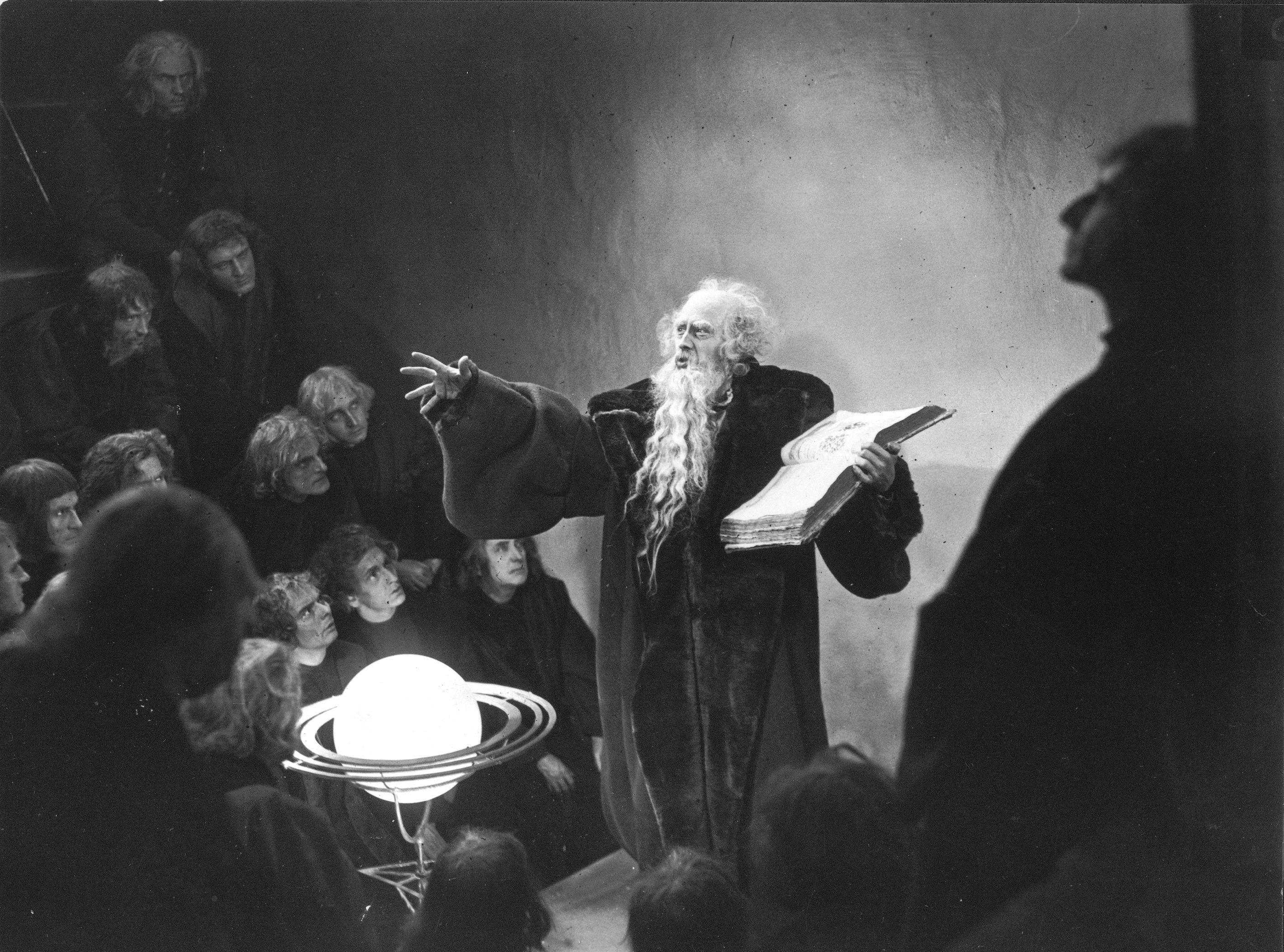
It’s no coincidence that a book-length study of its stylistic wonders of was later written by another believer in cinema’s theatricalization of reality, Eric Rohmer.
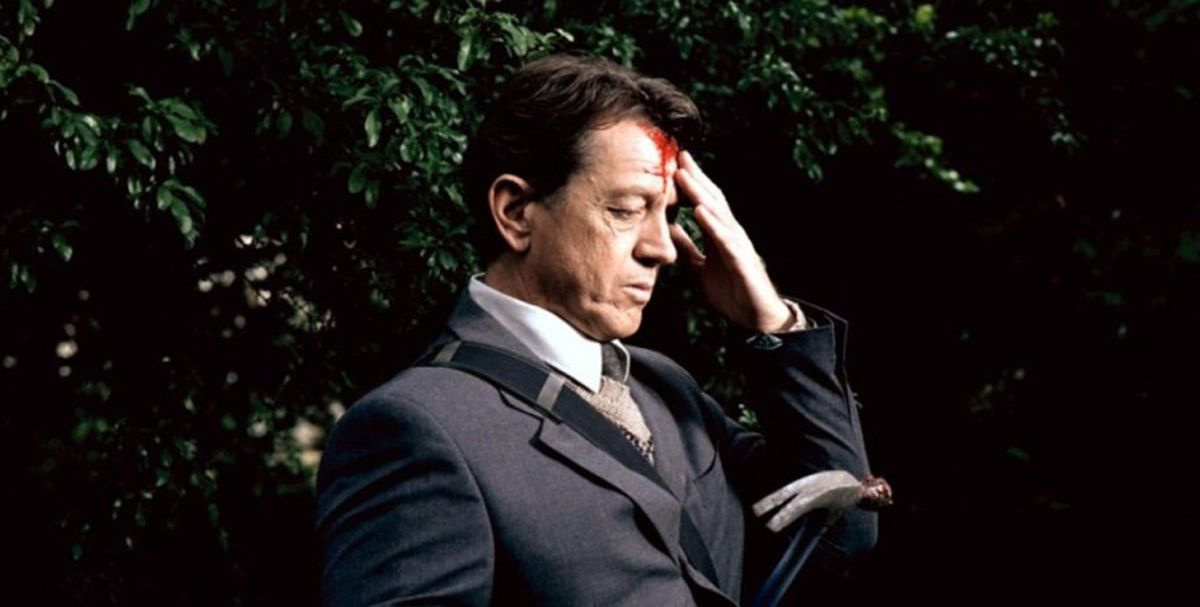
The kooks in That Day tenderly cultivate their insanity as if tending to exotic flowers.
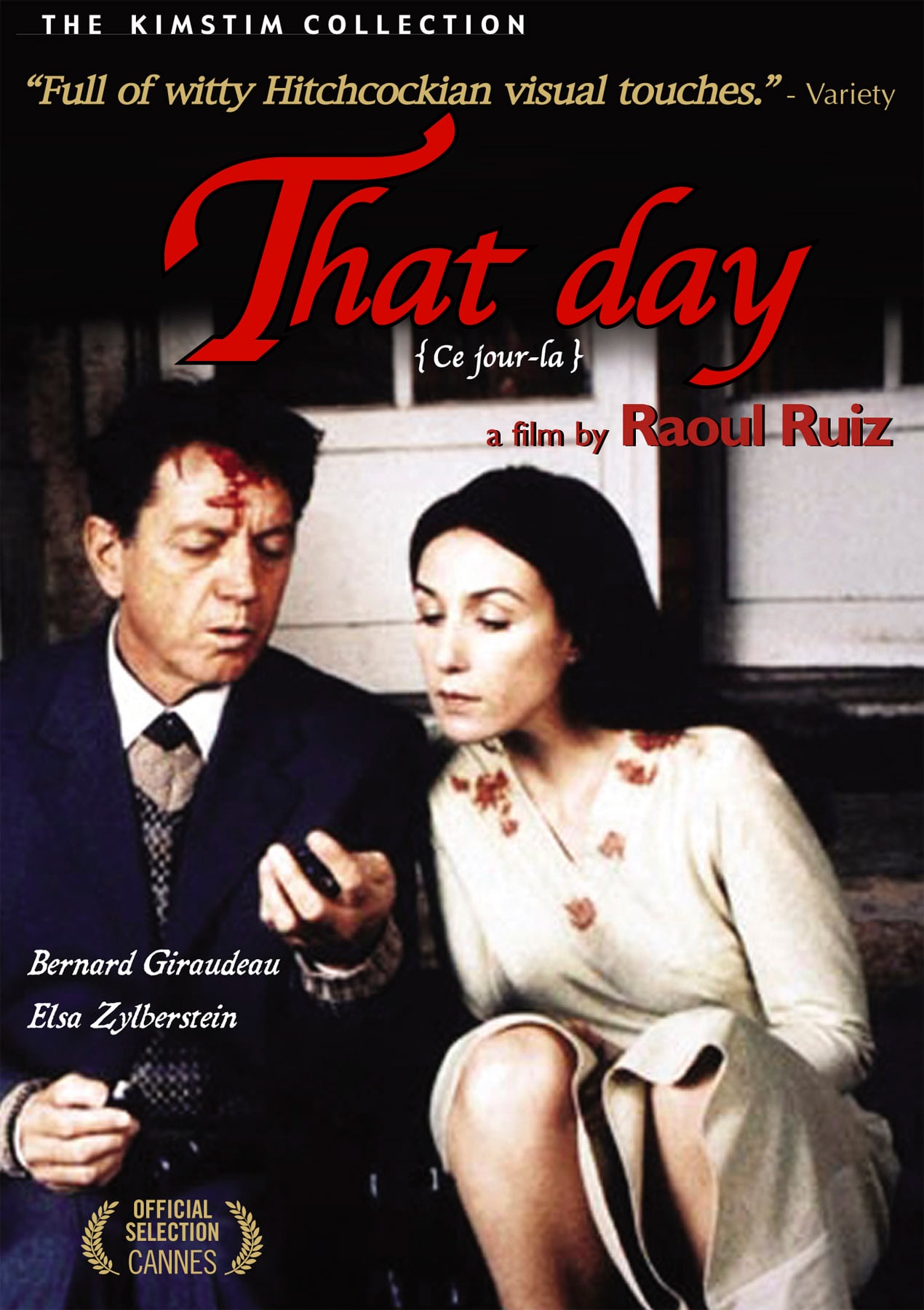
A cinematic jest so airy you only afterwards notice how macabre it is.
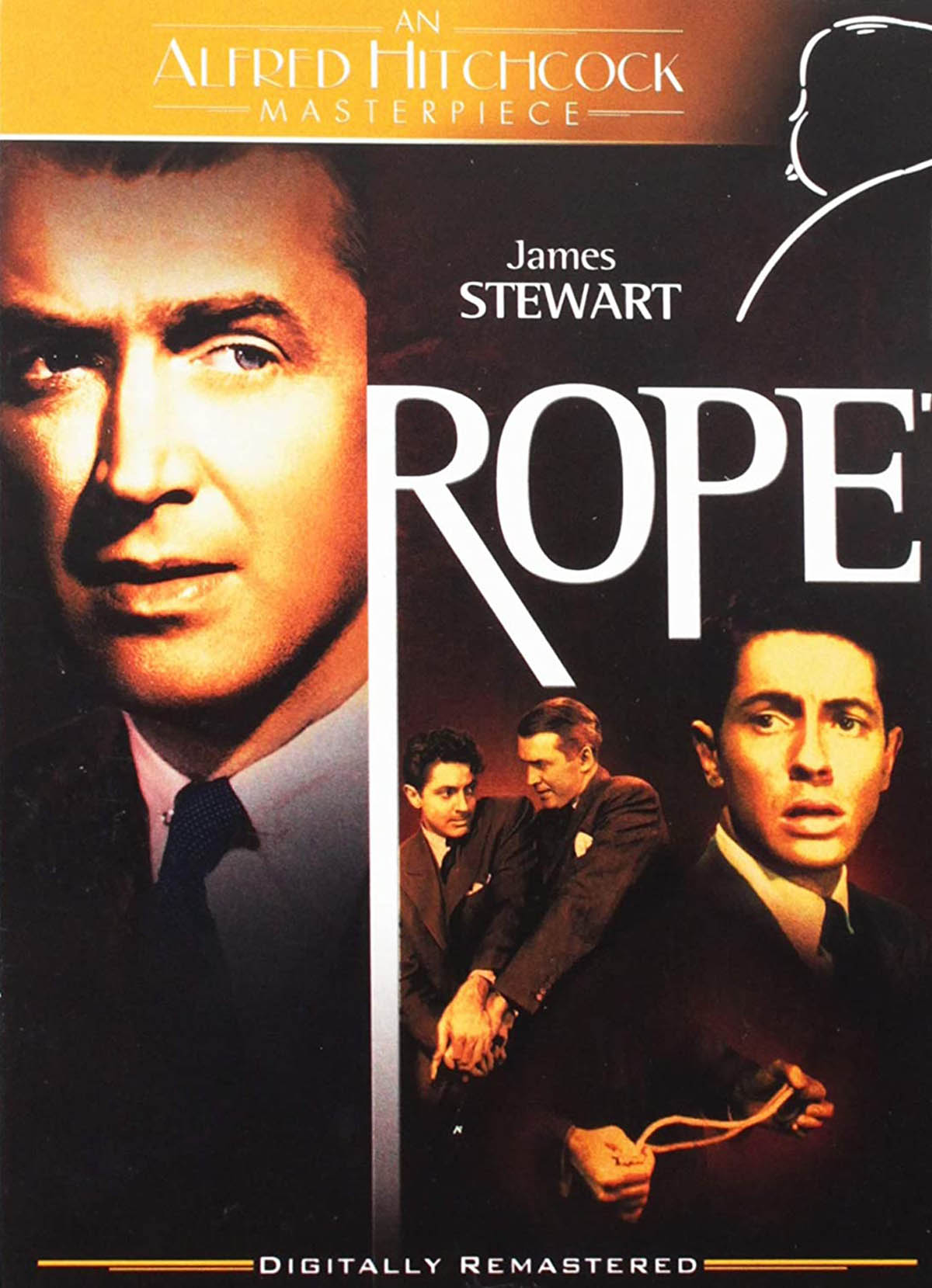
Hitchcock’s experiment goes beyond look-ma-no-cuts stunt and into a suffocating moral inquiry.
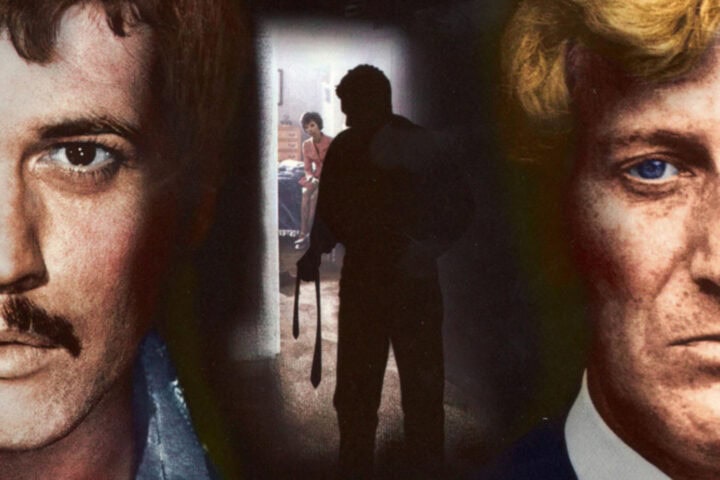
Family Plot may be Hitchcock’s official swan song, but the nasty, nasty Frenzy is the real last hurrah.

The elephant in Rope’s posh Manhattan apartment isn’t the strangled corpse stashed in a trunk.
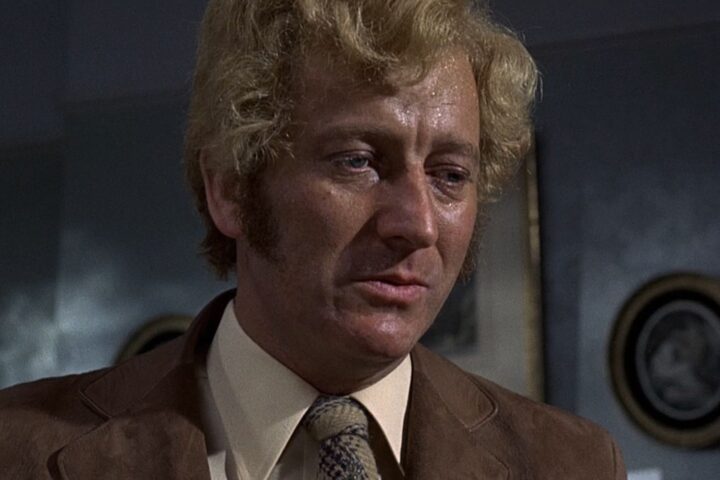
Frenzy is easily the strongest of Alfred Hitchcock’s final works.

There are more than enough corpses to fill a cemetery once the smoke clears in the film.

The film is a scalding entry in Fukasaku’s gallery of raw yakuza bulletfests.

With Distant Voices, Still Lives, Terence Davies exults cinema’s transformative powers past, present, and future.

Despair comes too easy to Devarim, but it should be seen by anyone interested in Gitai’s still-underrepresented oeuvre.
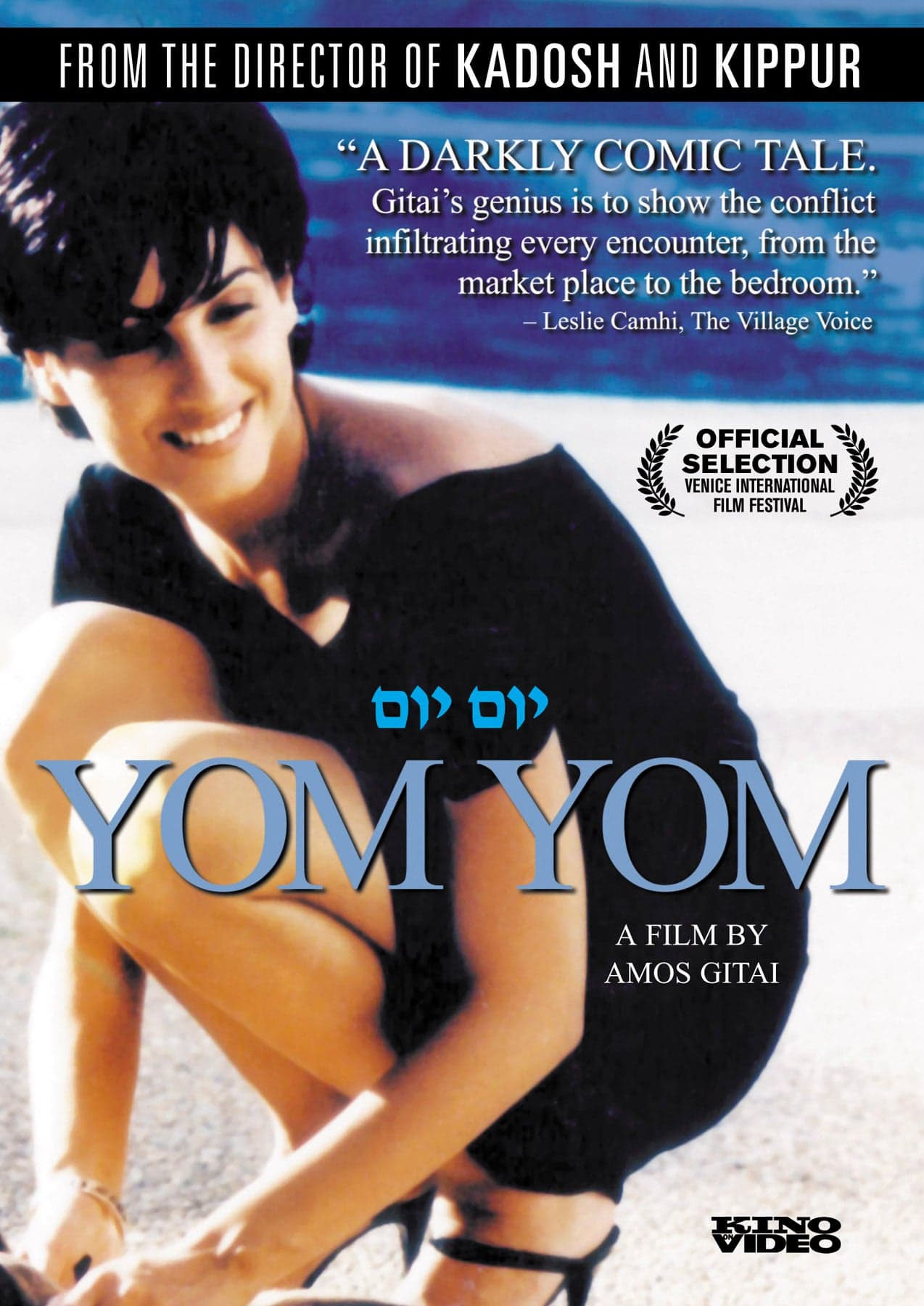
Gitai’s questioning rigor, unexpectedly seasoned with some wry humor, makes his ode to uneasy multiracial union worth at least a rental.

Amos Gitai’s aim is not so much to streamline the volatile political realities around him as to photograph the conflicting seams.

The second chapter in Amos Gitai’s “City Trilogy” boasts a wry buoyancy absent from Devarim and Kadosh.

Everywhere you went at the 49th San Francisco Film Festival you could feel a song coming on.
A piercing ego-autopsy disguised as vanilla ’80s comedy.