The kids are all right, but none of them has the charisma or self-confidence to hijack the meandering narrative.



Elise Nakhnikian has written for Brooklyn Magazine and runs the blog Girls Can Play. She resides in Manhattan with her husband.
The kids are all right, but none of them has the charisma or self-confidence to hijack the meandering narrative.

Natalia Almada captures the rhythms of daily and nightly life in a Sinaloa cemetery in a quiet flow of images that gains power with surprising speed.
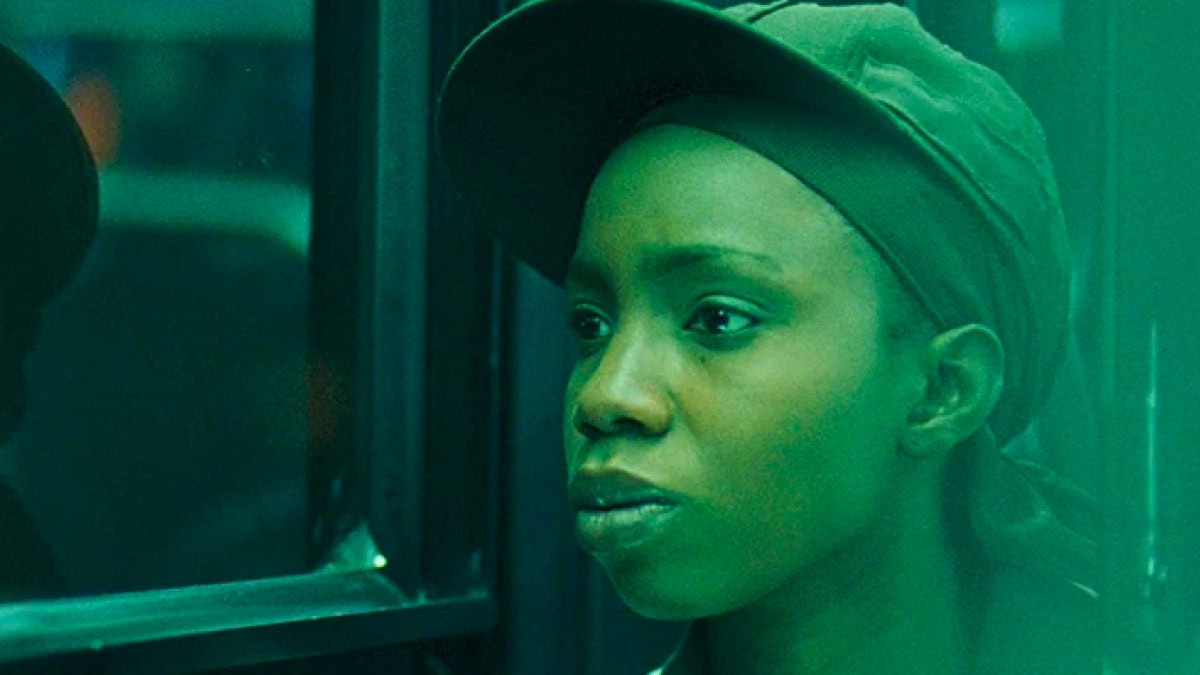
Specific? Sure. But there’s nothing small about this deeply felt coming-of–age story.

She was in person as she is on screen: smart, self-confident, empathetically responsive to others, and prone to joyful bursts of laughter.

The Karski Report is filmmaking stripped down to one of its most basic roles: historical record.

An appealing little oddball of a movie, Septien is ironic yet genuinely sweet.

Like most omnibus movies, Revolución is uneven and sometimes underdeveloped.

The characters and motivations are often muddy, but the message is always clear in We Are What We Are.

Another Year is a tale of haves and have-nots—those who are touched by grace and those who are not.

The rhythm of the gym dictates the rhythm of the film.

Just about everyone plays second fiddle to the costumes and set design that are Taymor’s trademark.

And the prize for most ironic title at the New York Film Festival goes to…My Joy.

Poetry nudges us a bit too hard every now and then, mostly when a kindly poetry teacher lectures his class about learning to truly see.

Spike Lee generally refrains from stacking the deck in favor of one side or the other, presenting the evidence and the analysis and letting us make up our own minds.

Nanny McPhee Returns follows the honorable tradition of the best of England’s children’s literature.

As Akira tells a sympathetic cashier at the grocery store where he shops, “it was an awful mess.”
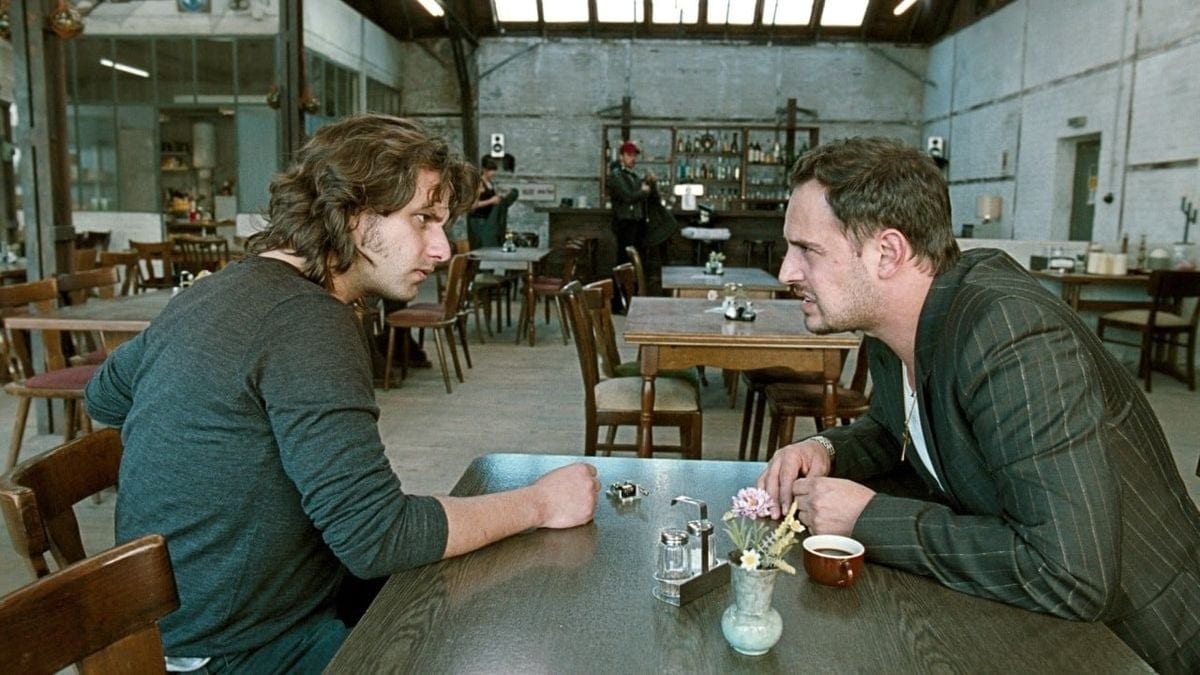
Soul Kitchen wants to be a light comedy about a good guy who gets a series of bad breaks.

A well-done character study can teach us a lot about how someone else thinks and experiences the world.

Gangster movies usually come in one of three flavors.

Who needs perfection when you’ve got this much sheer, joyful grace?