Its artistry is so unadorned, for better and worse, that the performances somehow feel more naked as a result.



Ed Gonzalez is the co-founder of Slant Magazine. A member of the New York Film Critics Circle, his writing has appeared in The Village Voice, The Los Angeles Times, and other publications.
Its artistry is so unadorned, for better and worse, that the performances somehow feel more naked as a result.

Jóhann Jóhannsson’s score is just one of many elements that conjure a relentlessly terrifying realm of despair.

Craig Zobel’s film squanders the promise of its scrutiny into how people recalibrate their sense of morality in times of crisis.

It merely exudes an aura of cheap manipulation by which the audience is simply asked to rank the film’s characters on a d-bag scale.

A relentless stream of twists and turns that exude neither imagination in their craftsmanship nor moral revulsion in their implications.

Its triumph is primarily a matter of style, a visionary revelation every bit as expressionistic as its main character’s electric sense of shade.
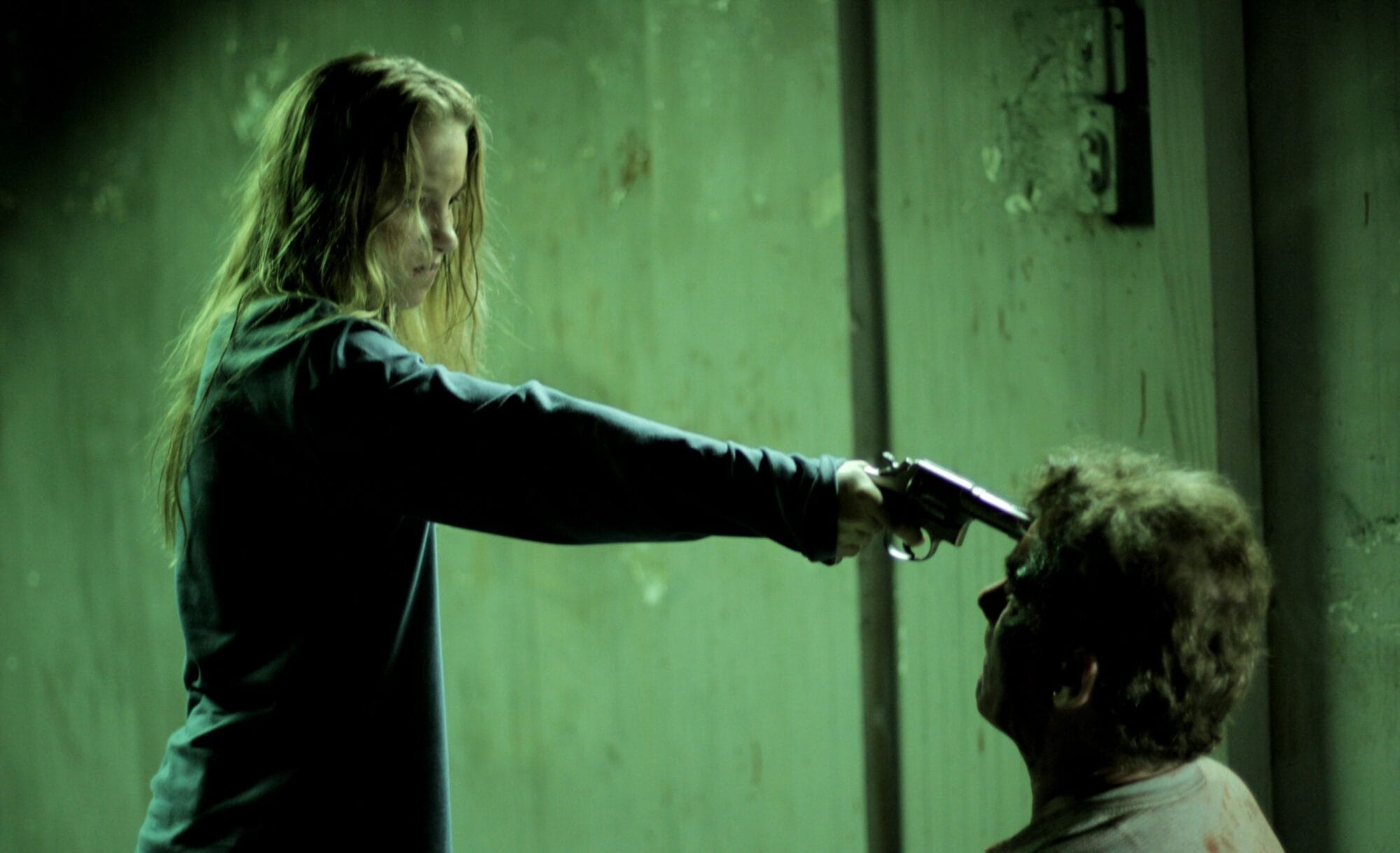
It trivializes victim trauma by treating its main character’s best-laid plans as punchline fodder.

It’s a mess of styles and mixed signals, a pulp fiction that mostly tend to its loyalties to other cine-odysseys through the streets of L.A.

Simply abiding by the law of “just becauses,” Chapter 3 is often content to wink at the ways the first two films spooked audiences.
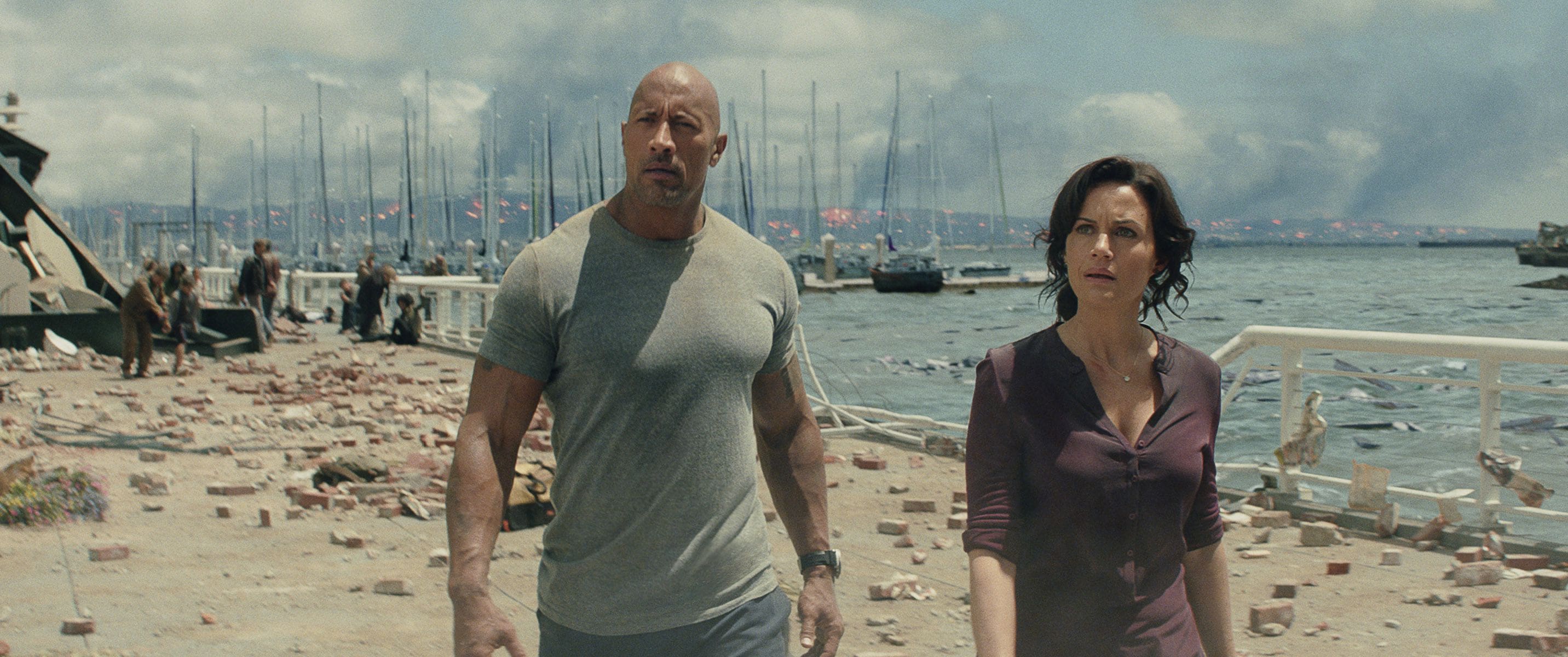
In the film, the biggest earthquake in recorded history is less natural disaster than divorce negotiation process.

A pageantry of pseudo-art poses, a self-consciously cool reorientation of the western as silly symphony.
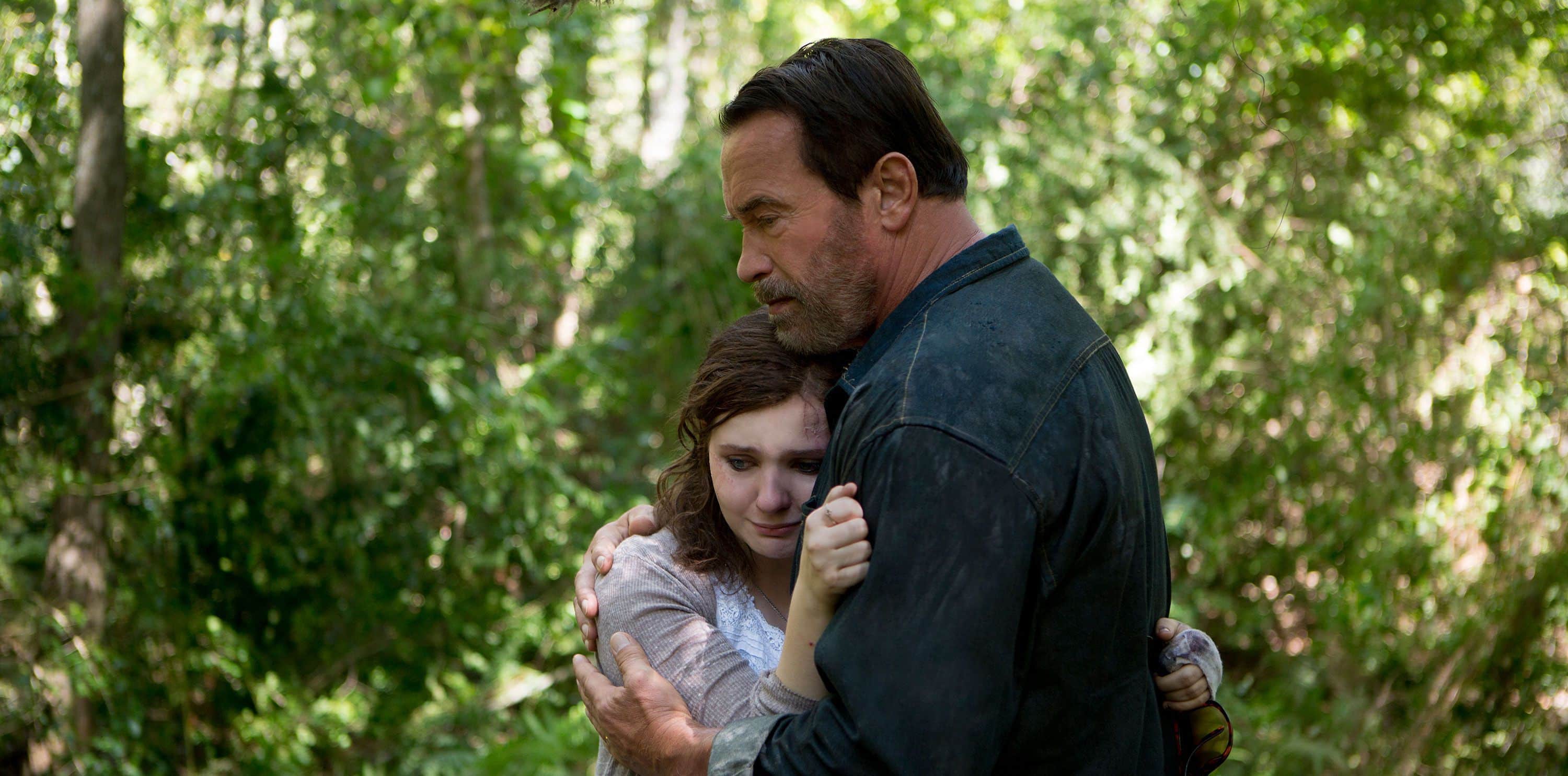
Its only claim to uniqueness becomes running the standard zombie narrative through a Hallmark-card filter.

Throughout, Helen Hunt obsequiously tends to her character’s evolution as a parent through a flagrant indulgence of sitcom-ish scenarios.

Less a sincerely kooky elegy to lost time than a slightly off-kilter acting out of familiar rom-com bona fides about missing out on life.

It conveys life experience to such a sentimentalized degree that the world comes to resemble only the sham of a Norman Rockwell painting.

It’s at once devoted to corroborating and casting an exaggerated light on Soviet paranoia and the state’s rhetoric of unmasking its enemies.

If all a movie needed was a boy with abs and a gun (or slingshot), then Beyond the Reach would be a masterpiece.

A tangle of violent, symbolic gestures that regards economic exploitation with fetishistic, impossibly overdetermined abandon.

The film’s relentless turning of its characters’ experience into platitudes and homilies is served for our too-easy consumption.

Alex Garland may not be in the business of selling us toys, but his itemizing of ideas has an equally dumbing-down effect.