Drake Doremus’s film is an inert, thinly plotted melodrama premised on trite characterizations that would be offensive if they weren’t so absurd.
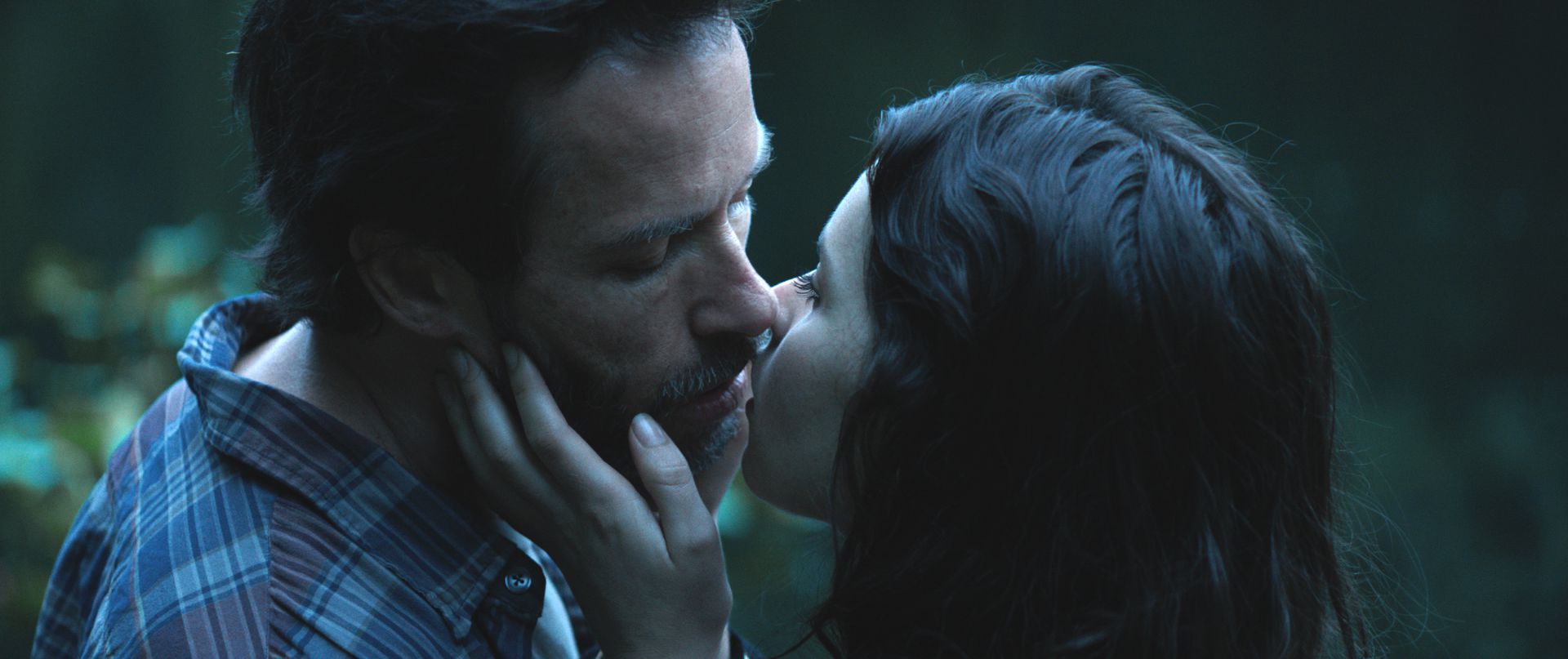


Drake Doremus’s film is an inert, thinly plotted melodrama premised on trite characterizations that would be offensive if they weren’t so absurd.

An energetic but paper-thin genre exercise, filled with pleasant riffs on the standard heist flick, but ultimately lacking in payoff.
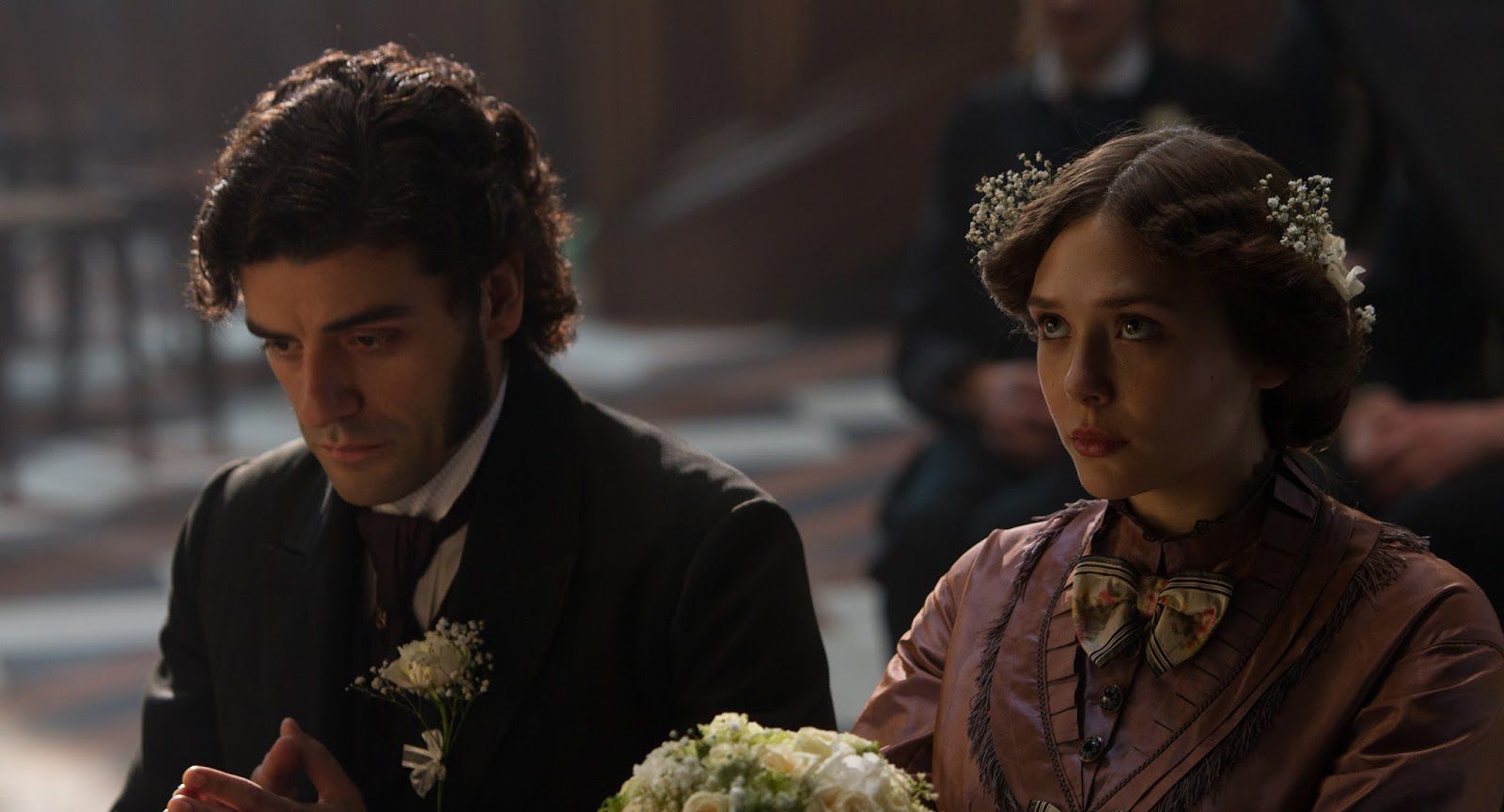
A broad, crude mutilation of Emile Zola’s noirish romance Thérèse Raquin that prioritizes heavy petting over plot.
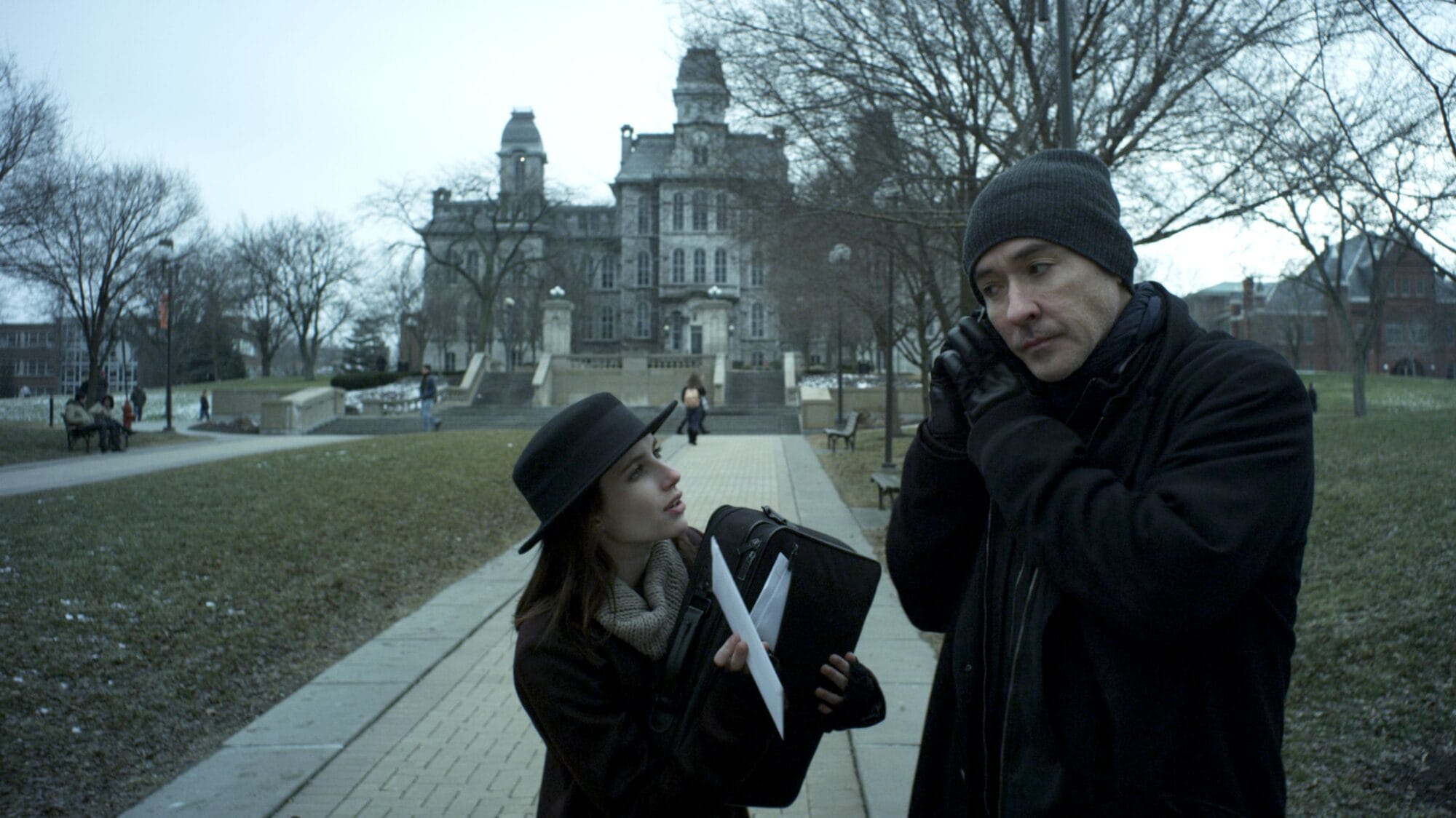
The title of the film is a pretty obvious double entendre, but it does efficiently convey the good intentions behind this scattershot production.
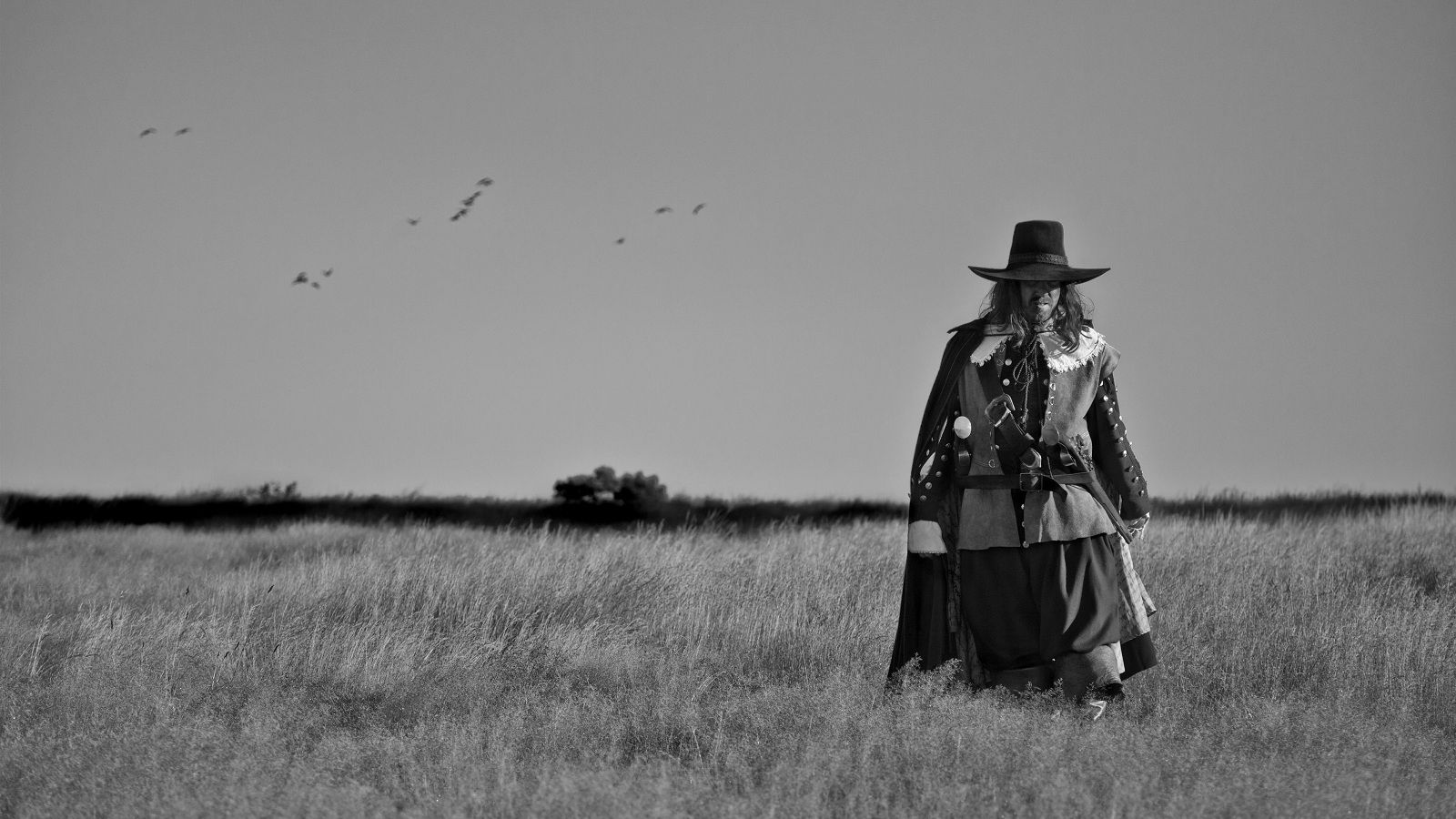
Ben Wheatley’s film is a reckless combination of period piece, war drama, broad comedy, psychedelic fever dream, and occult horror-scape.
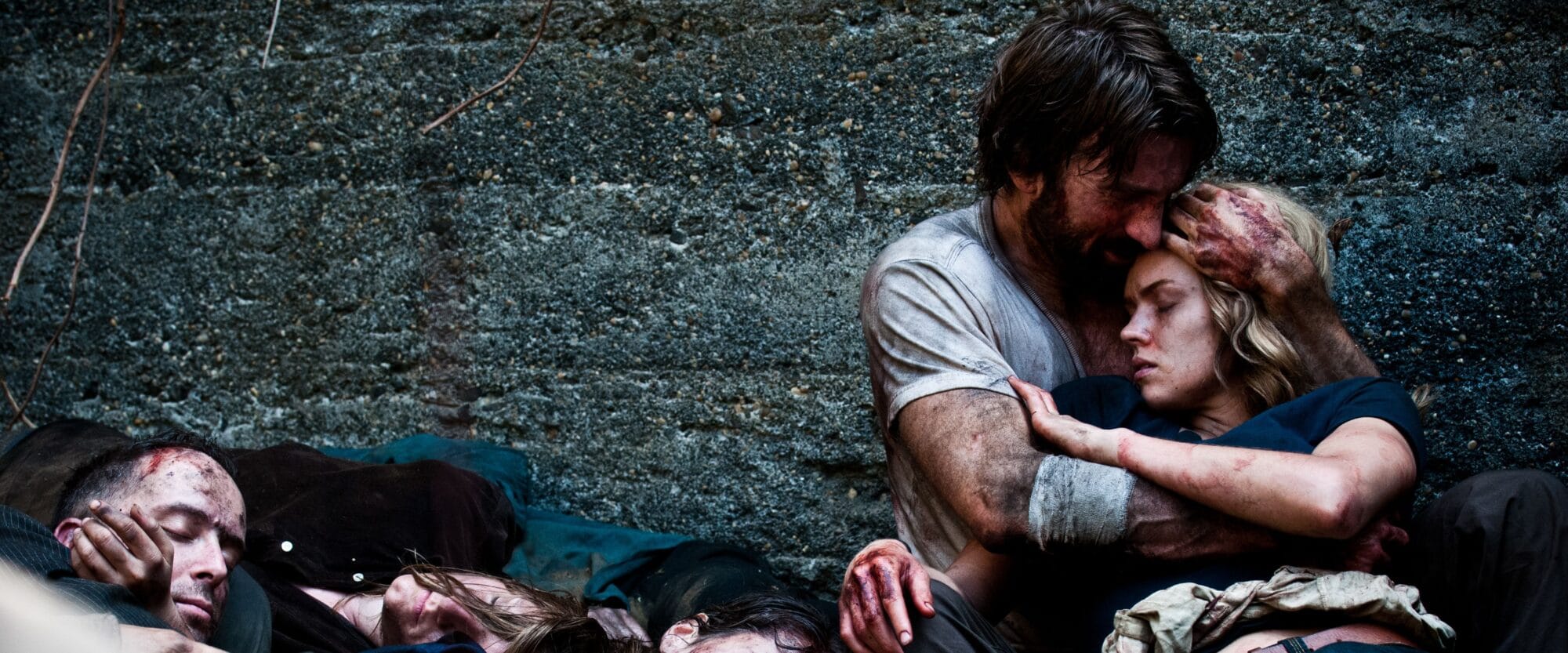
Individual moments linger, but Gonzalo López-Gallego’s film is merely a rough draft of a thriller.

What works about the film can largely be attributed to Tracy Letts’s original text.

The third and final film in Ulrich Seidl’s “Paradise” trilogy navigates a narrow space between tenderness and cruelty.

What’s dark and weird about Zach Clark’s film is also what’s tangible, authentic, and wise about it.
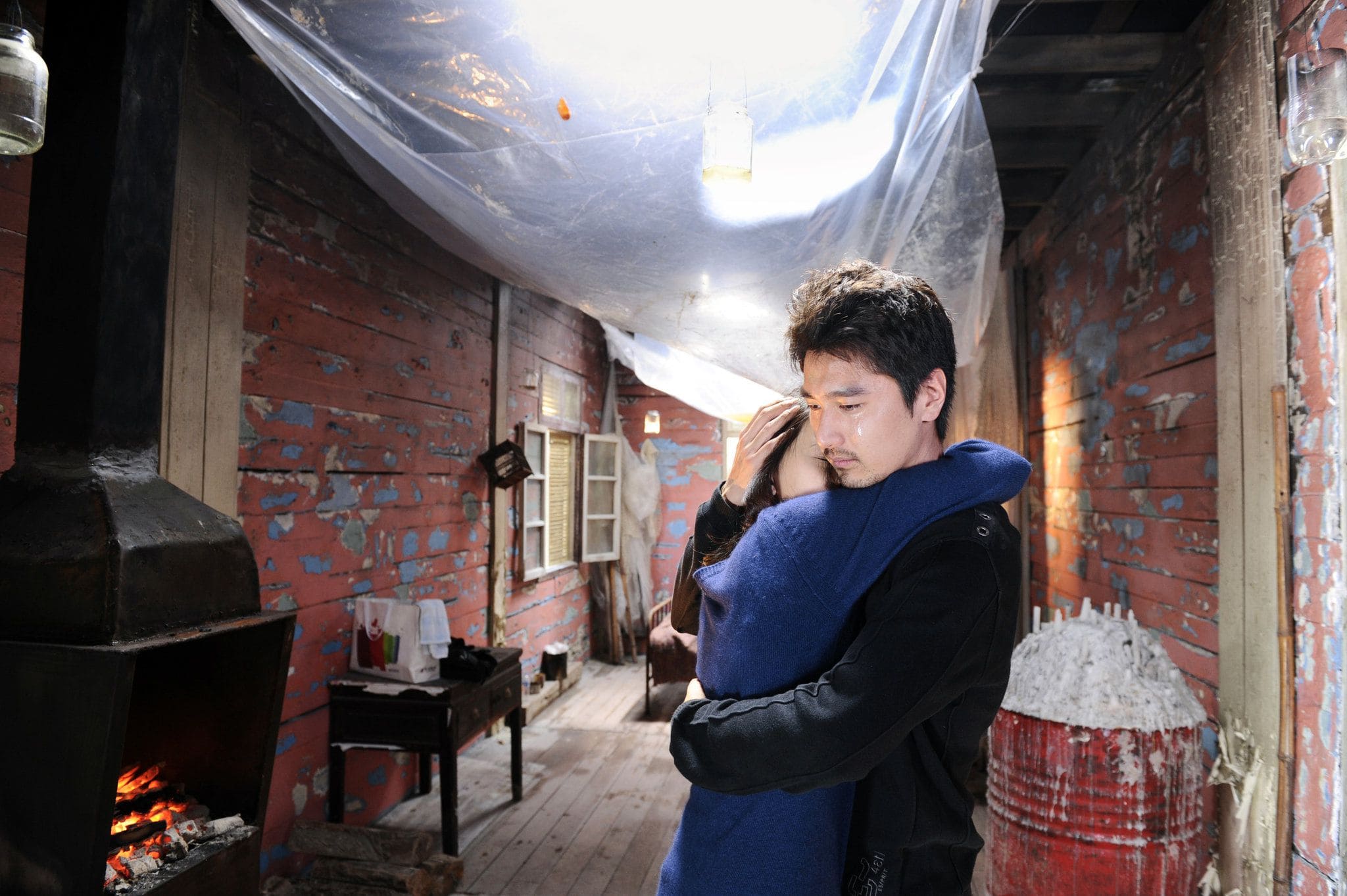
Chen Kaige’s film opts for didactic resolution instead of fully committing to the contradictions in identity and agency its main character embodies.

While the film charts its protagonist’s gradual progression toward a renewed sense of agency and freedom, it rarely indulges in lengthy or even linear narrative arcs.
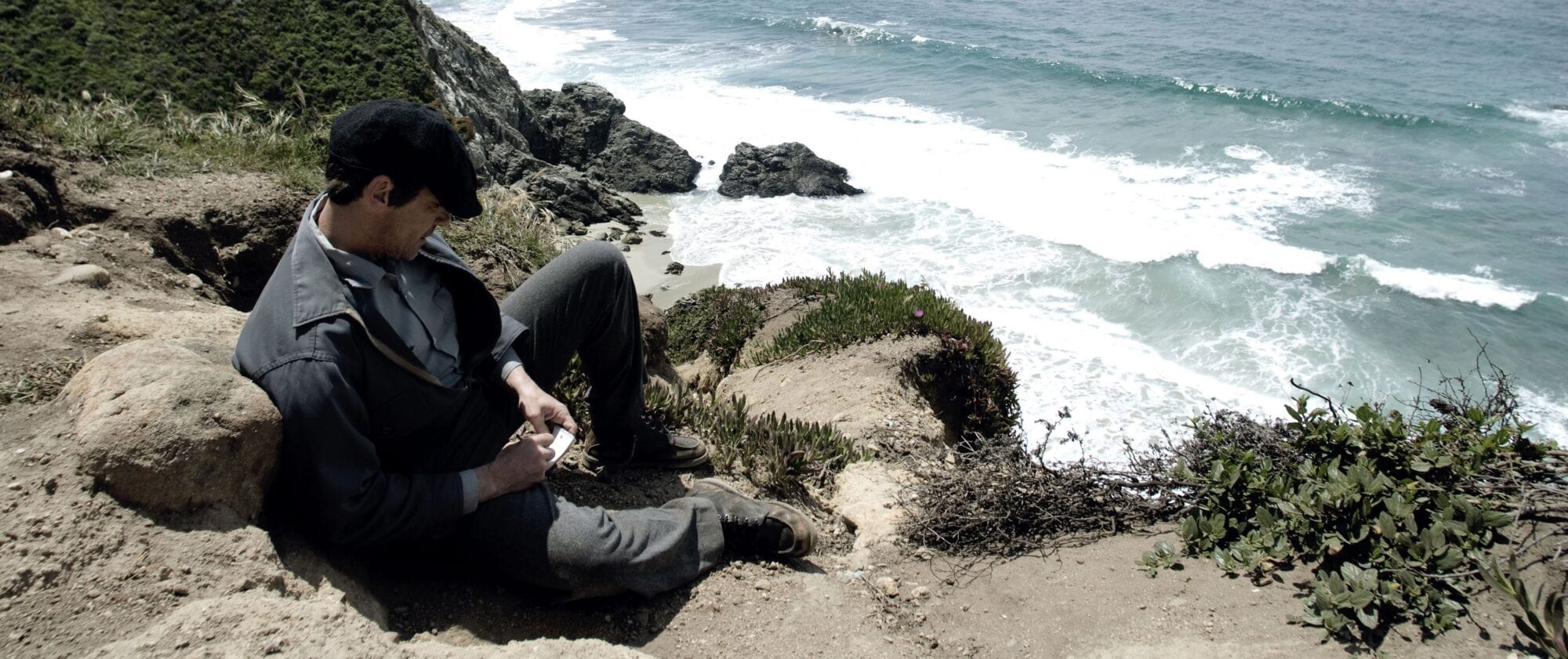
The viewer is informed of a world of chaos, obsession, and irresolution, but has no cinematic means of accessing or understanding it.