It fails both as a study of homoerotic undercurrents in fascist enclaves and as a contemporary portrait of machismo and the closet.



Bill Weber worked as a proofreader, copy editor, and production editor in the advertising and medical communications fields for over 30 years. His writing also appeared in Stylus Magazine.
It fails both as a study of homoerotic undercurrents in fascist enclaves and as a contemporary portrait of machismo and the closet.

Joe Winston’s documentary is maddeningly generic and without a central point.

Cold War spy games are seen through the prism of family stress in Christian Carion’s Farewell.

Reassembled and augmented to the nth degree, these discs are nirvana for Friends of Judy.

Kisses quickly falls into an abyss of cheap coming-of-age melodrama.
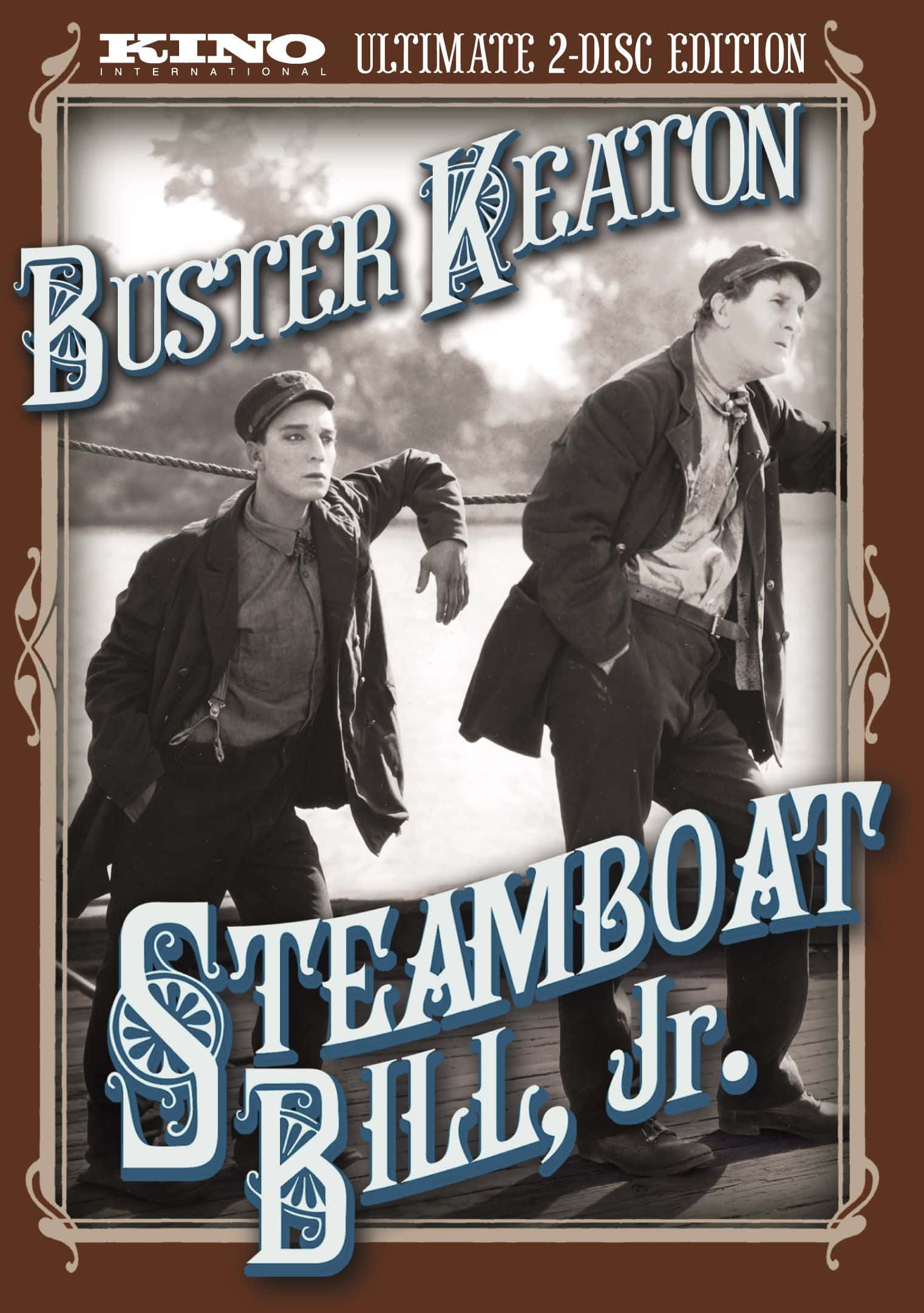
Against the wind and the death throes of silent comedy, Keaton stands tall.

Winnebago Man is a semi-touching reaffirmation that everybody’s in showbiz, or will enter it if summoned.

The spine of the film exposes the subject’s overweening ego, long-held personal grudges, and monumental paranoia.

The film hauntingly conflates a woman’s spiritual awakening with the birth of cinema.

The film is a report from the middle-American front of the battle for LGBT citizens to lead uncloseted lives.

Combative and tireless mobilization needs to be prioritized over licking our cultural and spiritual wounds.

The film is a portrait of the core of a nation in possibly permanent exile.

The film is a sharp, damning cry against societal indifference to the increasingly dire circumstances of India’s farmers.

Casey Affleck executes an uncondescending, chilling turn as the methodical, coal-hearted Lou Ford.

The debate over the evolution of the movies’ depiction of native peoples isn’t always on the mark.

Carol Dysinger’s documentary is clear-eyed and ultimately mournful.

The Lottery insufficiently dares a more probing documentary approach in addressing the crises surrounding inner-city education.

The film flounders in its sixth-century desert setting like one of its fallen, bleeding warriors.
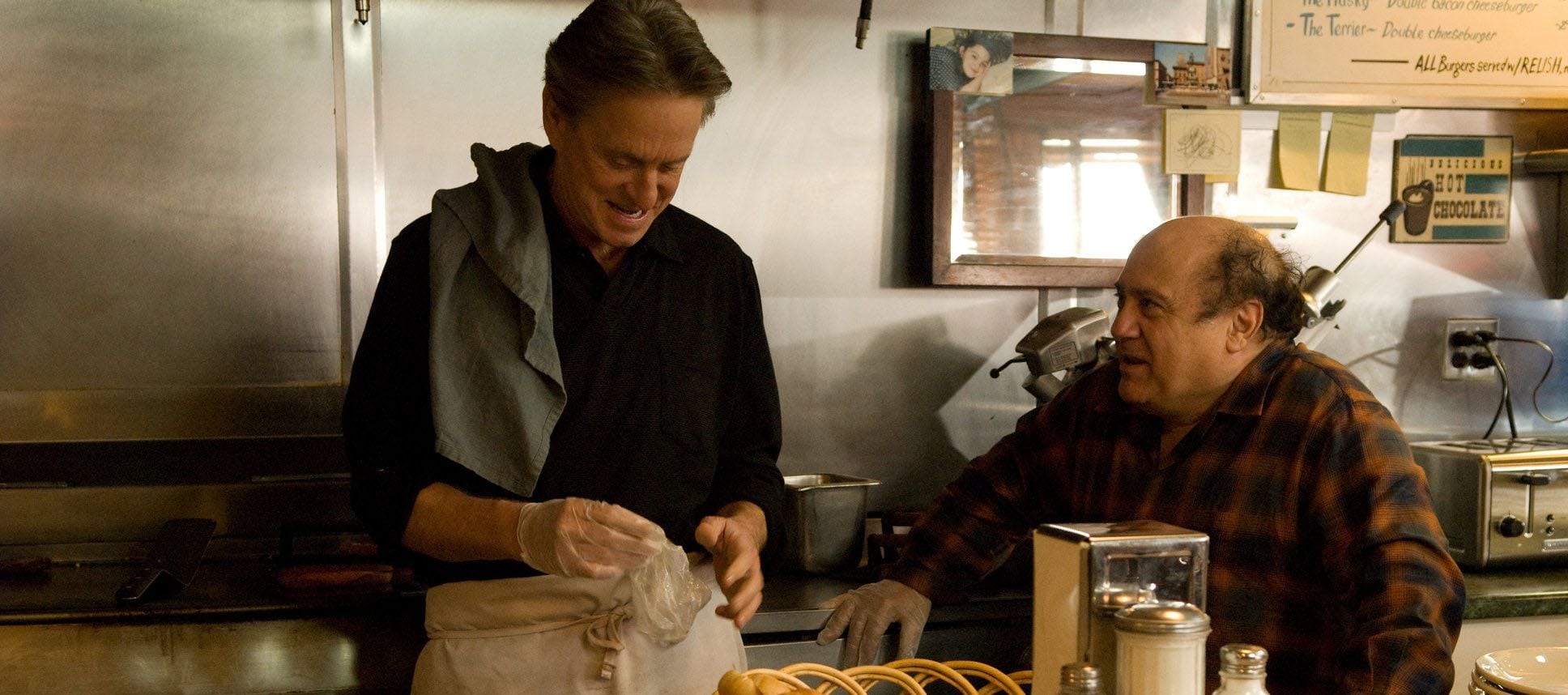
Michael Douglas’s star turn in the sour dramedy Solitary Man heralds the return of that era’s skeeviest big-screen persona.
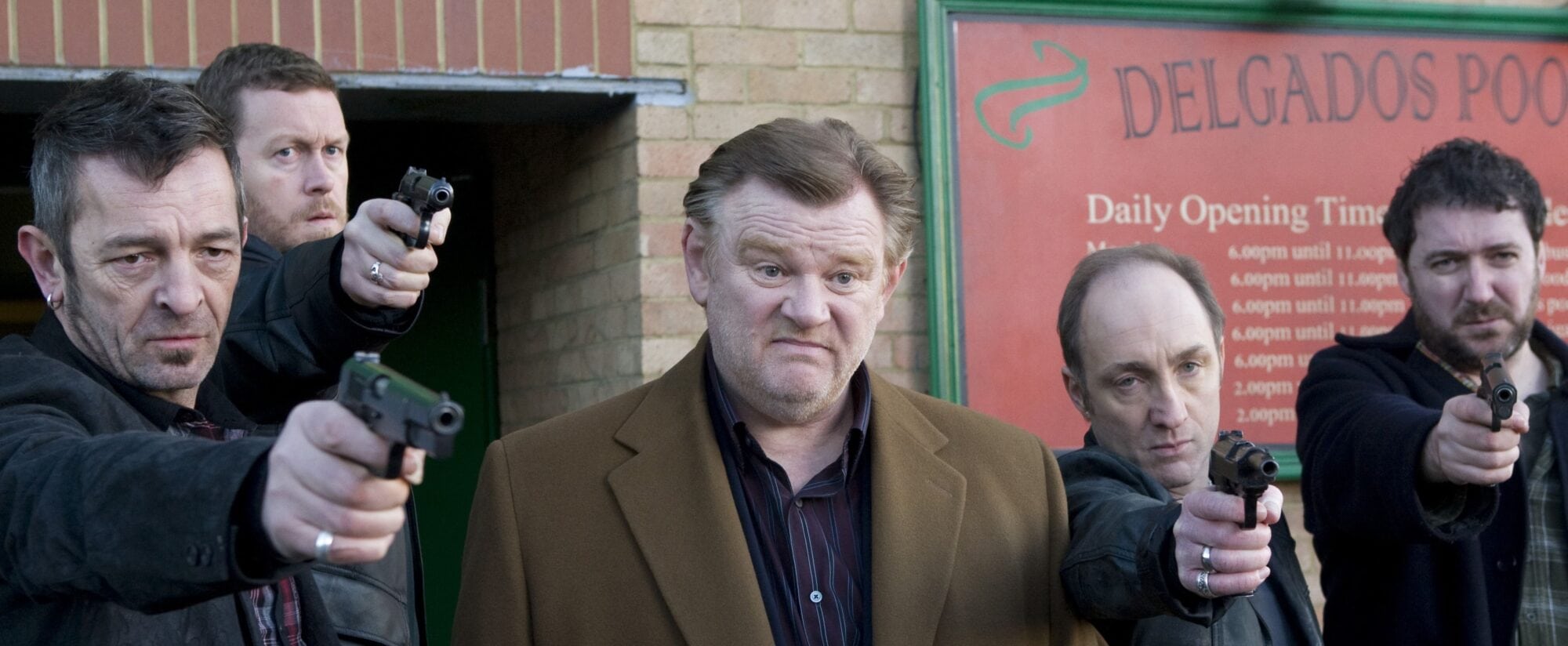
Jim Broadbent, perhaps the least celebrated of living Oscar-winning actors, frequently enlivens the labored Irish crime comedy Perrier’s Bounty.