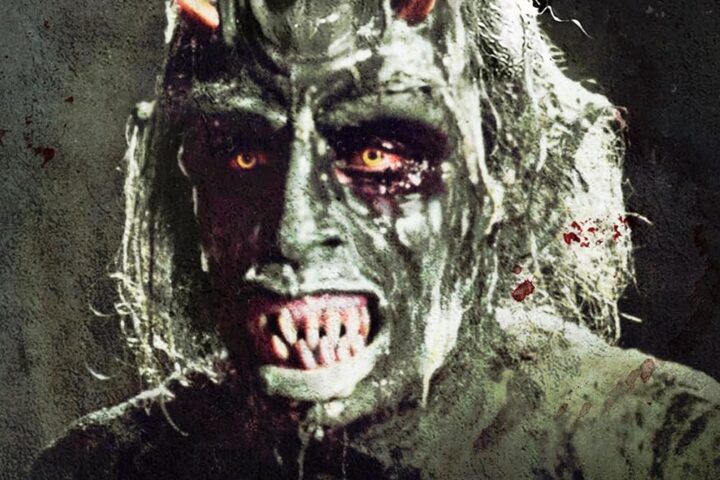
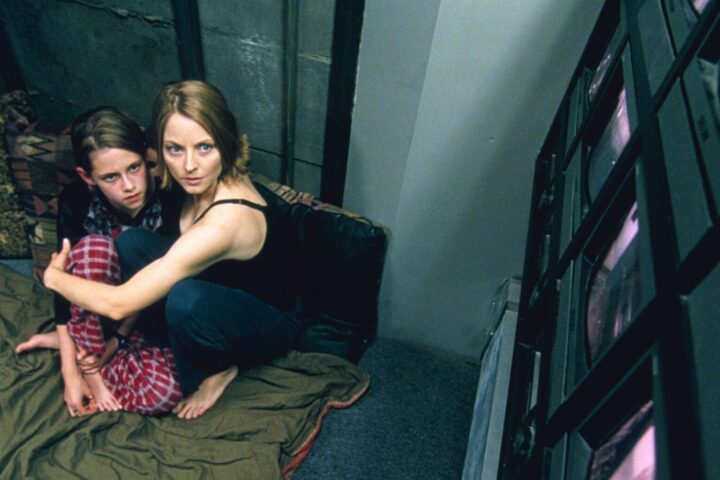
Dario Argento’s films are like stained glass windows ready to shatter and slice the unsuspecting spectator. He’s known for letting characters squirm within the confines of his fragile mise-en-scène. His violence is quick, intoxicating, and unbearably beautiful. He’s Mario Bava’s runaway acolyte, cut from the same giallo, quintessentially Italian mold, and though he’s been likened to Godard and Fassbinder, Hitchcock and Polanski are more apt points of comparison (his compositions are as spare as they are ornate, and the spells they cast are truly disquieting). But where Bava’s libertine horror chambers were loosely and skittishly scared by the director’s fetishistic lashings, Argento’s gialli are considerably more mannered. His mysteries are psychological puzzles oft-sprayed with grotesque neon blood.
Argento was born four days before Brian De Palma on September 11, 1940. Both are relentless fetishists although it’s difficult to imagine De Palma’s glorious and fiendish magpie cinema existing without Argento’s own. Body Double, Dressed to Kill, and Raising Cain probably wouldn’t exist without Argento’s Tenebre, but while De Palma’s clout continues to grow among cinephiles, Argento remains a shamelessly underground figure. His horror extravaganzas are far from postmodern, doubly damned by their dubbing woes, and so he remains elusive. The maestro has touched some and been humbly spoofed by others (few, though, would be able to spot the shout-outs): Takeshi Miike, John Woo, David Fincher, Luigi Cozzi, Michele Soavi, Wes Craven, Cindy Sherman, Sam Raimi, Lamberto Bava, and so on.
With the exception of 2009’s Giallo and 1973’s The Five Days in Milan, a comic peculiarity in Argento’s career, all of his films have been reviewed on Slant Magazine. Fans can read though with ease. Those new to Argento, though, should proceed with caution, because half the fun of an Argento puzzle is assembling its gloriously colorful pieces.
You have been reading a Dario Argento feature.
1970s
The Bird with the Crystal Plumage
Cat O’ Nine Tails
Four Flies on Grey Velvet
Deep Red
Suspiria
1980s
Inferno
Tenebre
Phenomena
Opera
1990s
The Black Cat
Trauma
The Stendhal Syndrome
The Phantom of the Opera
2000s
Sleepless
The Card Player
Jenifer
Do You Like Hitchcock?
Pelts
2010s
2020s
Since 2001, we've brought you uncompromising, candid takes on the world of film, music, television, video games, theater, and more. Independently owned and operated publications like Slant have been hit hard in recent years, but we’re committed to keeping our content free and accessible—meaning no paywalls or fees.
If you like what we do, please consider subscribing to our Patreon or making a donation.