A somewhat disappointing package of a truly lovely film.



Dan Callahan’s books include The Camera Lies: Acting for Hitchcock , Barbara Stanwyck: The Miracle Woman, and Vanessa: The Life of Vanessa Redgrave. He has written about film for Sight & Sound, Film Comment, Nylon, The Village Voice, and more.
A somewhat disappointing package of a truly lovely film.

Max Ophüls is a true romantic, and he covers a huge range of male and female types in La Ronde.

David Lean did nausea well, or a sudden burst of madness, but he is most stimulated by the theme of sexual repression.
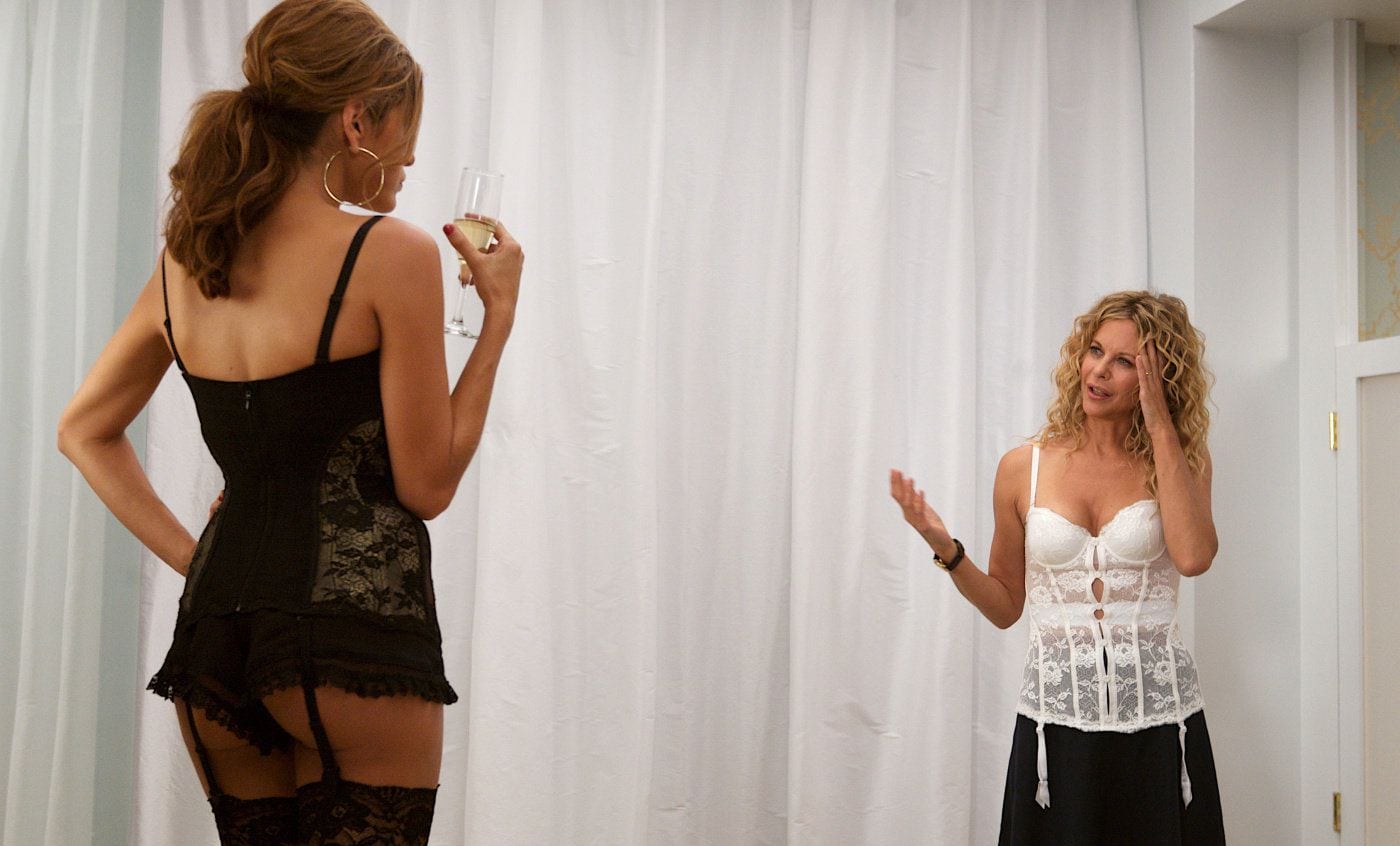
George Cukor would have made us side with Eva Mendes and exposed Meg Ryan’s blather for what it is: over-privileged white noise.
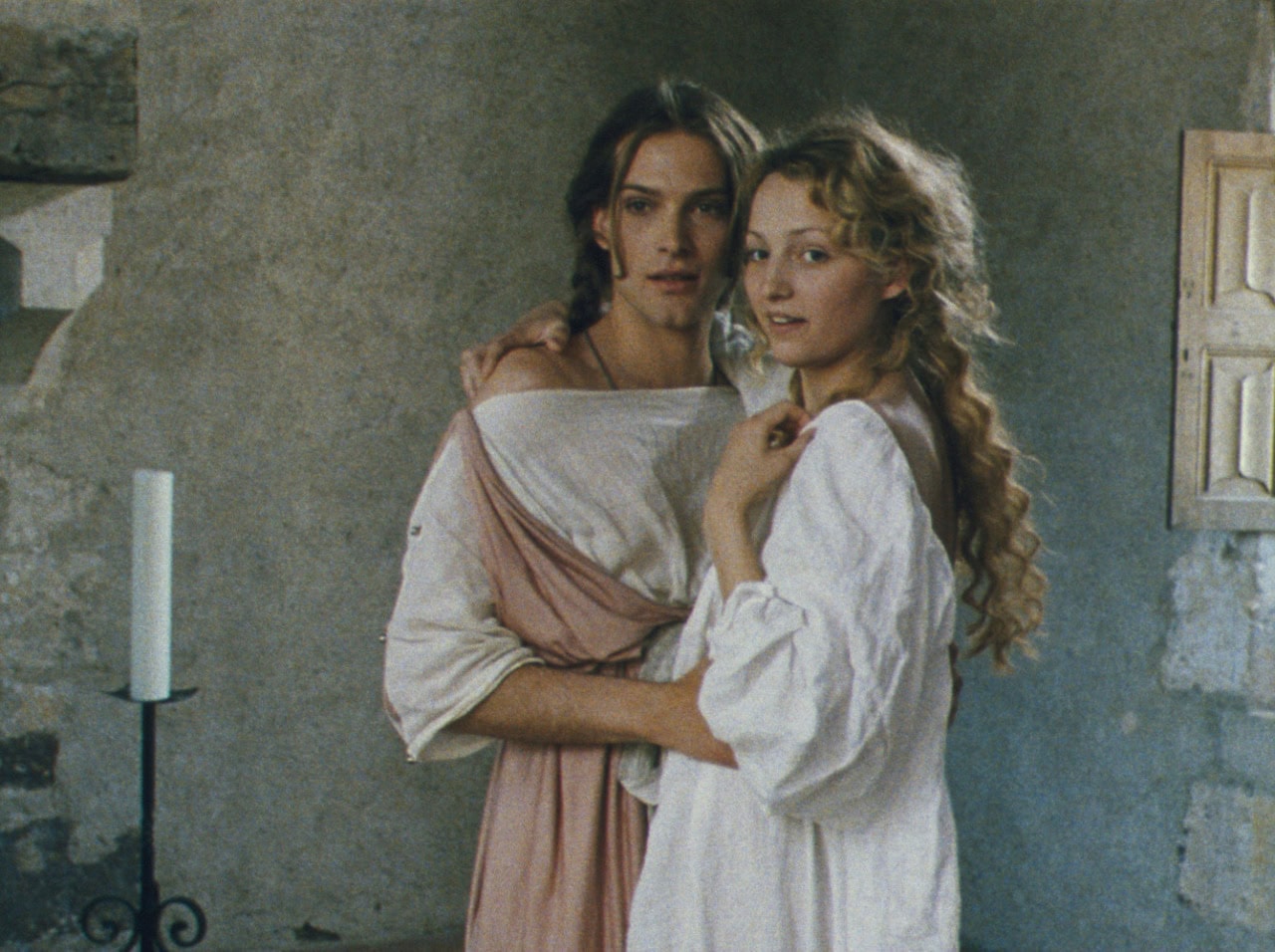
Rohmer has said that The Romance of Astrea and Celadon is probably his swan song, and he’s not pulling any punches here.

The great jazz singer Anita O’Day operated in some far-out be-bop realm of her own.

Almost all of Bancroft’s best work can be found in the handful of films she made in the ’60s.
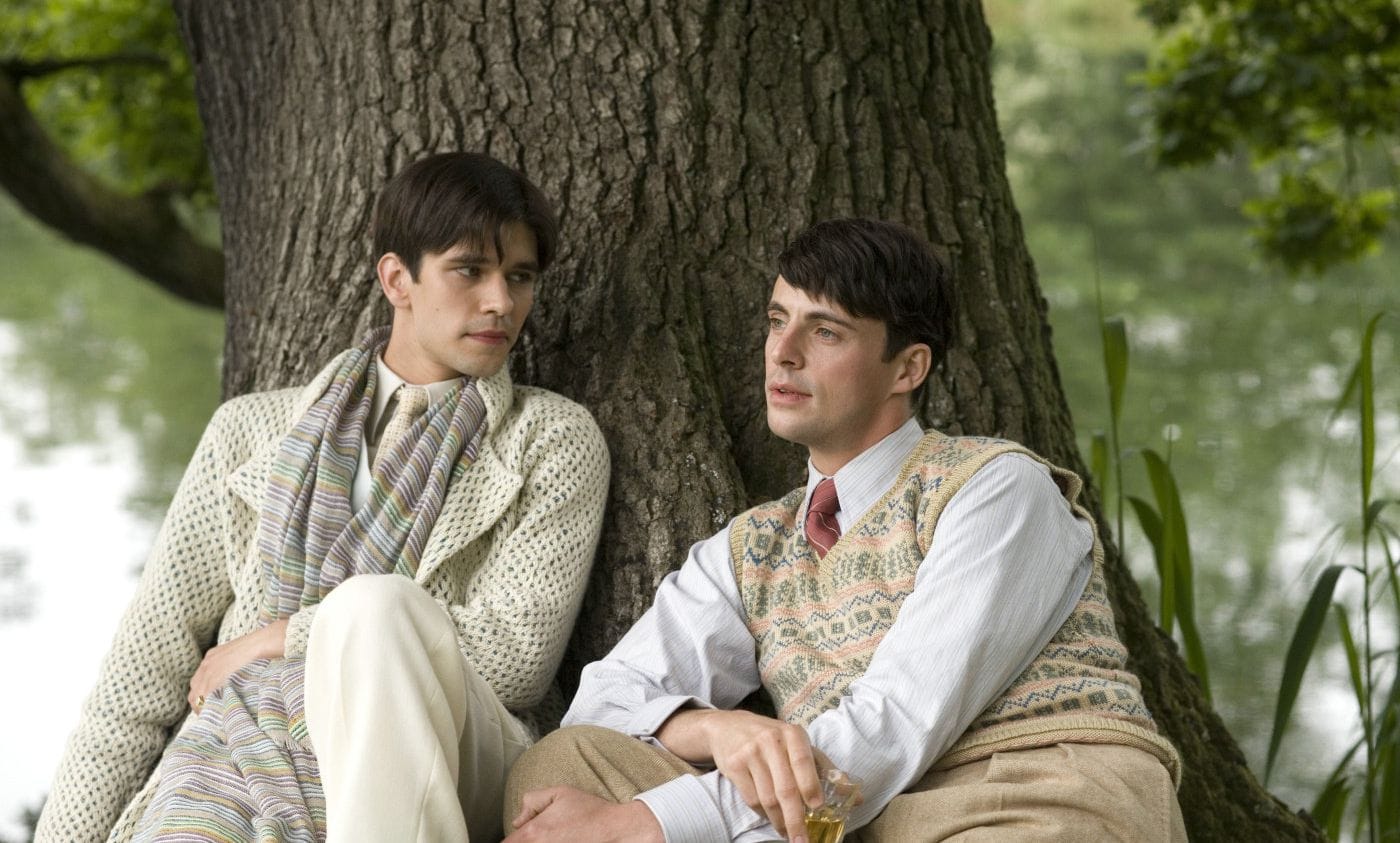
This new Brideshead Revisited adaptation takes a step in the right direction.

This film version of Mamma Mia! is such a full-scale disaster in every way that it’s hard to know what has held theatergoers’ attention for so long.

More than a fine and under-used actor, Ayres was an exceptional person, a model pacifist in a world that still cannot conceive of such an option.

All in all, this is one of the essential DVD releases of the year.
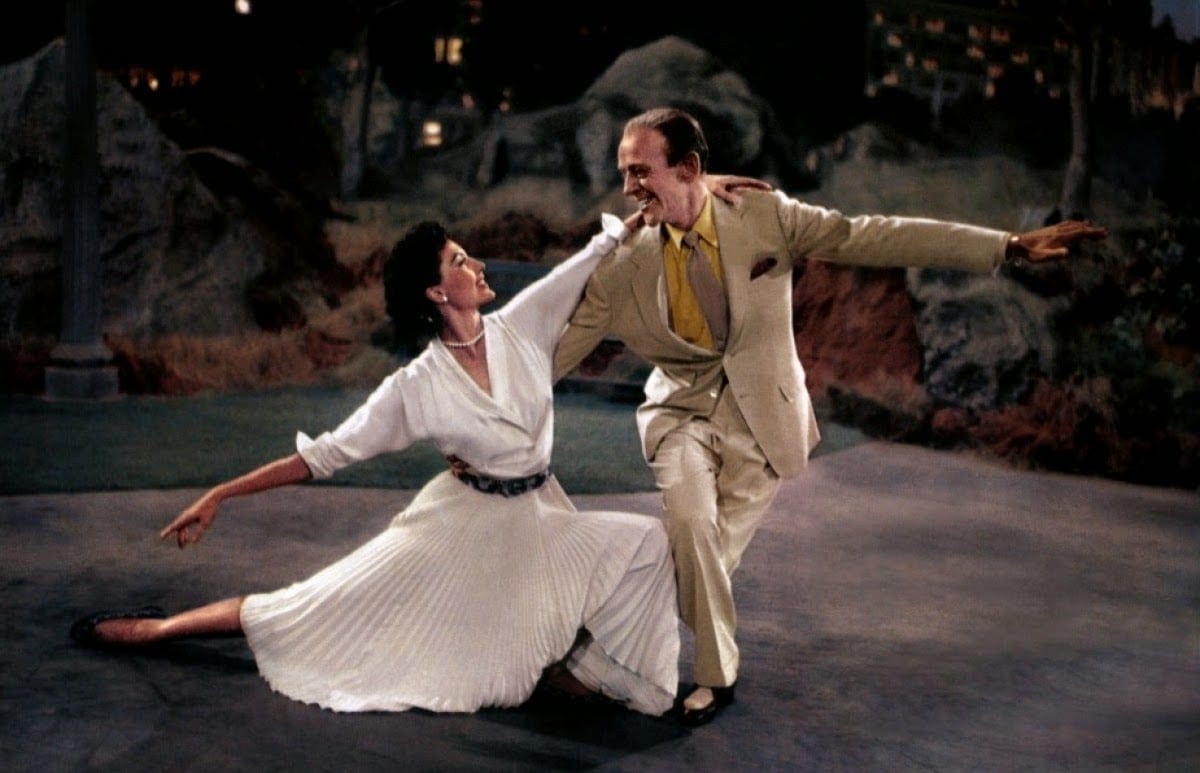
It’s often been said that Cyd Charisse was the greatest female movie dancer.
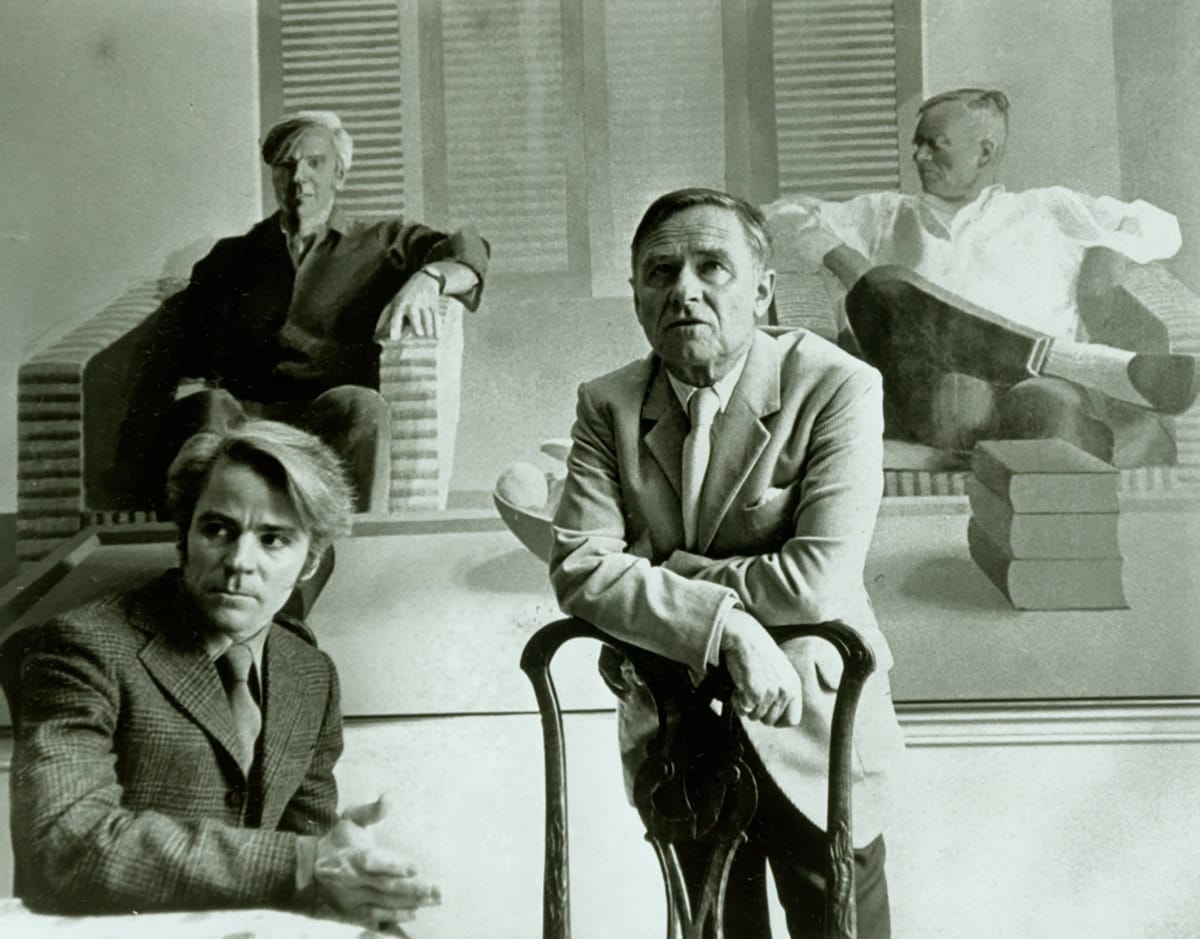
The true test of physical beauty in a man or a woman lies in their eyes and what happens to their eyes as they advance in age.
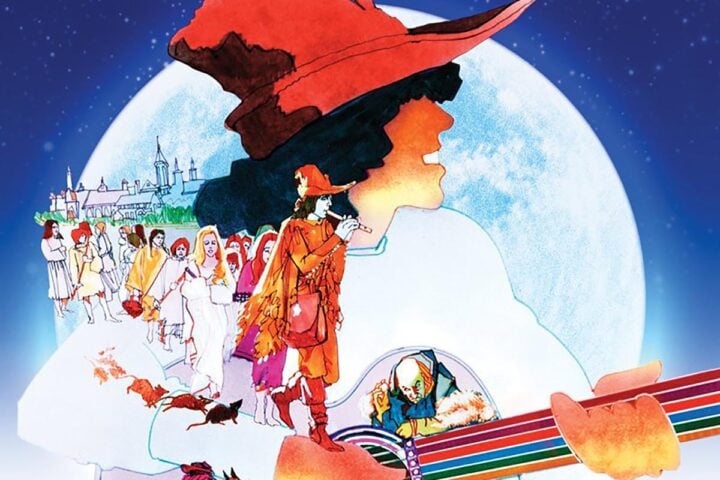
Only for Jacques Demy completists, and the stray Donovan devotee.

Jacques Demy’s film is as distanced and uncertain as The Young Girls of Rochefort is ecstatically sure of itself.

The best reason to attend this festival is the resurrection of Gone to Earth.
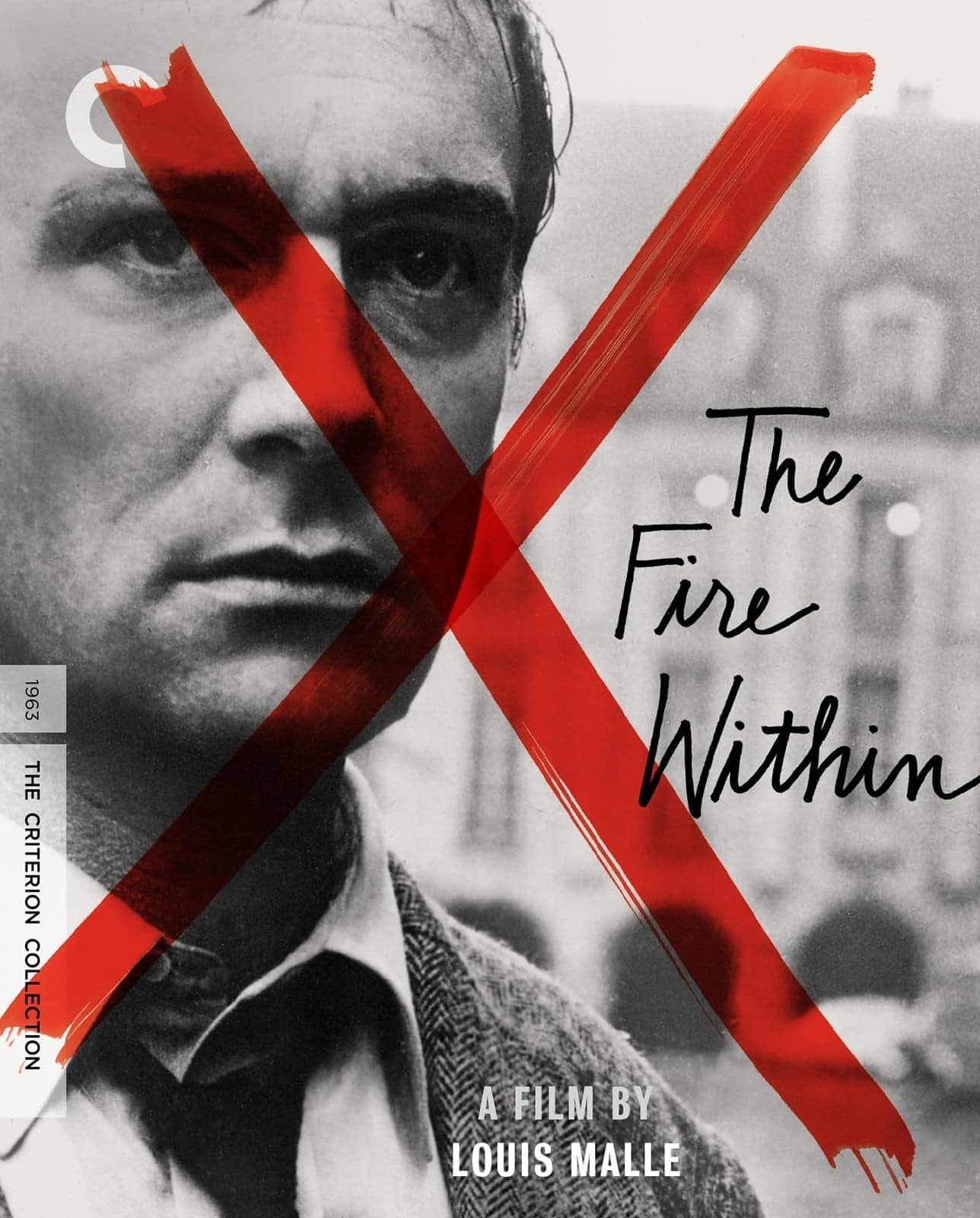
A heartfelt but unsuccessful film that could have been much better with a more variegated point of view.

The main character’s gloomy self-contempt is undoubtedly realistic, but it becomes increasingly tiresome as the film goes on.
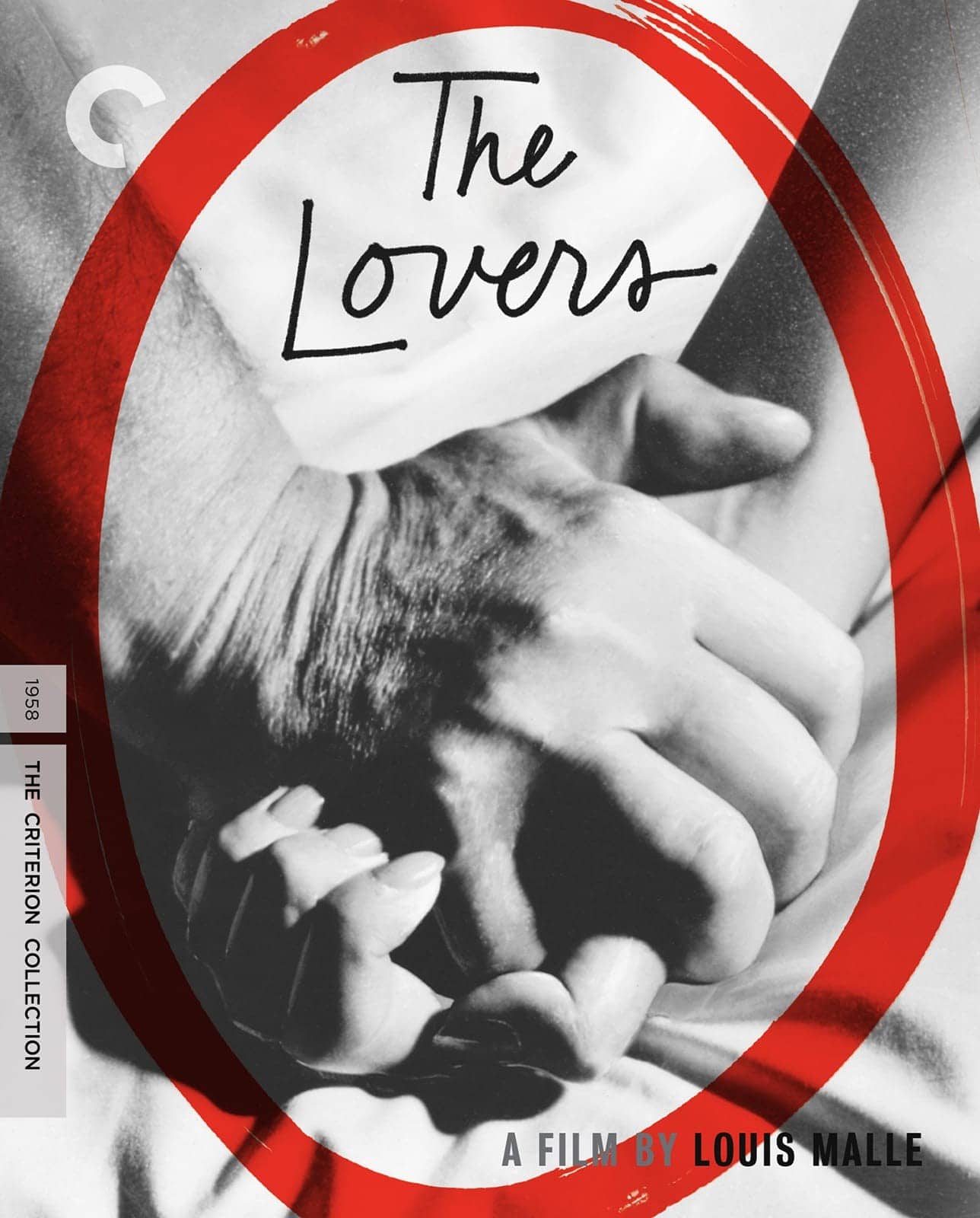
This is Jeanne Moreau at her “If it feels good, do it” best.

The film inaugurated Jean Moreau’s extraordinary run of ’60s art films in high style.