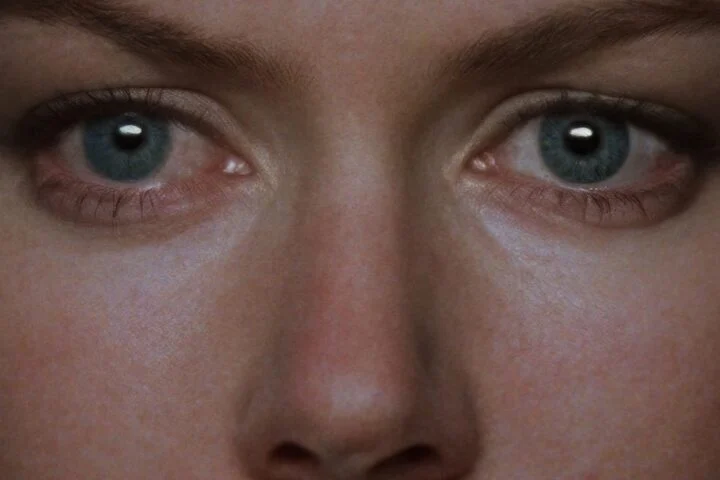
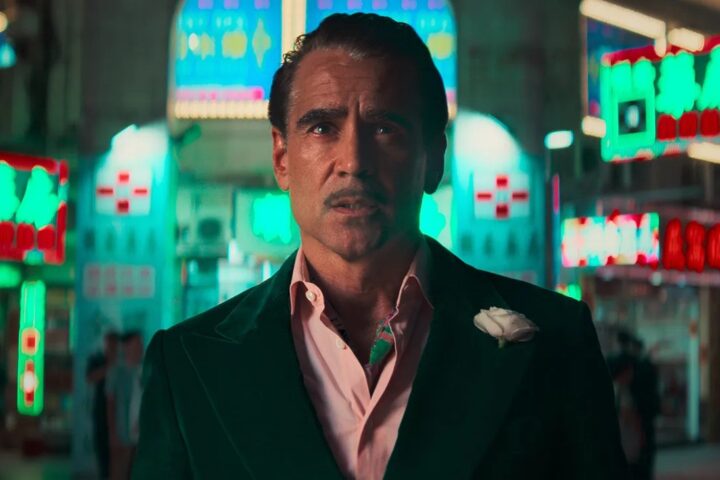
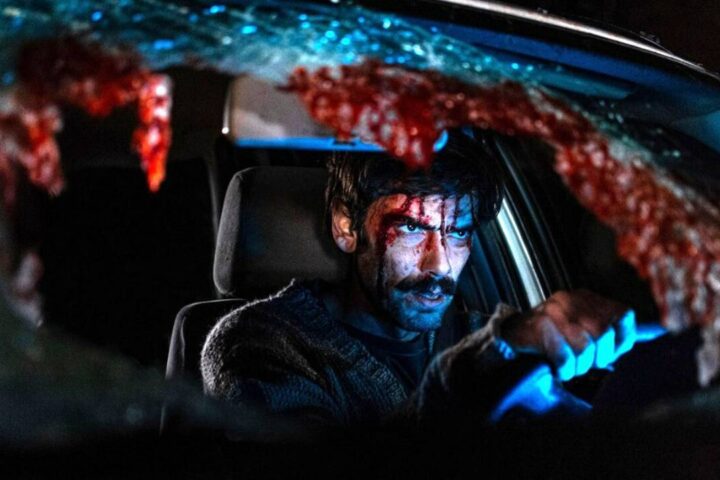
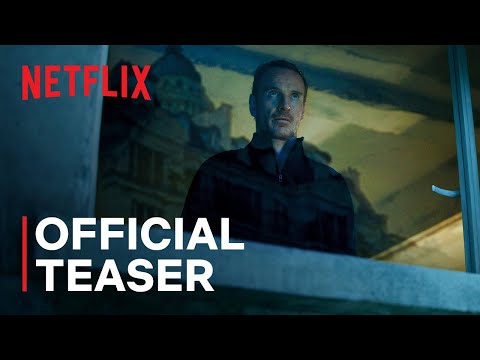
Operating in a similarly pulpy register to The Girl with the Dragon Tattoo and Gone Girl, The Killer is probably David Fincher’s most lightweight literary adaptation to date. Based on the French graphic novel series of the same name, this comparatively barebones action thriller has none of the social commentary or pop psychology that color those earlier films and their page-turning source material, instead following a titular, unnamed hitman (Michael Fassbender) and his efforts to cover his tracks after a botched contract turns him and his girlfriend (Sophie Charlotte) into the new targets of his paymasters.
An extended opening sequence set in Paris lays out the assassin’s stoic professionalism and pragmatic code of ethics via his ever-present voiceover, piling up pithy existentialist soundbites and hard-boiled, blackly comic clichés in a way that veers close to self-parody. The killer also regularly plays various tracks from the Smiths’s back catalog, including “I Know It’s Over” and “Bigmouth Strikes Again,” in order to focus his mind, a touch that initially feels grating in its attempt to force some sense of idiosyncrasy and character into the proceedings.
But as the assassin’s carefully laid plans unravel and he’s forced to jet to his luxurious and remote hideout in the Dominican Republic before detouring to New Orleans, Chicago, and a few other settings across America that are sketched in somewhat broad strokes by Fincher and writer Andrew Kevin Walker, the film’s detachment from verisimilitude becomes progressively less jarring and its worn-out tropes and polished superficiality begin to work in its favor.
Throughout, Fincher’s careful pacing and austere attention to detail are used to emphasize the unreality of The Killer’s story, its absurdist tone proving an ideal counterpoint to the tightly wound tension that’s heightened as ever by Trent Reznor and Atticus Ross’s throbbing score. It’s a masterful balancing act, as the director dabbles in the pleasures of genre without ever allowing this outlandish scenario to be treated with more respect than it deserves.
A case in point is the frenetic close-quarters brawl between the hitman and a less reputable hired goon (Sala Baker), which is the longest pure action scene in Fincher’s entire oeuvre. As the pair pursue each other around a Florida condo and clash with fists, kicks, and improvised weapons, the action’s satisfying tactility is vaguely reminiscent of similar fight scenes in Paul Greengrass’s Bourne, but pushed to almost cartoonish levels of dynamism and brutality.
Another scene in an office block elevator is an even more effective example of the film’s regular see-sawing between tones. Disguised as a porter, Fassbender’s character is asked jokingly by an unwitting passenger if he has a dead body inside the dumpster that he’s transporting (he does), eliciting nervous laughter from the terrified hostage he has in tow. Fincher’s often-underrated sense of humor is on full display here, his meticulous production design becoming a reliable source of amusing sight gags. The ostentatious WeWork branding on the building initially used as a hideout by the hitman feels pleasantly snarky, while an iconic logo on a T-shirt worn by one of his targets late in the film pushes the metatextual silliness close to the point of no return.
Fincher is sometimes accused of a smug misanthropy, as his obsessive fascination with procedure, behavior, and psychology can suggest an unfeeling smirk or a weary shake of the head at the human condition. Though The Killer does touch on some weighty themes related to death and fate, particularly in its most lyrical scene where Fassbender’s character has a snowbound showdown with a glamorous, nihilistic fellow assassin (Tilda Swinton), the film’s relatively slight, linear narrative seems to have permitted the director to cease his investigations for a little while. His calculating approach is instead applied in service of a straightforwardly entertaining film for the first time, and while it might not offer much in the way of originality or depth, it’s undeniably effective and refreshingly unafraid to embrace its own shallowness.
Since 2001, we've brought you uncompromising, candid takes on the world of film, music, television, video games, theater, and more. Independently owned and operated publications like Slant have been hit hard in recent years, but we’re committed to keeping our content free and accessible—meaning no paywalls or fees.
If you like what we do, please consider subscribing to our Patreon or making a donation.