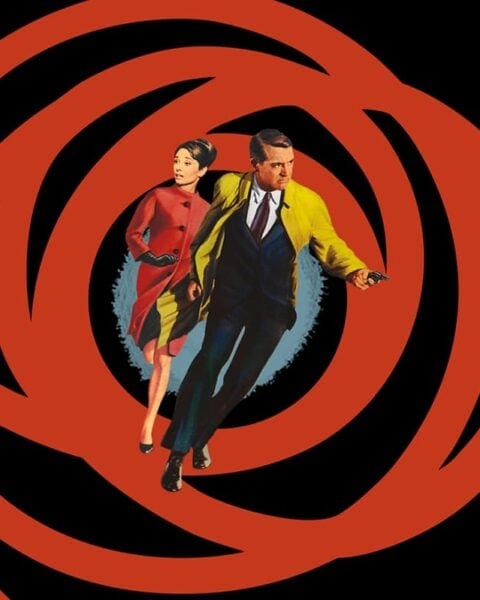
The film continues to guide directors looking to illuminate American anxiety.
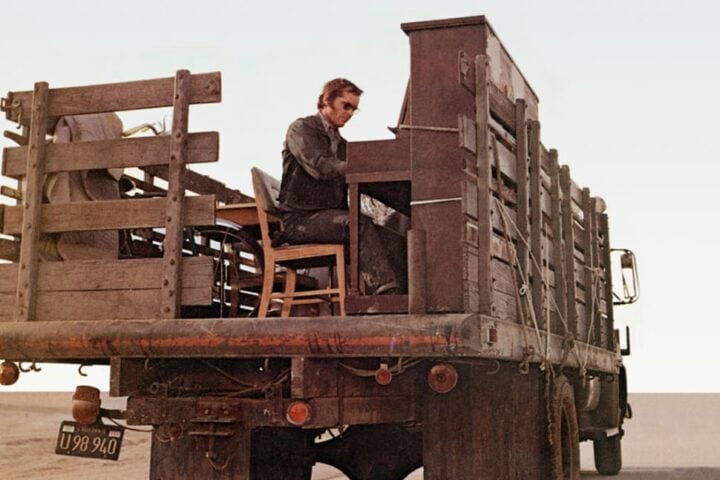

The film continues to guide directors looking to illuminate American anxiety.

Even as its lens widens, the film remains relentlessly rooted in its main character’s subjectivity.

The Delta feels almost surreal in its lack of sexual generalization.

Trip to Bangkok and Bangkok, Date with Death are sardonic riffs on espionage thrillers.

De Palma’s acidic satire of mass commodification from 1970 is his first triumph.

Gritty and downbeat, Fosse’s biopic is also riveting to behold in its monochromatic glory.

This release, sourced from a 4K restoration, leaves the old Blu-ray presentation in the dust.

Cheang’s 1994 feature-length directorial debut is as forceful as its title implies.

Body Heat is a remarkable example of pouring new wine in old bottles.

Trier’s gentle, reflective family dramedy comes to home video with a flawless transfer.

Kurosawa’s early 1949 triumph looks better than ever on Criterion’s UHD release.

Death looms large over Visconti’s penultimate film.

It’s that rare beast: a rollicking action film with a subversive political agenda.

The film understands that the truly wild movies are casual about their wildness.
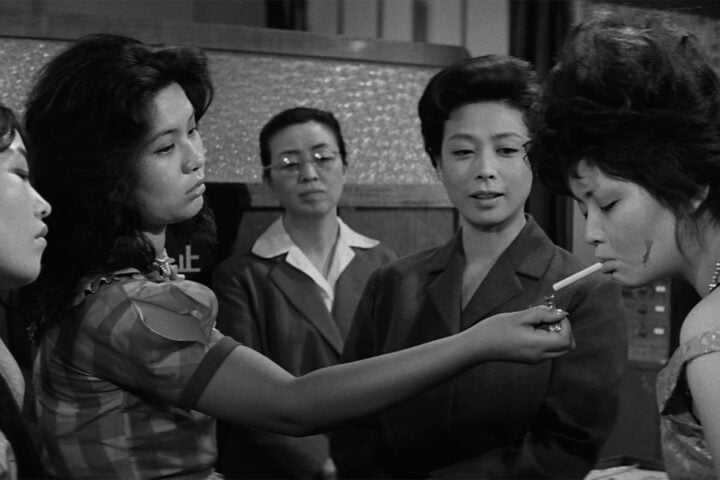
Tanaka’s directorial efforts focus on complicated women and the myriad issues that affect them.

Kino gives Mann’s grim depiction of frontier greed a stellar reissue.